-
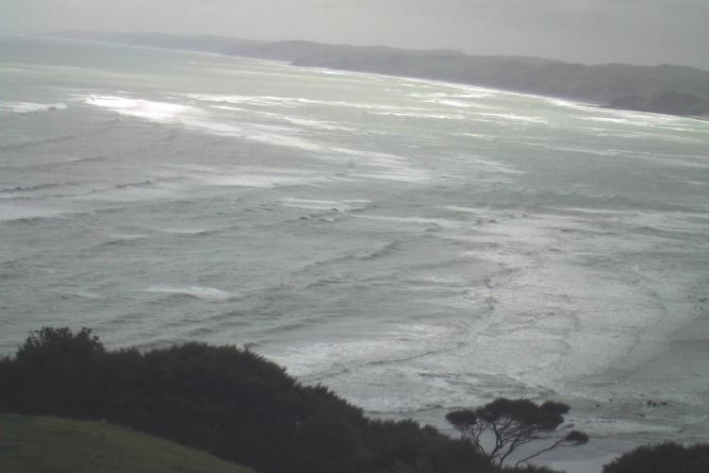
Raglan A
This web camera is available thanks to the support of Waikato Regional Council. -

Obtaining climate data from NIWA
NIWA maintains the national climate database for New Zealand, and can supply data in a variety of ways. -
The Intergovernmental Panel on Climate Change (IPCC)
Education ResourceThe Intergovernmental Panel on Climate Change (IPCC) is charged with assessing the most up to date scientific, technical and socio-economic research on climate change. -
NIWA staff profile: Nava Fedaeff
Feature story06 June 2017At the age of seven, NIWA’s youngest climate scientist, Nava Fedaeff, swapped sub-arctic Siberia for balmy Auckland – and her first job was to learn to swim. -
Cropping activities
The land used to produce crops is usually flat to gently rolling so it can be tilled, sowed, and harvested. -
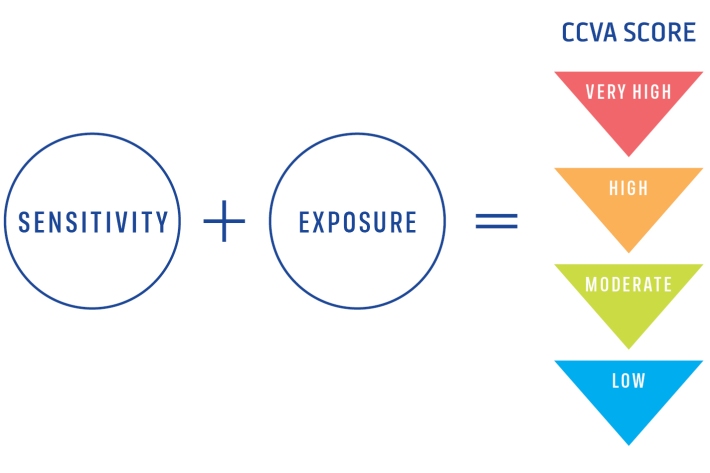
Climate Change Vulnerability Assessment (CCVA)
ServiceTo prepare for changes in climate, our freshwater and oceans decision-makers need information on species vulnerability to climate change. -
Sediment and forestry
How may forestry activities increase sediments in waterways? -
Climate stations and instruments
We can supply a wide range of weather or climate monitoring instruments from single parameter sensors to fully equipped and installed climate stations. -
Tuna - commercial fisheries
Commercial eel fishery in New Zealand began in earnest in the 1960s and expanded rapidly until the early 1970s -
Our management
NIWA is managed by an Executive Team reporting to the Chief Executive Officer. Science and operational matters are handled by two sub-groups. -
Banded kōkopu
Banded kōkopu juveniles are very good climbers and will try to escape from buckets by clinging to and wriggling up the sides. -
Mining activities
A range of different mining techniques have been developed to obtain these valuable resources