-

LakeSPI: Keeping tabs on lake health
Software Tool/ResourceThe condition of many NZ lakes is under threat from land-use changes and the invasion of alien aquatic plants. -

Mean 10cm earth temperature (°C)
These datasets are available in a range of formats. -
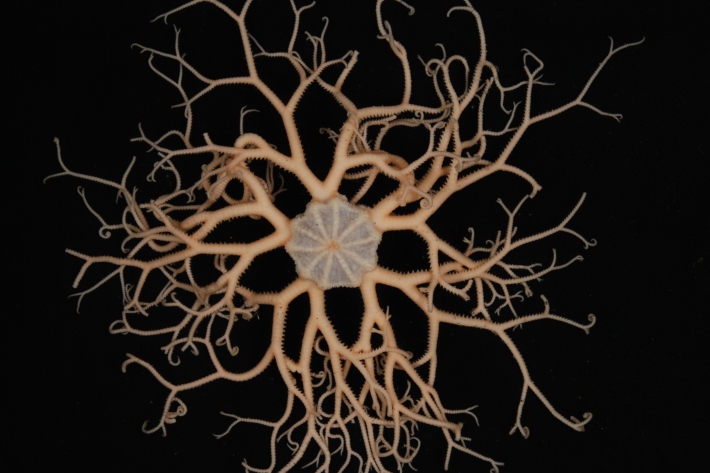
Critter of the Week: The Gorgon’s Head - Gorgonocephalus
A basket star was the first reported animal trawled up from the deep sea back in the early 1800s so they have a spot in the history books of deep ocean exploration. -
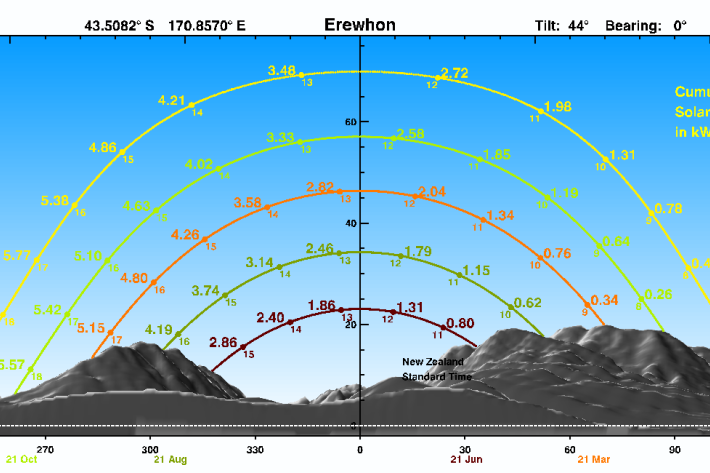
SolarView example
An illustrated example, showing how to input data and interpret SolarView results. -
Kākahi
The kākahi or freshwater mussel was a valuable mahinga kai resource for many Māori. -

Freshwater fish species list
A list all of New Zealand's freshwater fish species. -
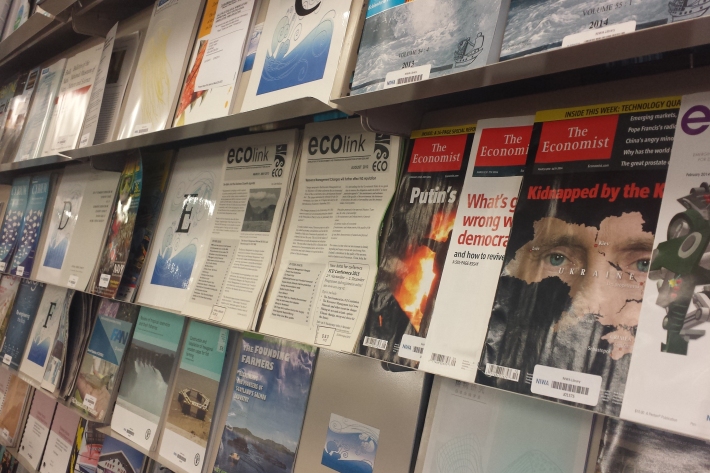
Library
ServiceThe NIWA library collection contains items in a range of formats, covering subjects including atmospheric and climate research, aquaculture, oceanography, fisheries and marine sciences. -
Mean monthly sunshine (hours)
These datasets are available in a range of formats. -
Map E North
Education ResourceSheltered by high country to the west, the eastern zone of the North Island enjoys a dry, sunny climate. -
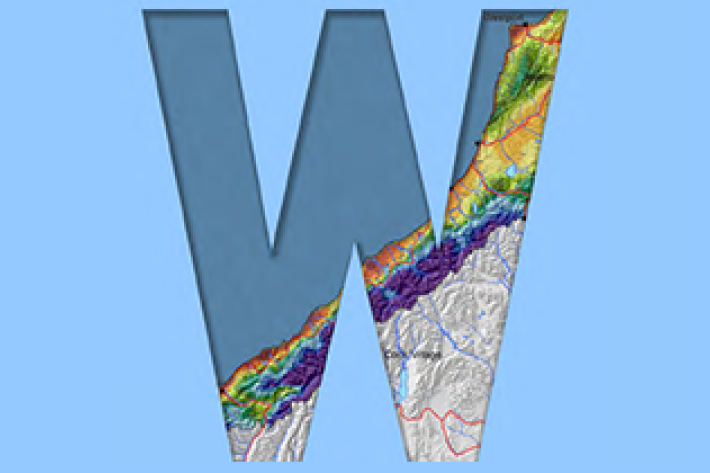
West Coast
West Coast is New Zealand’s wettest region, and this may be attributed to its exposure to the predominant westerly airflow over the country, combined with the orographic effect of the Southern Alps. -
Droughts
Generally speaking, a drought is defined as a rainfall deficit which restricts or prevents a human activity – for example, farming or power generation. -
How do we determine past climate?
Information about past climate is obtained from piecing evidence together from various sources.