-
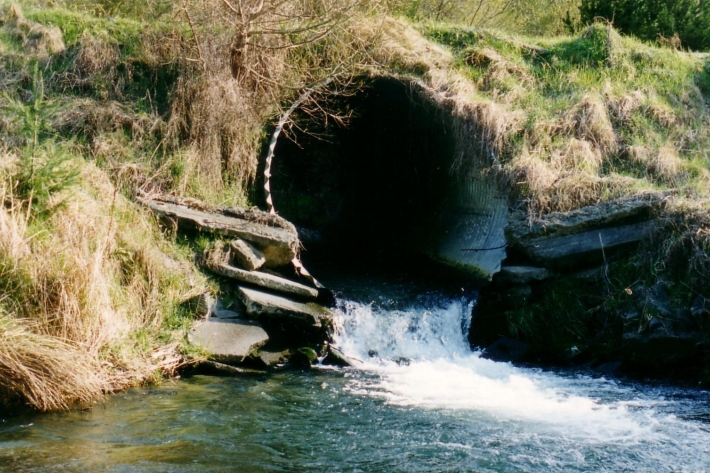
Water diversion
Diverting water away from its natural channel for commercial or private use. -

Sediment and urbanisation
How does urbanisation increase sediments in waterways? -
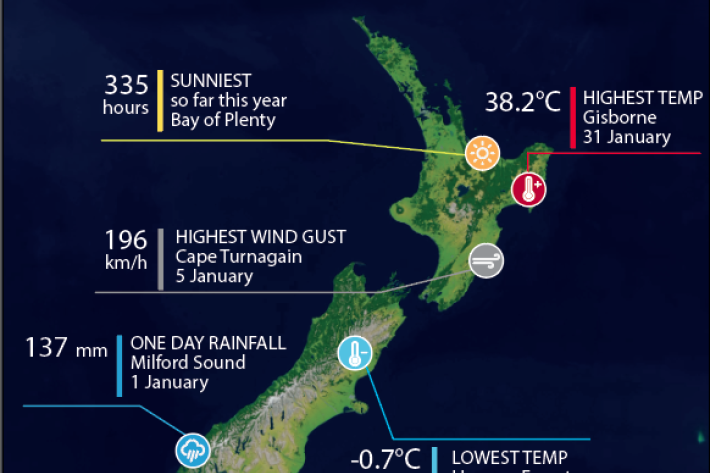
Climate data and activities
We provide an overview of New Zealand climate data for use in school projects. -
Electronic Weather Station - NIWA EWS
These gather top-quality data and are used throughout New Zealand in the National Climate Network. -
Biological limitations
Identifying biological factors that may be limiting fish numbers requires sampling to ensure that key invertebrate prey species are not scarce and that pest fish, especially predators, are not abundant. -
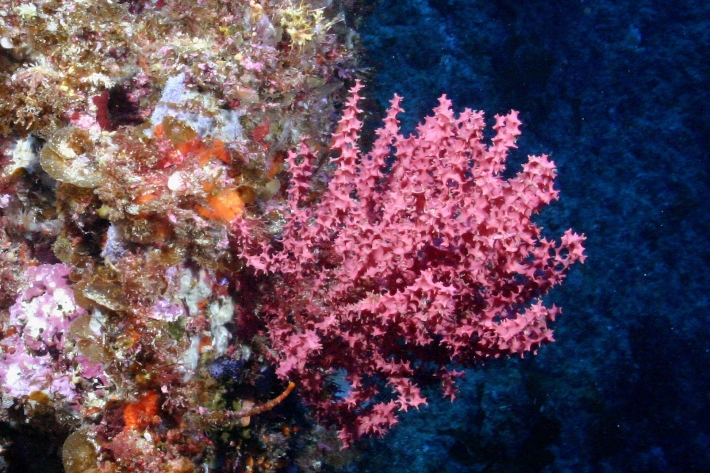
Identification guides
Useful information and resources on New Zealand's marine flora and invertebrate fauna. -
Giant kōkopu
The largest member of the Galaxiidae family. -
Modified habitat
A habitat is an environment or place where animals normally live. -
Climate summaries
Education ResourceIn this climate education resource, you can download this climate summary in a range of formats. -
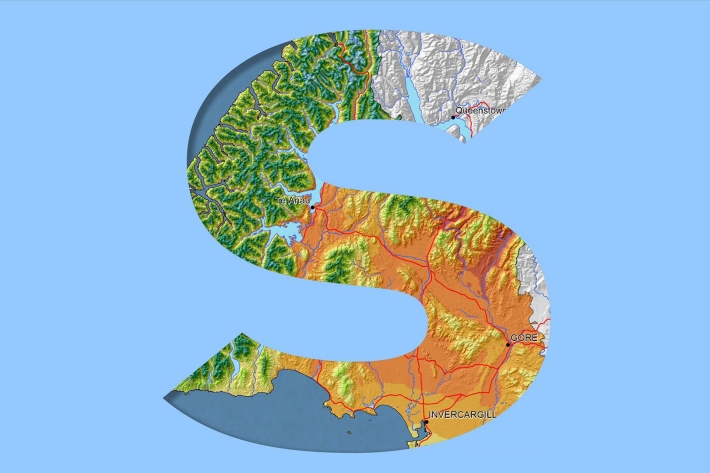
Southland
Southland is both the most southerly and most westerly part of New Zealand and generally is the first to be influenced by weather systems moving onto the country from the west or south. -
Map C North
Education ResourceAs this region is sheltered by high country to the south and east, it has less wind than many other parts of New Zealand.