-

Coralline Algae
This identification guide covers the common crustose coralline algae found in central New Zealand. -
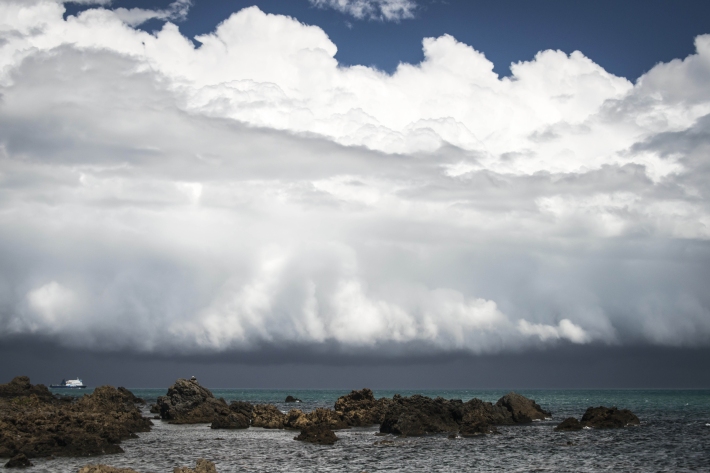
Clouds
Education ResourceCommon questions about clouds, how they are formed and how they behave. -
Otago
The climate of Otago is perhaps the most diverse of any region in New Zealand. -
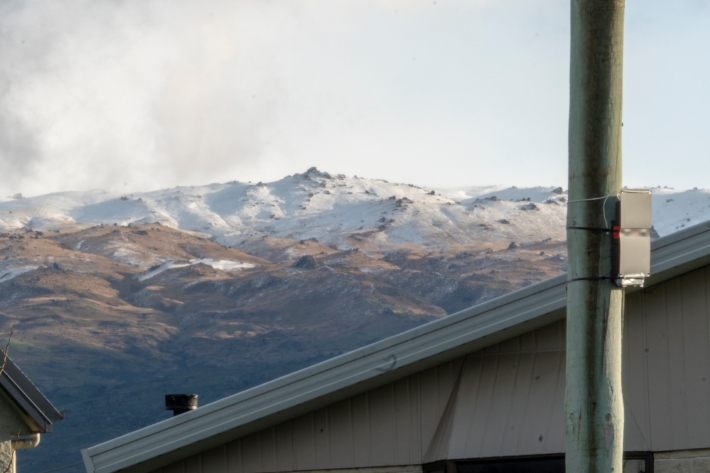
Air quality monitoring with low-cost sensors
ServiceNIWA provides ambient air quality monitoring services using low-cost ODIN (Outdoor Dust Information Node) sensors. -
Raglan A
This web camera is available thanks to the support of Waikato Regional Council. -
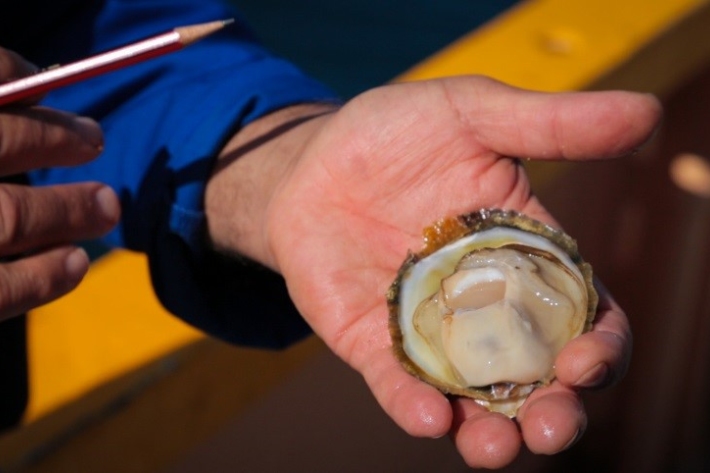
Questions and answers about oyster disease Bonamia ostreae
Media release06 June 2017NIWA is today issuing some scientific information on the parasite Bonamia ostreae, recently discovered in Big Glory Bay, Stewart Island, and the risk it poses to the Bluff oyster fishery. -
Obtaining climate data from NIWA
NIWA maintains the national climate database for New Zealand, and can supply data in a variety of ways. -
The Intergovernmental Panel on Climate Change (IPCC)
Education ResourceThe Intergovernmental Panel on Climate Change (IPCC) is charged with assessing the most up to date scientific, technical and socio-economic research on climate change. -
Tuna - diet
Longfin eels are the largest and longest-lived fish in New Zealand's freshwaters, and where they are present they are the top predator. -
Sediment and agriculture
How may agricultural activities increase sediments in waterways? -
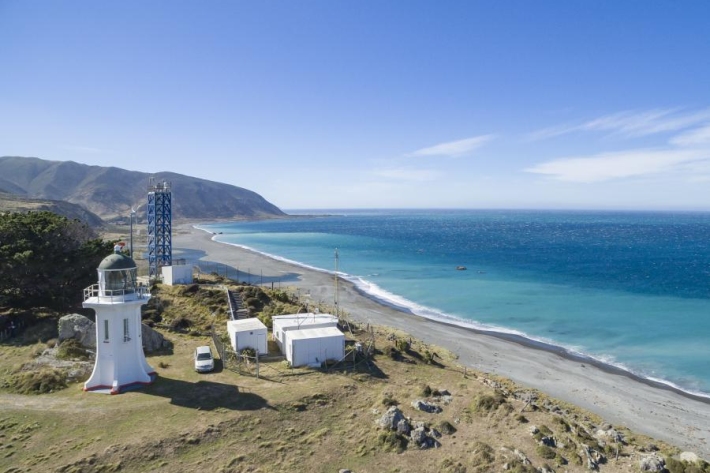
Carbon dioxide
FacilityAtmospheric carbon dioxide (CO2) is measured continuously at Baring Head, providing the longest running record of this type in the Southern hemisphere.