-

Exploration sector
Hydrocarbons, although requiring increasingly responsible use, are still an essential part of our modern economy. NIWA has provided survey and consultancy services related to the exploration of offshore mineral resources for thirty years. -
Seafood sector
NIWA's seafood sector work comprises our fish, fisheries and aquaculture research and consultancy. -
Water take
Water take (also known as water abstraction) has a range of valuable public and private uses. -
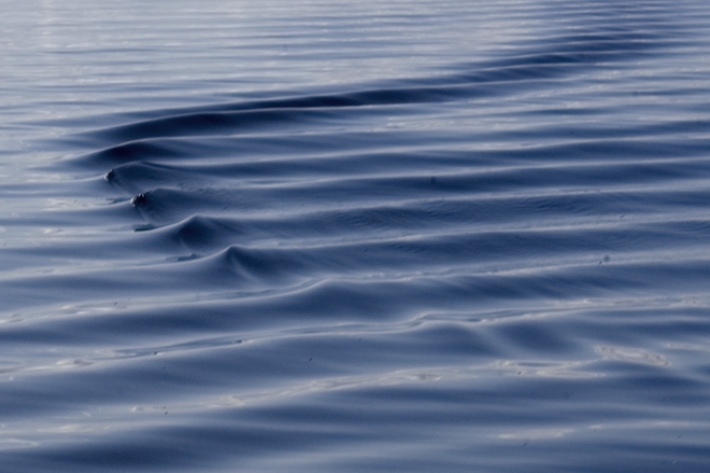
When fresh water meets salty water
When fresh water meets salty water - a classroom exercise that explores the physics of estuaries. -
Coralline Algae
This identification guide covers the common crustose coralline algae found in central New Zealand. -
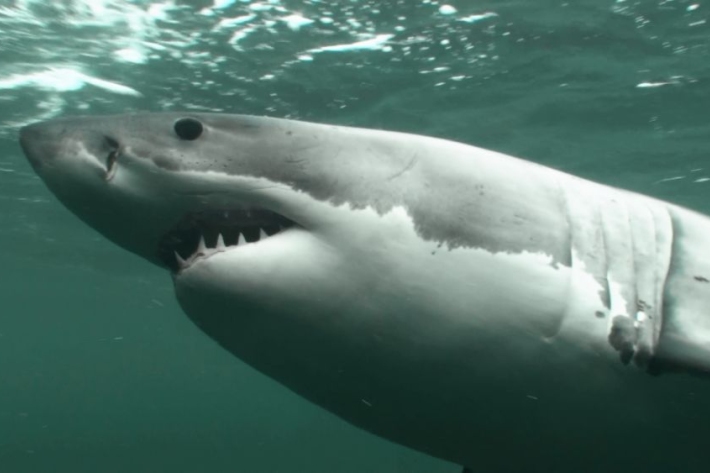
White sharks
Research ProjectWhere and when do white sharks occur in New Zealand waters, and how can fisheries bycatch be reduced? -
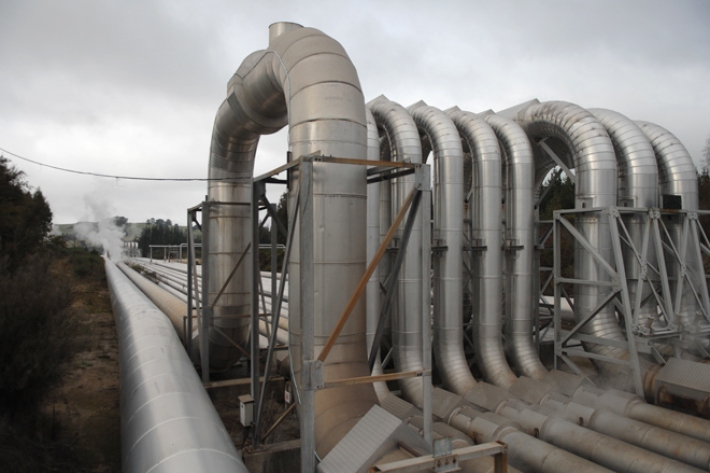
What is the proposed activity or industry?
Various industries and land use activities have the potential to impact on water quality and mahinga kai unless properly managed. -
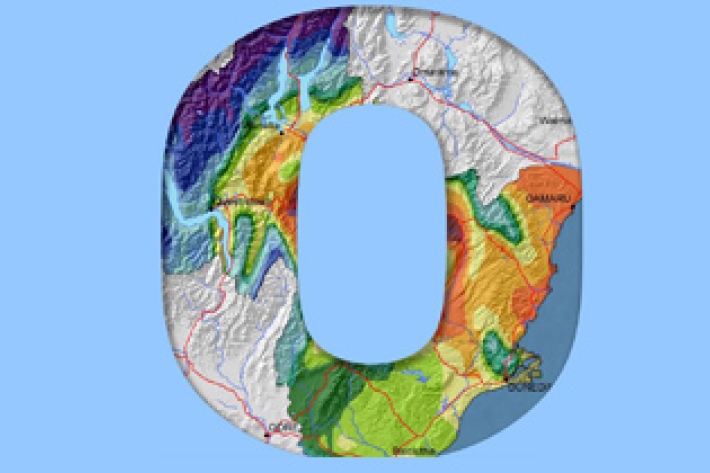
Otago
The climate of Otago is perhaps the most diverse of any region in New Zealand. -
Tuna - diet
Longfin eels are the largest and longest-lived fish in New Zealand's freshwaters, and where they are present they are the top predator. -
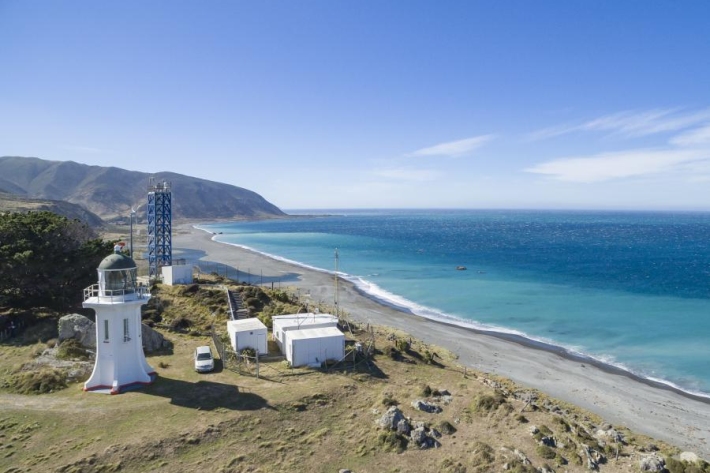
Carbon dioxide
FacilityAtmospheric carbon dioxide (CO2) is measured continuously at Baring Head, providing the longest running record of this type in the Southern hemisphere.