-
What is the proposed activity or industry?
Various industries and land use activities have the potential to impact on water quality and mahinga kai unless properly managed. -
Our work
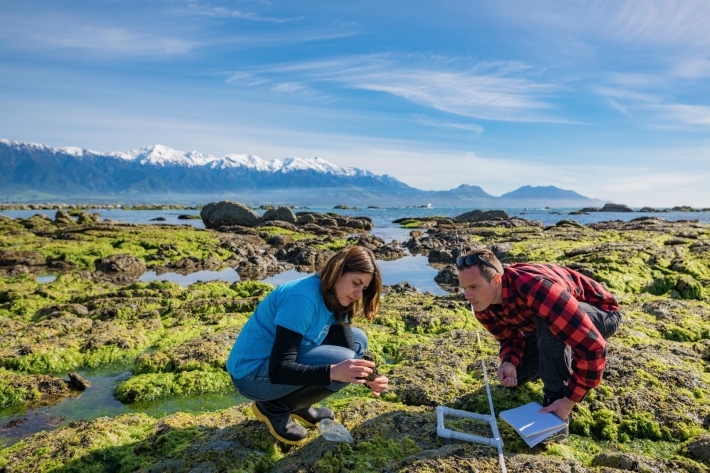
We have an exciting range of career opportunities at NIWA in both the scientific and professional support areas. -
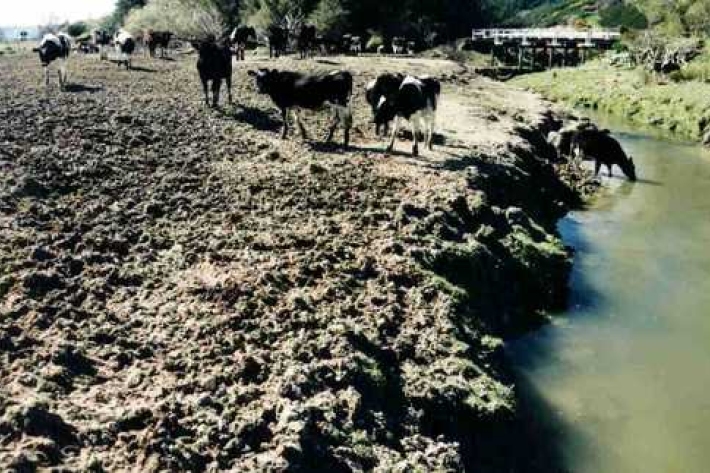
Loss of riparian vegetation
Plants and trees along the water margins and banks are called riparian vegetation. -
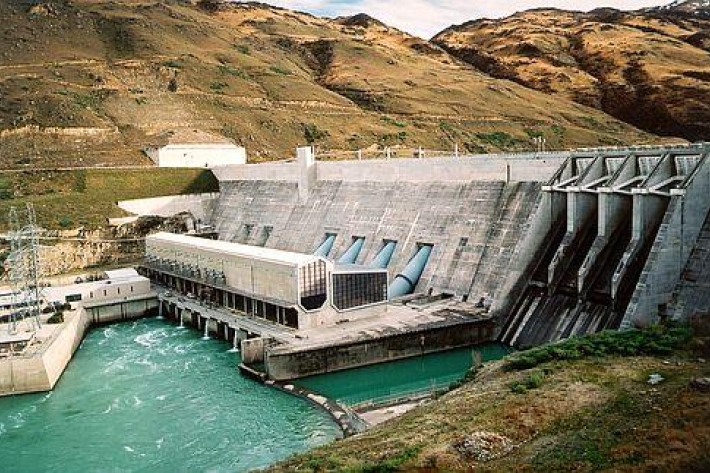
Hydro
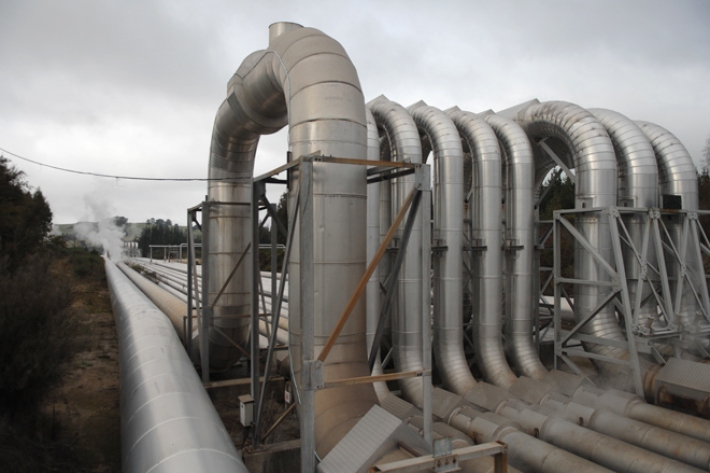
Hydro-electricity is a renewable energy source that relies on the inflow of water into storage lakes upstream of a dam. -

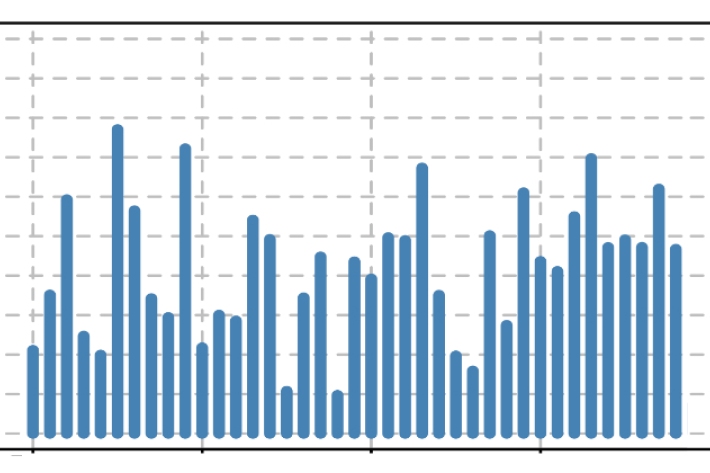
Mean daily maximum temperatures (°C)
These datasets are available in a range of formats. -
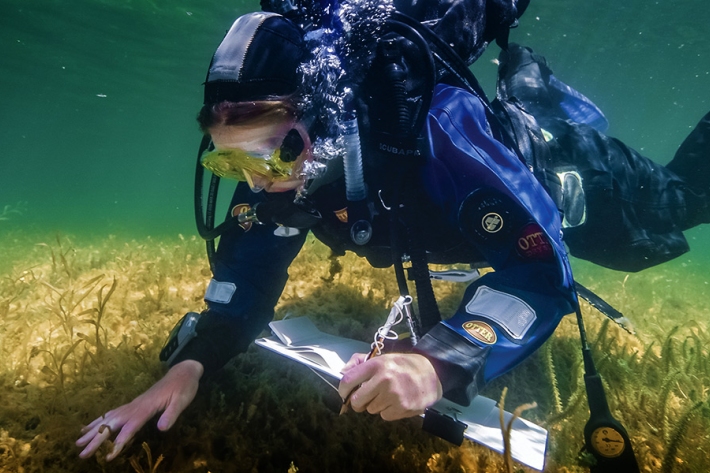
Nature knows best?
Feature story06 June 2017Returning water to our waterways after we’ve used it in our homes, on farms and in industry is a complex and challenging process. -
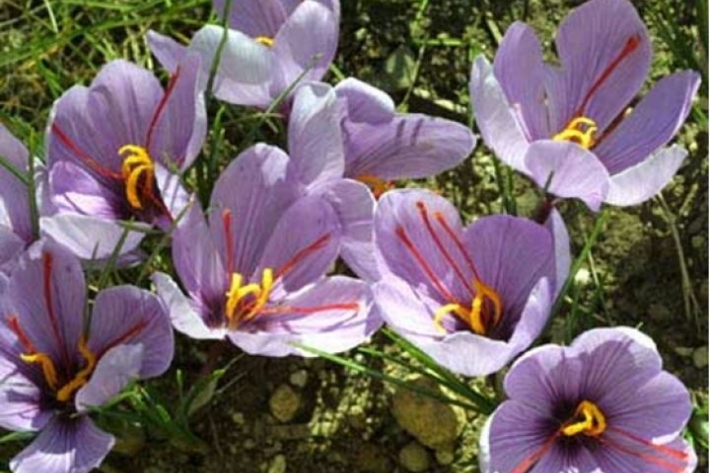
Assessment of crop and tree species growing potential using climate, soil and topographic information
Research ProjectThis project demonstrates how to assess high value alternative land-use options by means of a quantitative analysis of the growing potential of selected niche crops and tree species. -
Piharau
Piharau/kanakana are an important mahinga kai species and a prized delicacy for many Māori. -
Map South
Education ResourceMost of this climate zone is characterised by cool coastal breezes, and absence of shelter from the unsettled weather that moves over the sea from the south and southwest.