-

New study confirms world's oceans are warming
Media release03 February 2015An international team of oceanographers, including NIWA’s Dr Philip Sutton, has analysed data from ocean-profiling instruments known as Argo floats and found the temperature of the world’s oceans increased steadily between 2006 and 2013. -
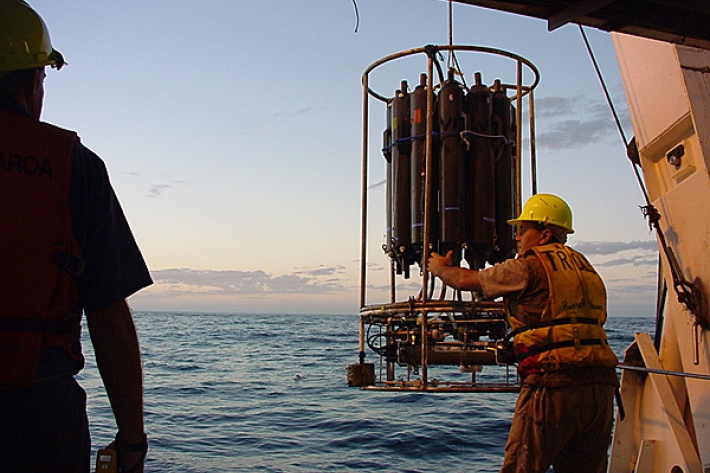
Measuring and analysing the Southern Ocean seas and atmosphere
Data collected continuously from this voyage will fill a critical knowledge gap, helping scientists to produce better global climate and oceanographic models to ultimately improve weather forecasting. -
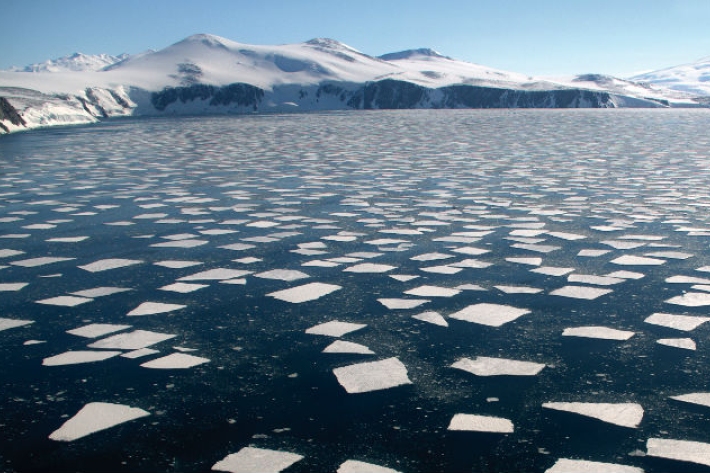
Studying Antarctic silverfish spawning in Terra Nova Bay
This research will investigate whether Antarctic silverfish eggs are spawned elsewhere or whether there is a mass migration of silverfish to their coastal spawning sites each winter. -
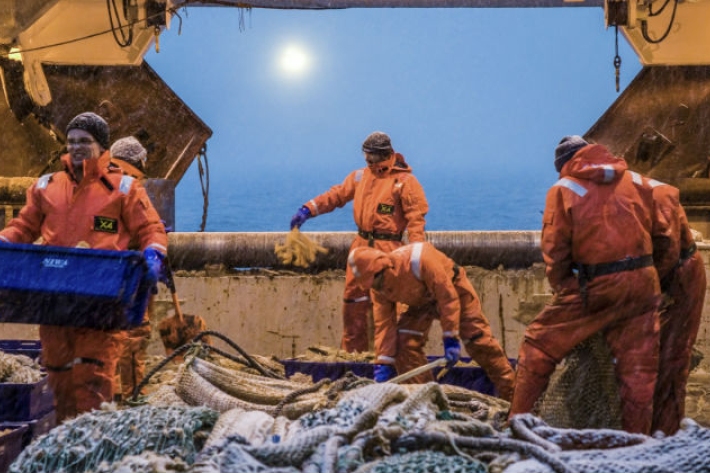
Trawl surveying demersal fish species on the Ross Sea slope
Commercial toothfish fishing in the Ross Sea has the potential to affect some demersal (bottom-dwelling) fish species in the region through by-catch and ecosystem changes. -
Characterising blue whale foraging habitats in the northern Ross Sea
This study will complement groundbreaking work undertaken in 2013 to determine the distribution of blue whales in the area and measure the characteristics of their habitats. -
Factors influencing abundance and distribution of humpback whales
This voyage will undertake a range of surveys around the islands to understand the factors influencing abundance and distribution of the whales - including what they eat. -
Critter of the Week: Ecionemia alata (Dendy, 1924) commonly known as the purple cup
In this week’s blog we explore Ecionemia alata (Dendy, 1924) commonly known as the purple cup or pillow sponge. -
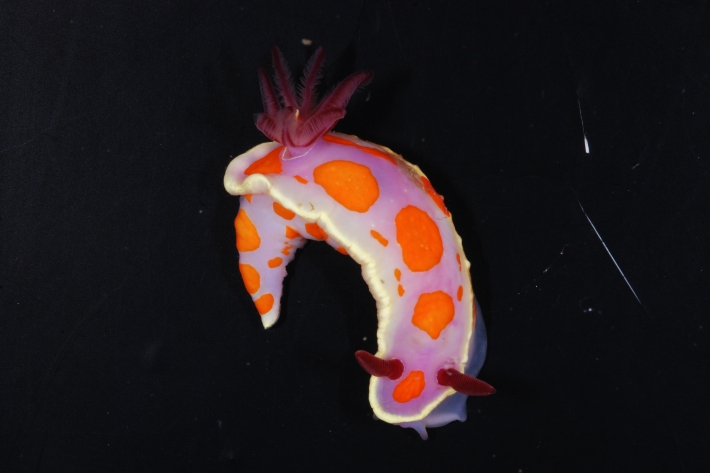
Critter of the Week: the brightly coloured and aptly named clown nudibranch, Ceratosoma amoenum.
This week’s critter, found from the northern part of New Zealand to southern Australia, is the brightly coloured and aptly named clown nudibranch, Ceratosoma amoenum. -
Penguin census reveals drop in numbers
News article25 November 2014The plight of the penguins of Penguin Bay has attracted the interest of scientists who are studying why there are fewer and fewer of them every year. -
Finding the right whale in old places
News article26 September 2014Scientists on a rugged mid-winter trip to the remote sub-Antarctic islands have confirmed a large contingent of endangered southern right whales are spending the colder months near Campbell Island. -
Critter of the Week, spiny sea slater Brucerolis brandtae
This week we thought we would go back to the beginning and revisit our very first Critter, which many of you may not have seen. Let’s take another look at the spiny sea slater Brucerolis brandtae. -
This week's Critter is the sand-dollar associate Oxydromus sp., a hesionid polychaete.
Hesionids are lively compact small worms, often richly coloured and with a good set of eyes (2 pairs, with lenses).