-

Wave hazard research
Research ProjectNIWA collects wave data, develops and verifies wave forecasting systems, and is developing and producing wave projections. -
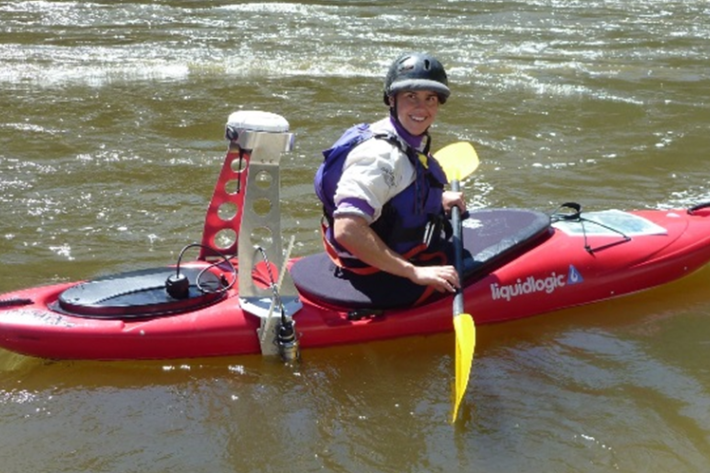
Geomorphology influences periphyton abundance
Research ProjectThis research project investigated whether the mechanisms for periphyton removal in rivers relate more directly to hydraulic and geomorphic conditions than flow metrics. -

The decline of New Zealand’s sea lions
Research ProjectThe main breeding population of New Zealand sea lions at the Auckland Islands has halved in size since the late-1990s; NIWA scientists are working with the government and experts from around New Zealand and overseas to understand why. -
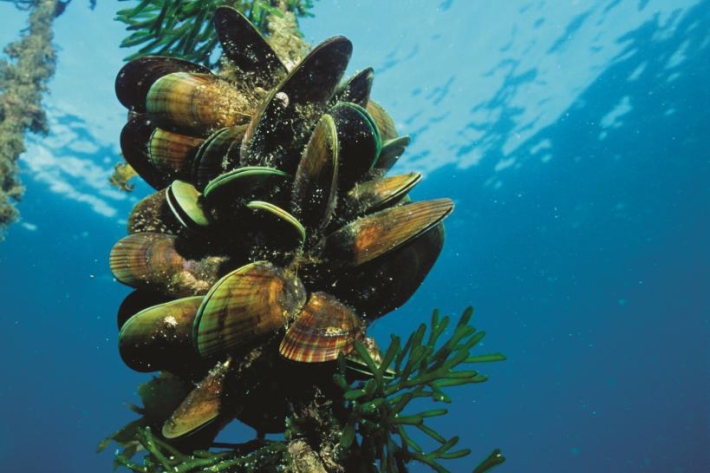
CARIM (Coastal Acidification: Rate, Impacts & Management)
Research ProjectA NIWA-led project to tackle coastal acidification in New Zealand. -
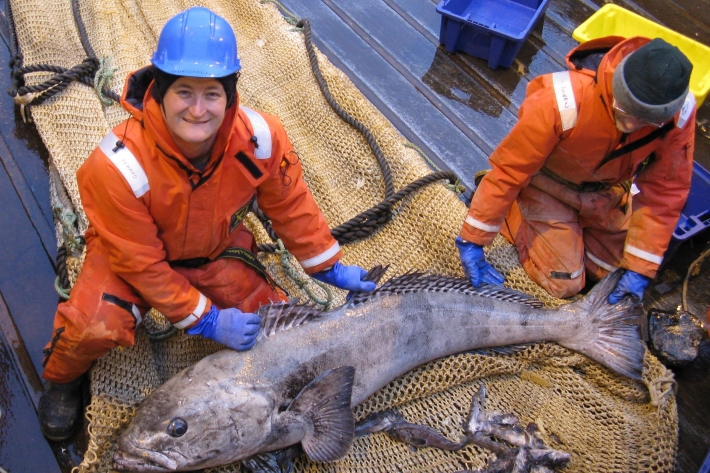
Ross Sea fish surveys
Research ProjectWe don’t clearly understand the ecological effects of commerical toothfish fishing in the Ross Sea region. To improve our knowledge, we conducted a survey of demersal (bottom-dwelling) fish species on the Ross Sea slope - particularly grenadiers and icefish - during the 2015 Antarctic Ecosystems Voyage. -

New Zealand Ocean Acidification Observing Network (NZOA-ON)
Research ProjectOcean acidification conditions around the New Zealand coast are being measured to establish baseline conditions and to quantify future change. -
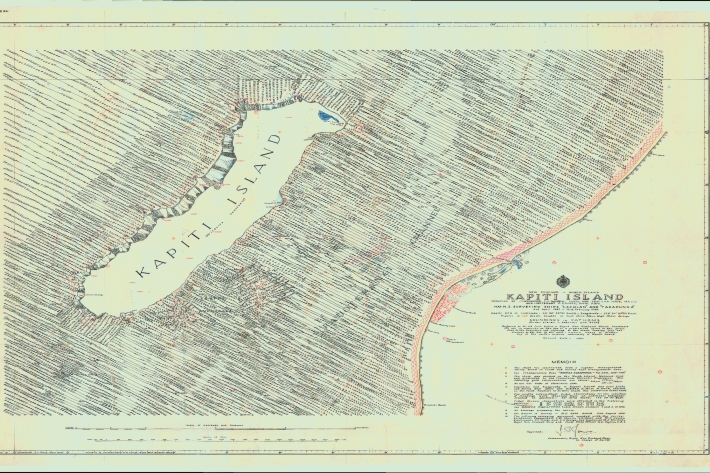
Revealing Kapiti Island's submarine landscape
Research ProjectWe are using modern techniques to map seafloor surrounding Kapiti Island, an area of significant cultural and environmental value to New Zealand. -
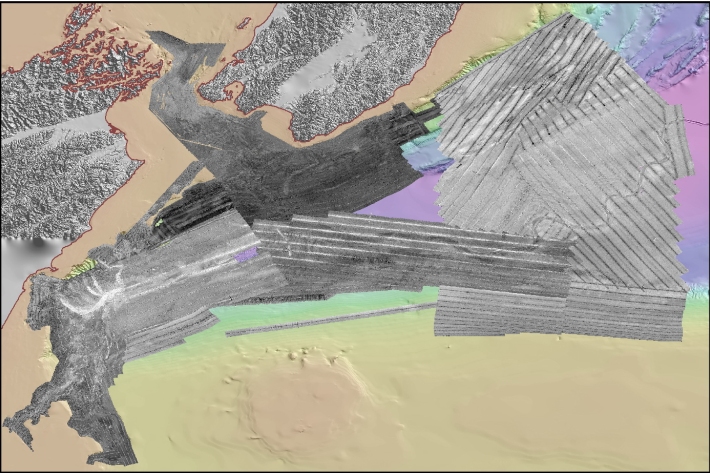
Backscatter Measurement Guidelines
Research ProjectMarine scientists have long recognized the potential of using remotely-sensed data, most often acquired using a sonar system, as a proxy of biophysical indicators. -
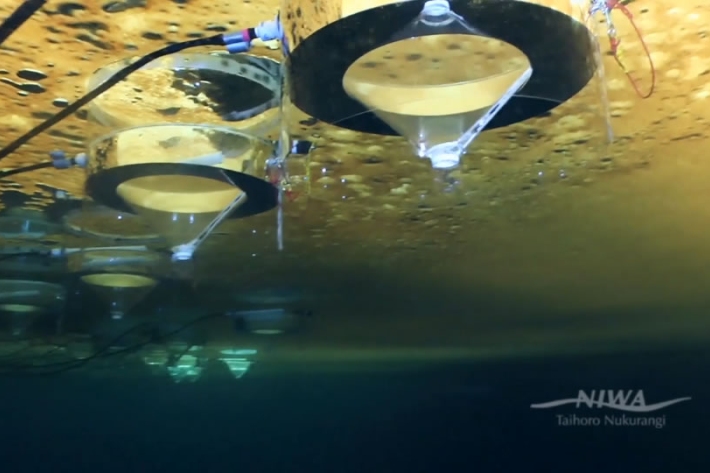
Ocean acidification and warming
Research ProjectAcidification of the world’s oceans from rising atmospheric carbon dioxide levels reduces the availability of carbonate required by some marine organisms to build shells and skeletons, and potentially affects their ability to maintain existing structures. -

Marine environmental monitoring in New Zealand
Research ProjectLong-term datasets that track persistent change in the environment are a critical component of any modern ecosystem-based approach to natural resource management and sustainable growth. -
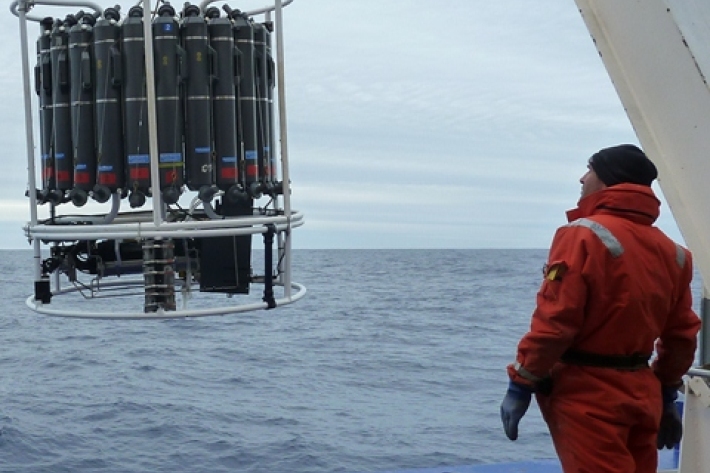
Oceans 20/20
Research ProjectThe Ocean Survey 20/20 (OS 20/20) programme aims to provide NZ with better knowledge of its ocean territory.