Aleki Taumoepeau is an Aquatic Biology Technician specialising in freshwater biosecurity and aquatic plant ecology.
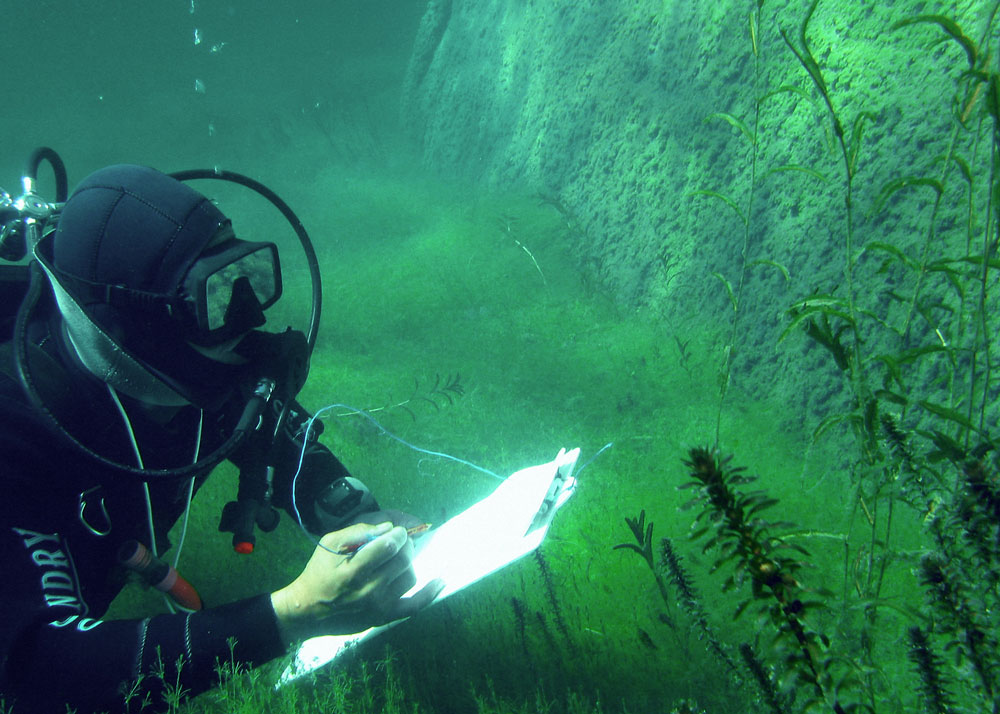
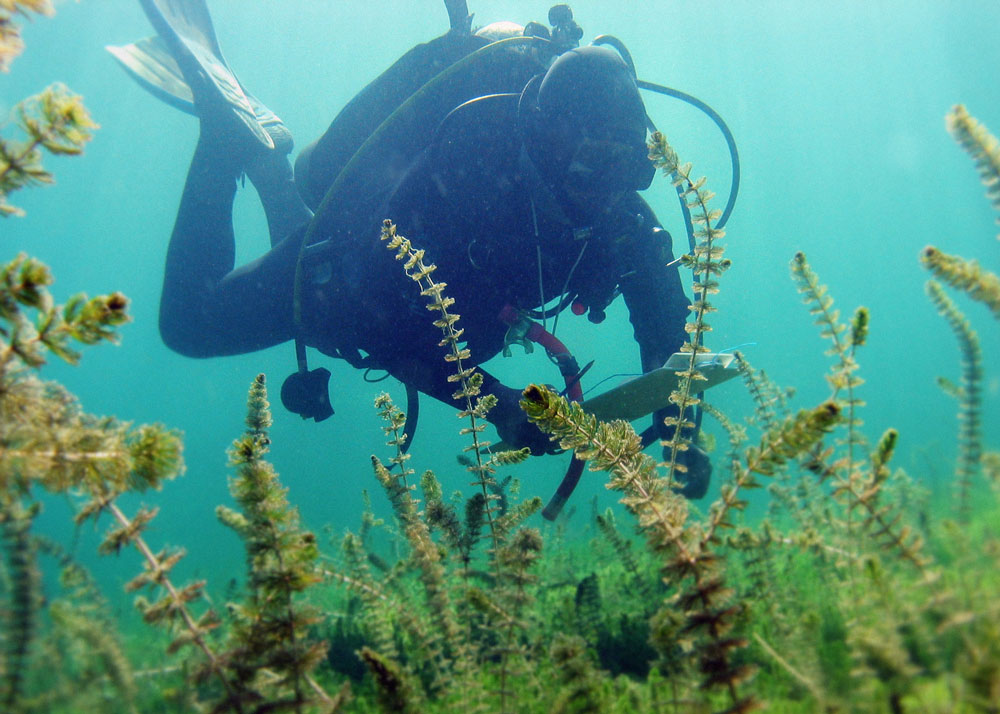
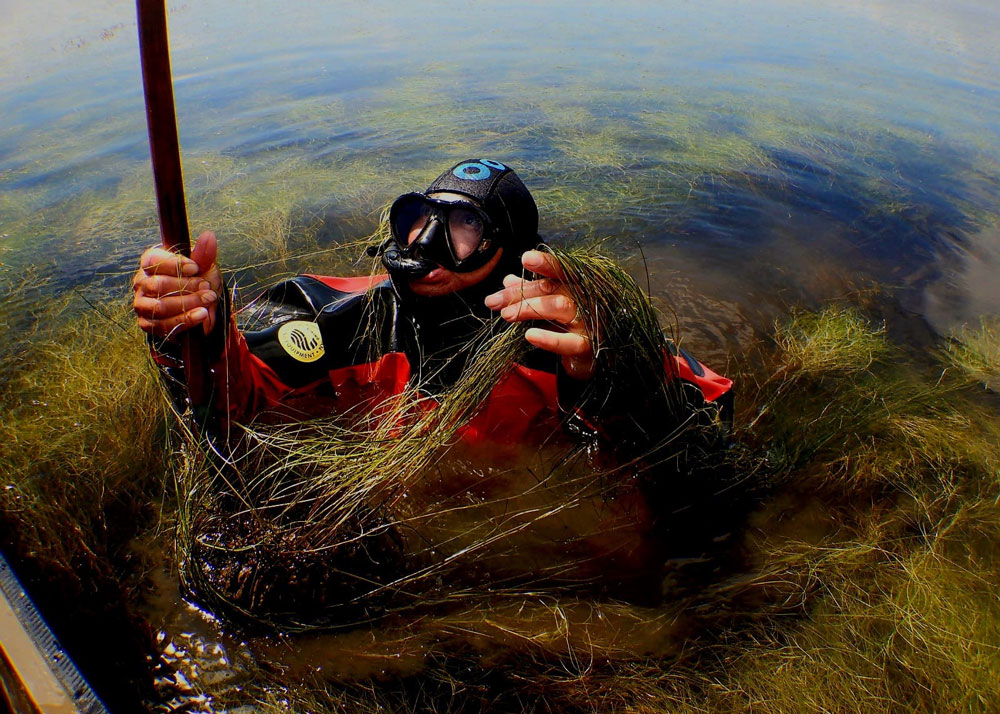
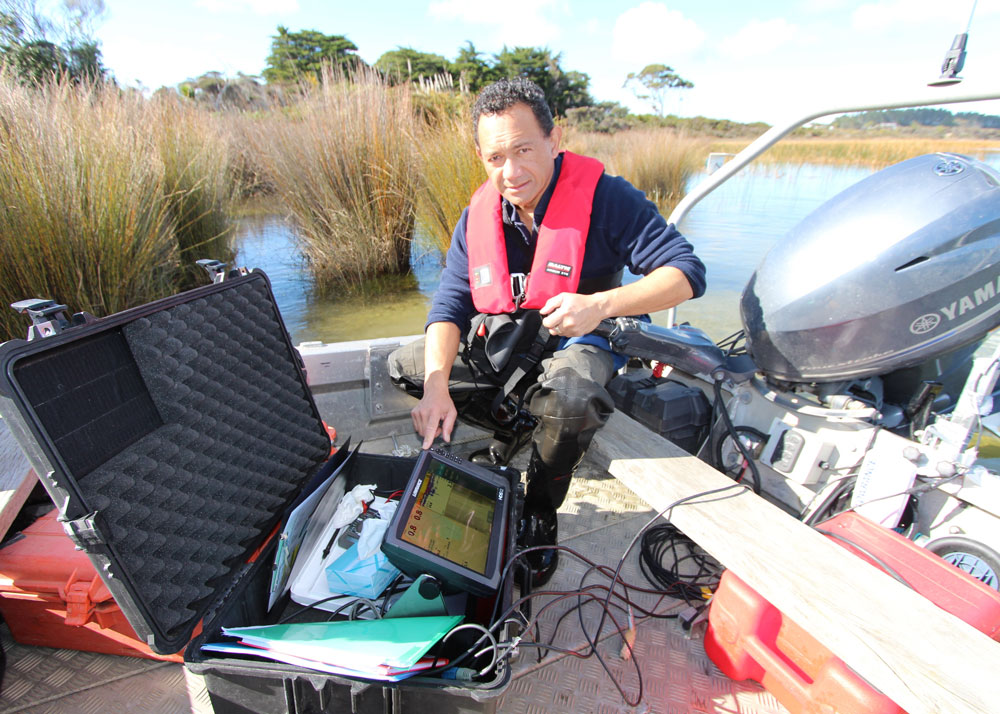
Based in the Hamilton office, Aleki applies his technical expertise in hydroacoustics, aquatic plant surveillance, mapping, scientific diving, and vessel operations as he leads fieldwork in support of research and management of invasive species and native vegetation. We caught up with Aleki to learn more about his career journey.
Where did you grow up?
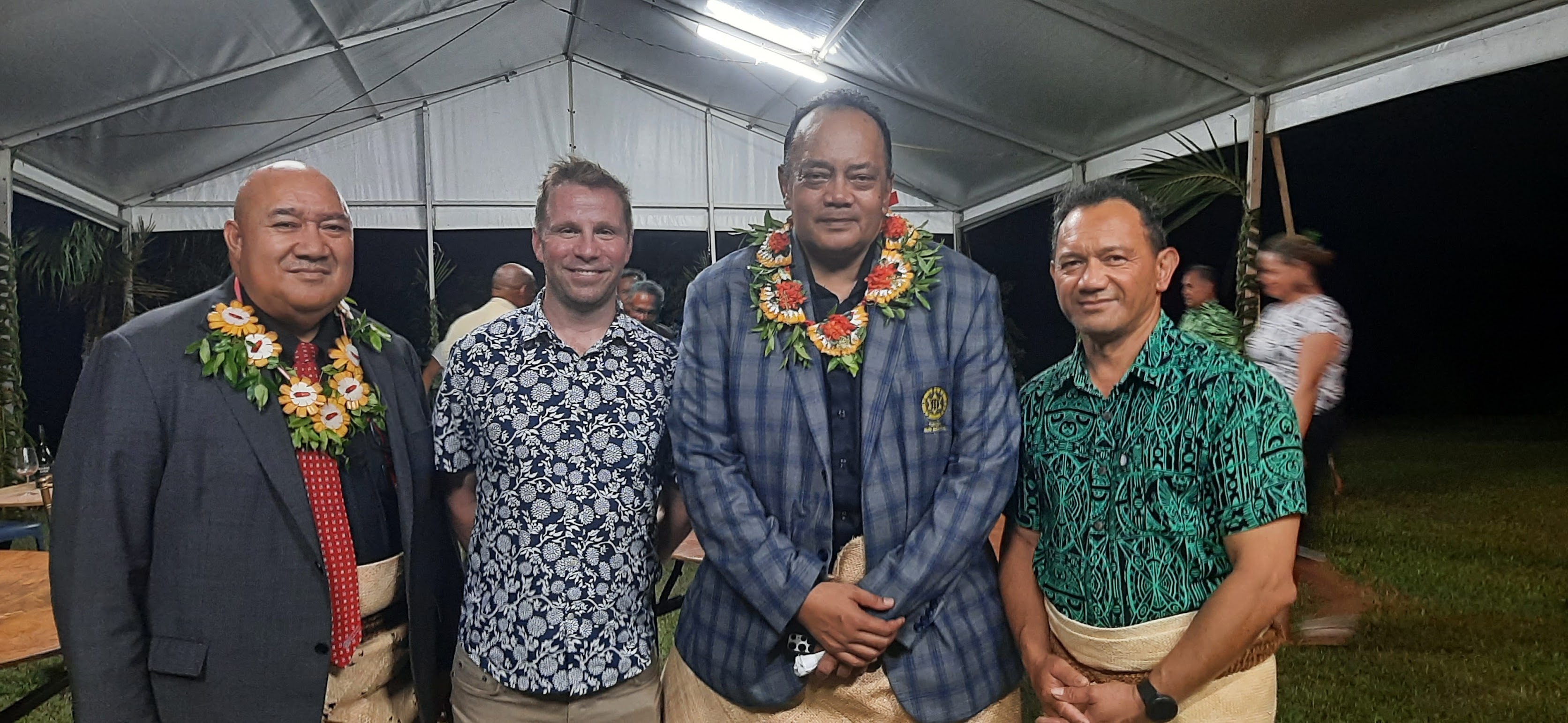
I grew up in Nuku’alofa, Tongatapu and moved to New Zealand, Mount Maunganui at 11 years old to go to school. I still have strong family and cultural ties to Tonga. My upbringing was shaped by both my Pacific roots and Kiwi values, which continue to influence my work and community involvement.
Can you describe your career journey and what led you to Earth Sciences New Zealand?
I started my career with a Bachelor of Science degree from Waikato University and a PADI open water scuba ticket after I graduated. I’ve always enjoyed the outdoors. I started a part time job with the Ministry of Agriculture and Fisheries 1989 based at the Ruakura research station and joined the Aquatic Weeds Group which became NIWA in 1991. And so, from then to now Earth Sciences NZ, I have seen a lot of changes over this time.
Is there a Pacific project or initiative that stands out to you and why?
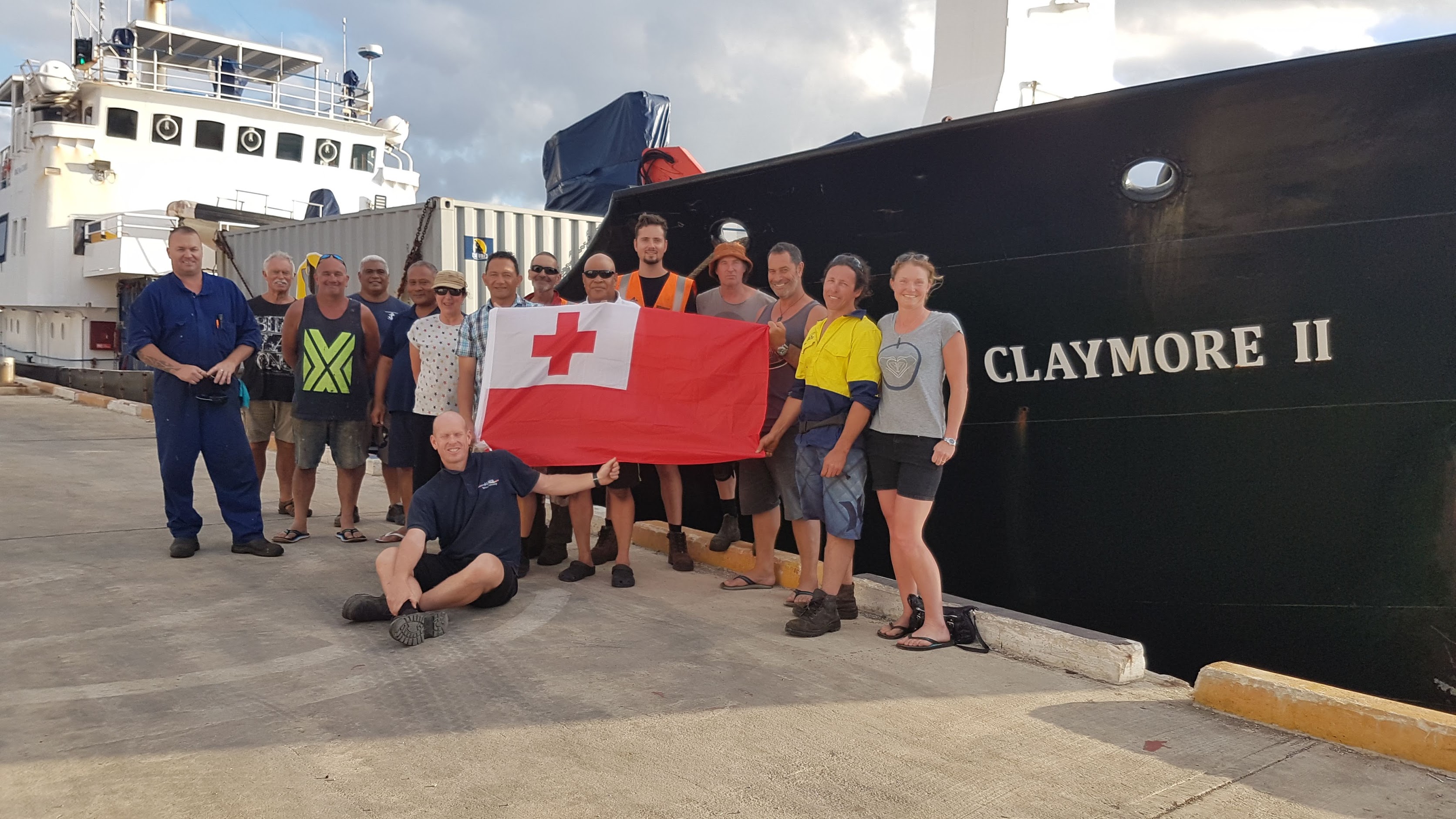
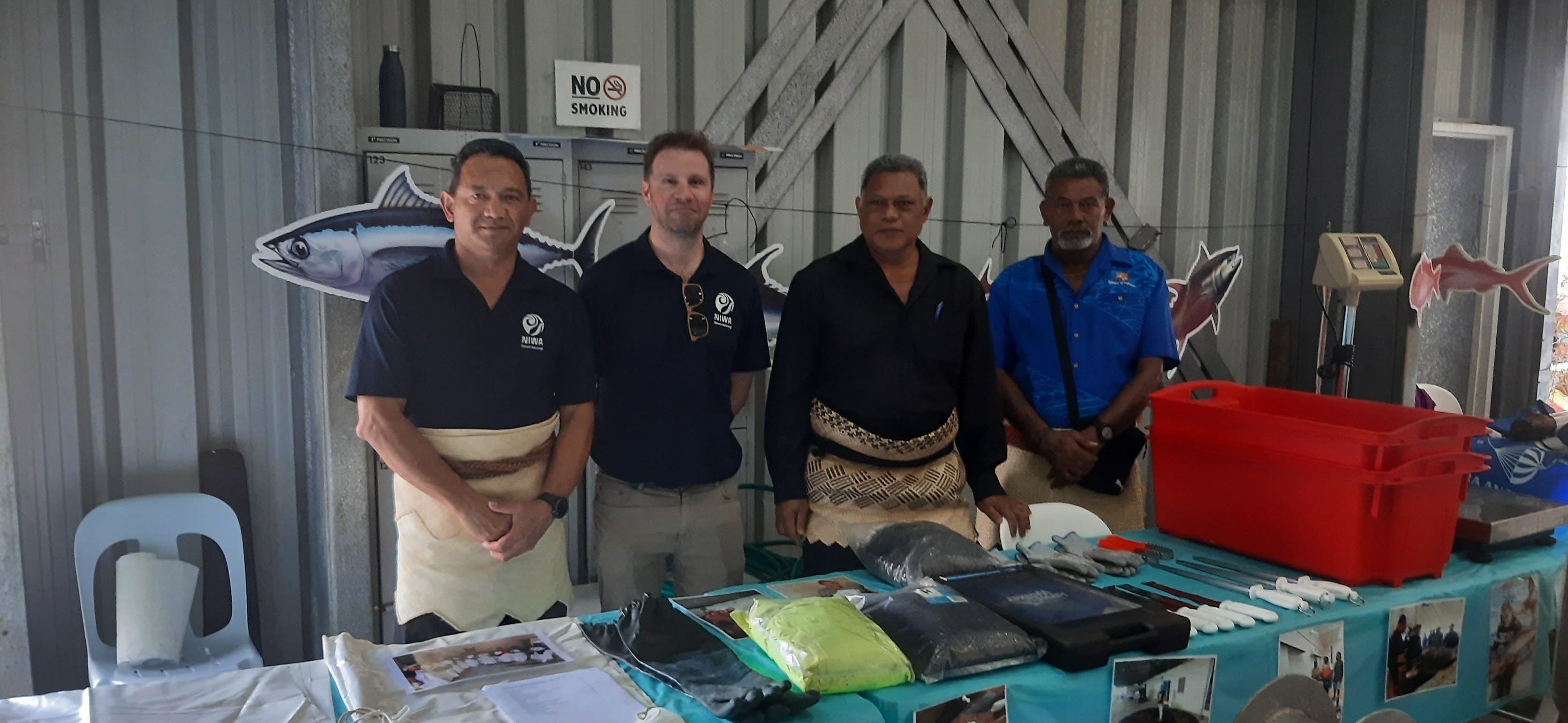
The 8-year demersal snapper fishery project in Tonga stands out. It combined science, policy, and community engagement to improve fisheries governance. It was very rewarding to contribute to sustainable resource management and help build capacity of my people.
What do you most enjoy about your work?
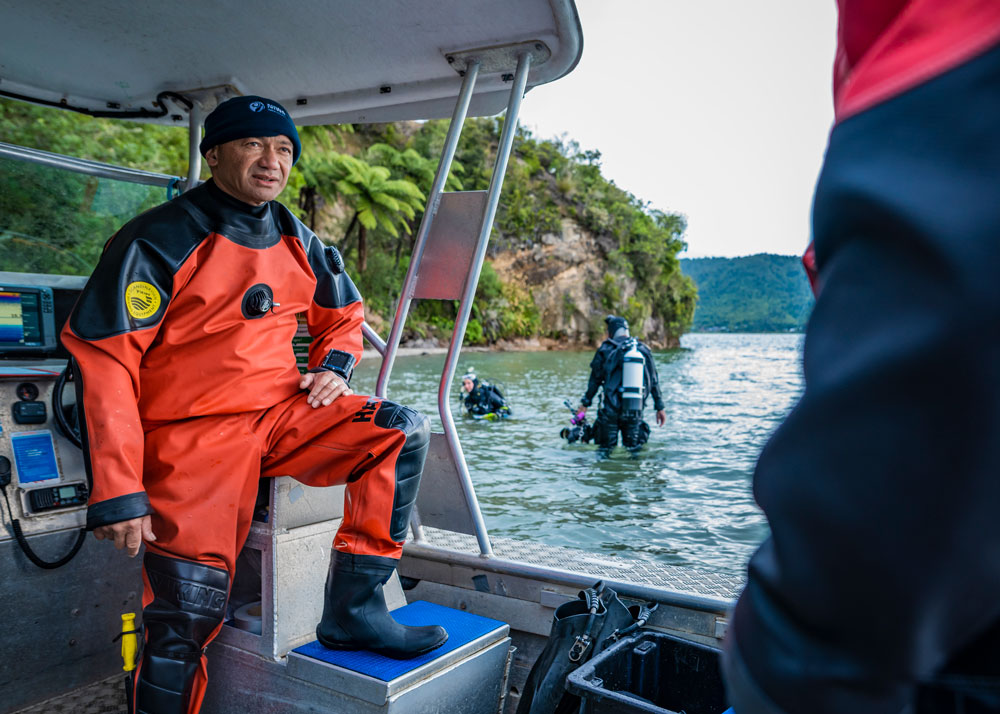
I really enjoy the wide variety of projects I get involved in and the people and opportunities I get exposed to here at Earth Sciences NZ, especially if it takes me back to my roots. I do enjoy helping and giving back. But also, the mix of hands-on fieldwork and meaningful collaboration. Whether I’m diving, skippering, or mentoring, I value the impact we make through our science and teamwork.
What makes you excited to come to work in the morning?
Knowing that our work directly supports environmental protection and Pacific development. Every day brings a new challenge — whether it’s fieldwork, data analysis, or supporting regional partners.