-

Submerged plants as bio-indicators
Submerged plants have a number of advantages that favour their use as indicators of lake ecological condition. -

Resources and References
Links to related resources and websites -
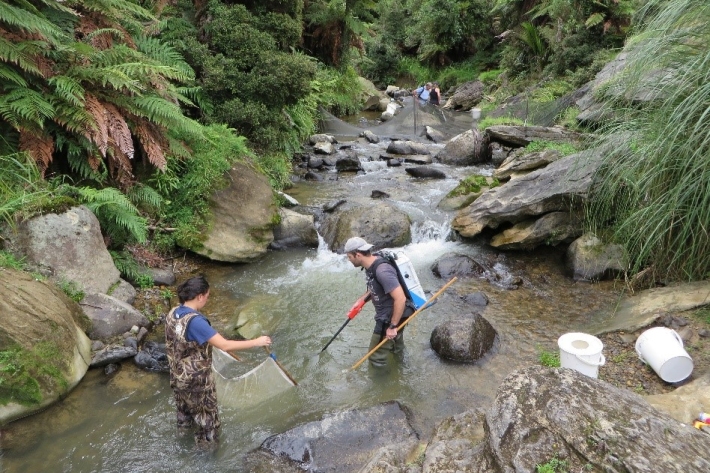
Guidelines for sampling freshwater fisheries
We have prepared a breakdown of the different guidelines that are available for sampling freshwater fisheries. The overview provides links to key documents that explain what should be considered when designing fish monitoring studies and how to implement the various sampling techniques. -
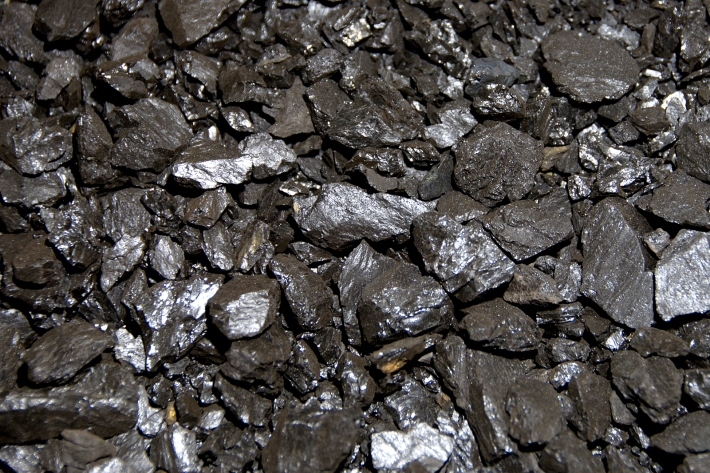
Mining
Mining is the extraction of metal and mineral resources, such as gold, coal, petroleum, and ironsand -
Impacts of water dams
What are the impacts of water dams on water quality and mahinga kai? -

Q&A - Bloomin' algae!
Feature story06 June 2017A hot and steamy summer saw Kiwis heading down to rivers and lakes to cool off. But they weren’t the only ones enjoying the warmer weather – algae had a great time too. -
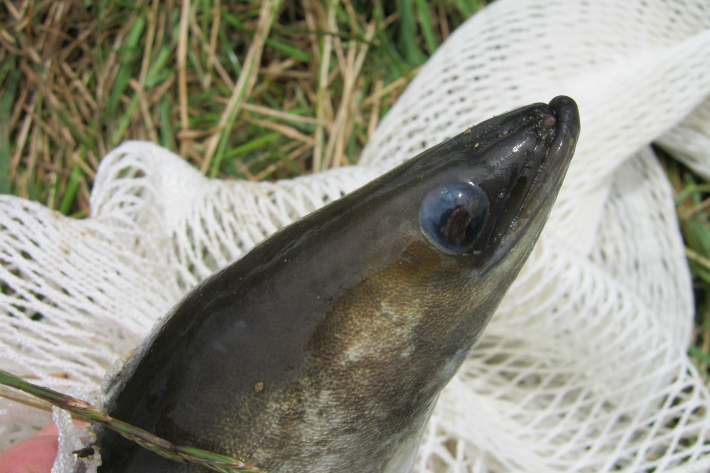
Tuna information resource
Tuna, or freshwater eels, are the most widespread freshwater fish in New Zealand. This 'living' educational resource summarises a large amount of scientific and technical literature. -
Overview of SHMAK
An overview of what the SHMAK kit comprises, and various uses for it. -
Pulp and paper
Wood chips and plant material make pulp that is used to produce paper products. -
Water Quality Monitoring Capabilities
Research ProjectNIWA provides national capabilities in Water Quality Monitoring. -
Mining activities
A range of different mining techniques have been developed to obtain these valuable resources