-
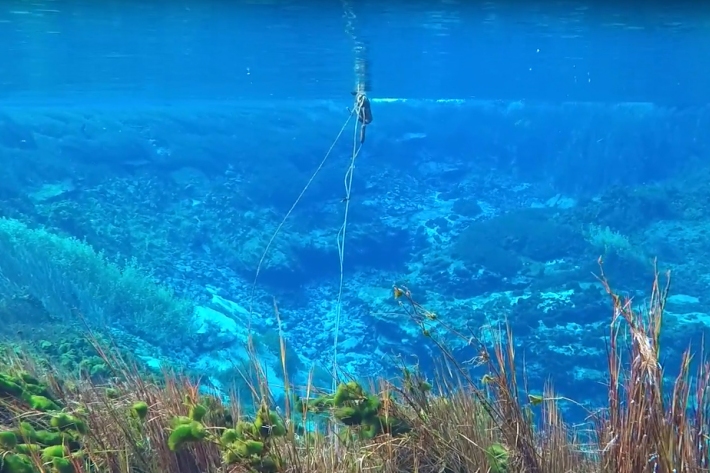
Underwater footage shows exceptional clarity of Te Waikoropupū Springs
Media release25 May 2018On the bottom of New Zealand’s largest freshwater springs is an underwater garden of vivid green, pinks and inky blues. -
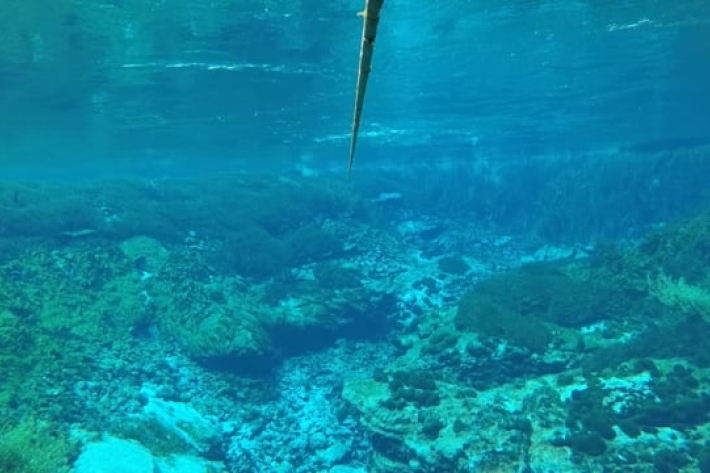
Waikoropupu Springs video
NIWA freshwater scientists have completed monitoring the ultra-clear water of the Te Waikoropupū Springs near Takaka. -
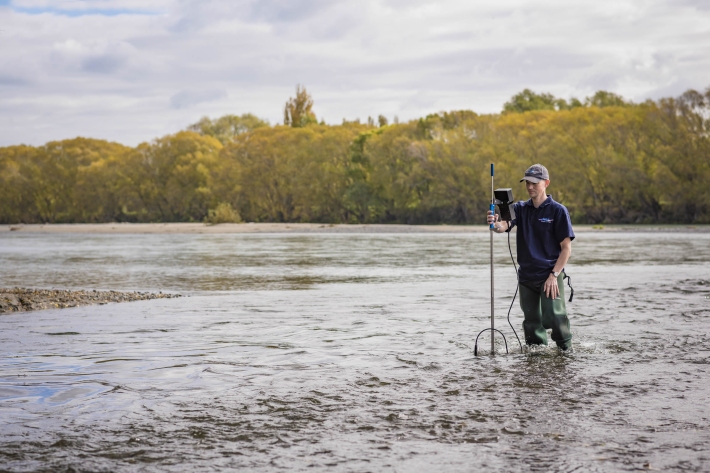
Water count
Feature story20 April 2018Ruth Beran discovers that public interest in the state of fresh waterways has driven a dramatic change in the tools used by scientists. -
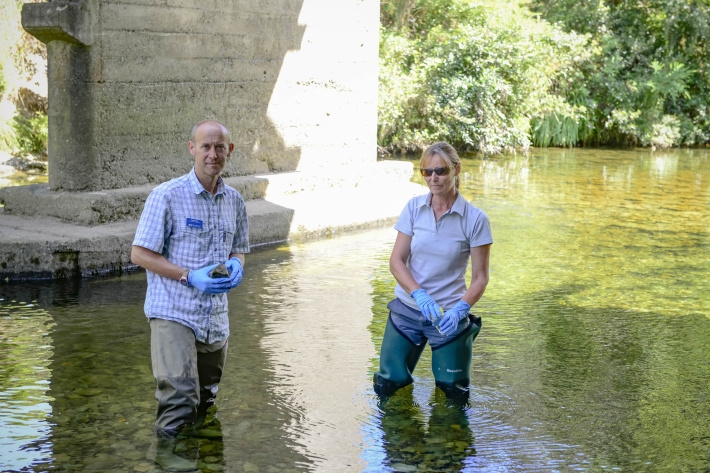
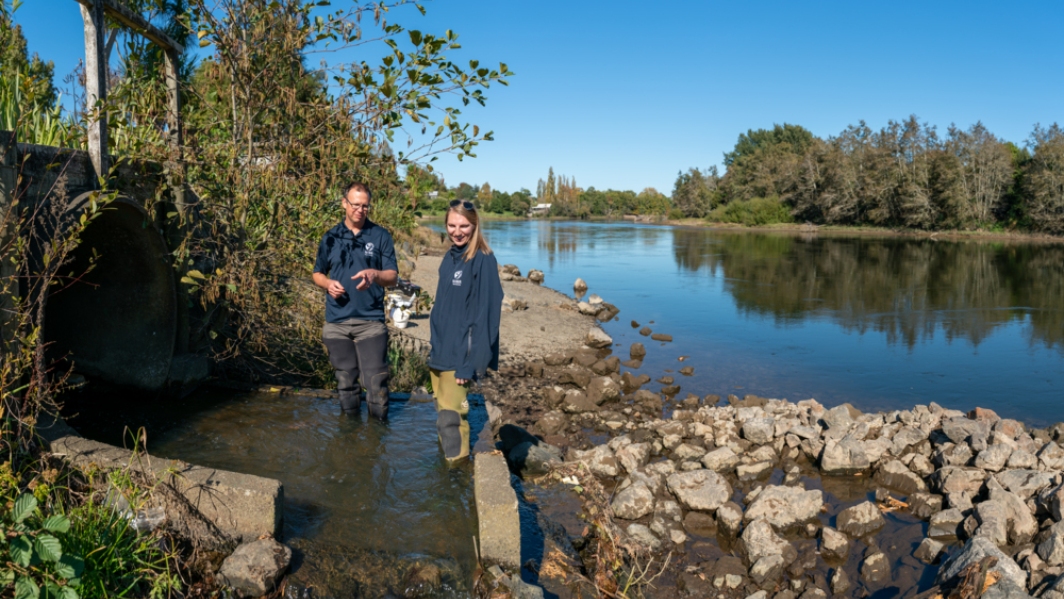
Citizen science: Monitoring the Maitai
Feature story11 April 2018The first Wednesday of the month finds Philippa Eberlein and her Friends of the Maitai colleagues collecting samples from the Maitai River in Nelson. -
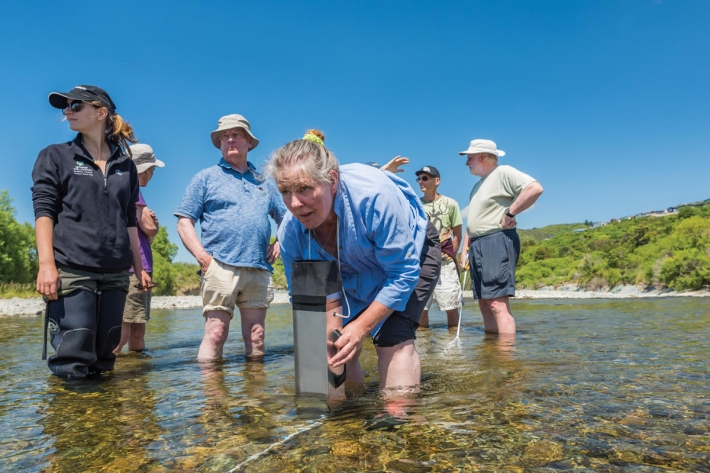
Summer Series 2017 - Citizen scientists take on Hutt River
Feature story08 January 2018A group of volunteers who love the Hutt River are helping to care for it over summer. -
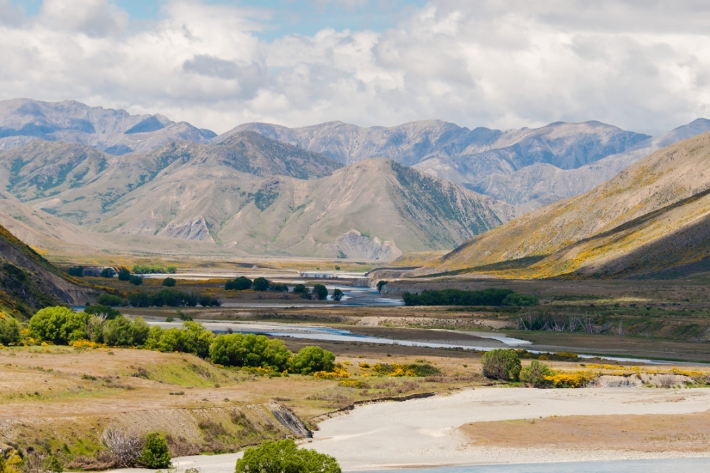
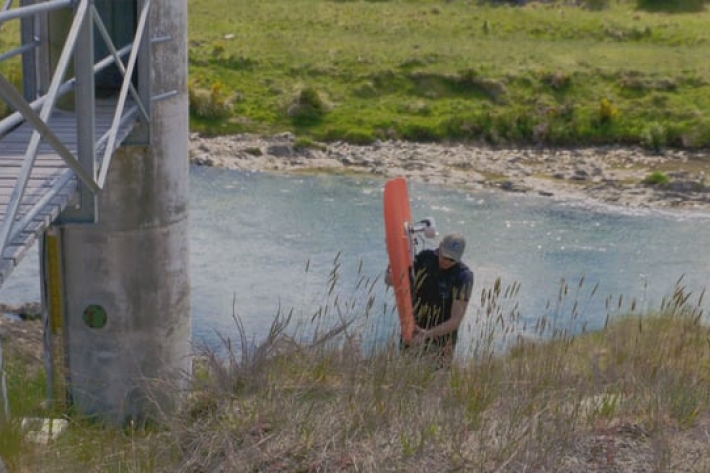
Summer Series 2017 - A day out measuring at Molesworth
Feature story02 January 2018As the road behind Hanmer Springs turns to gravel and a dust cloud forms in the rear vision mirror, the southern edge of Molesworth Station unfolds. -
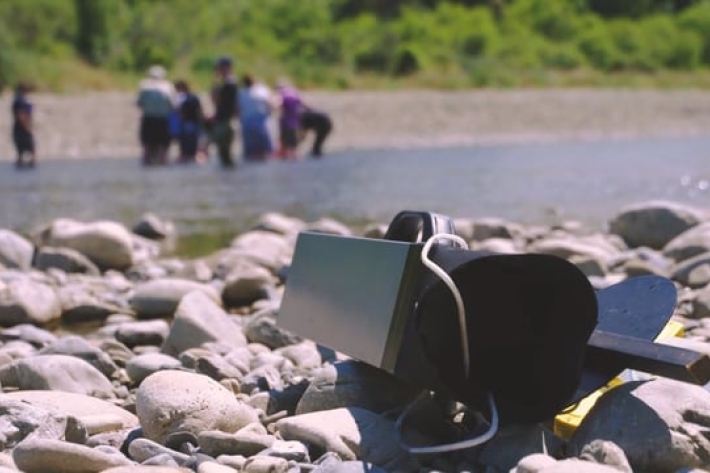
Citizen scientists take on Hutt River
Citizen scientists take on Hutt River -
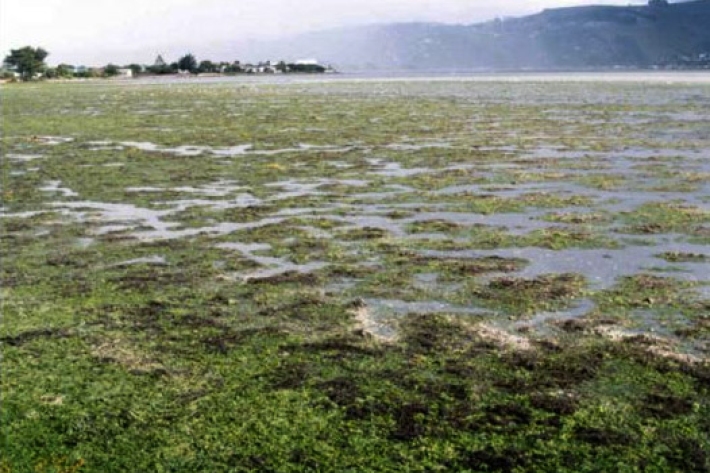
The New Zealand Estuary Trophic Index
Research ProjectExcessive nutrient input (eutrophication) threatens many New Zealand estuaries causing ecological problems, such as algal blooms and poor physical and chemical conditions for estuarine life.