-

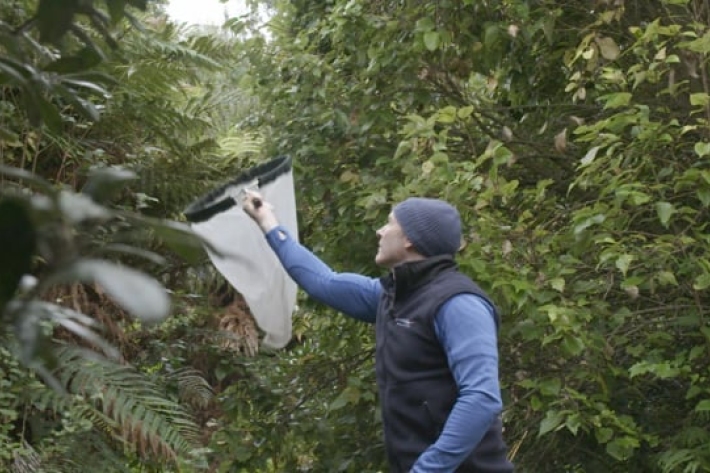
Aquatic invertebrate traits database
Approximately 500 Aquatic invertebrate taxa are described in this database, made available to assist with the identification of specimens. -
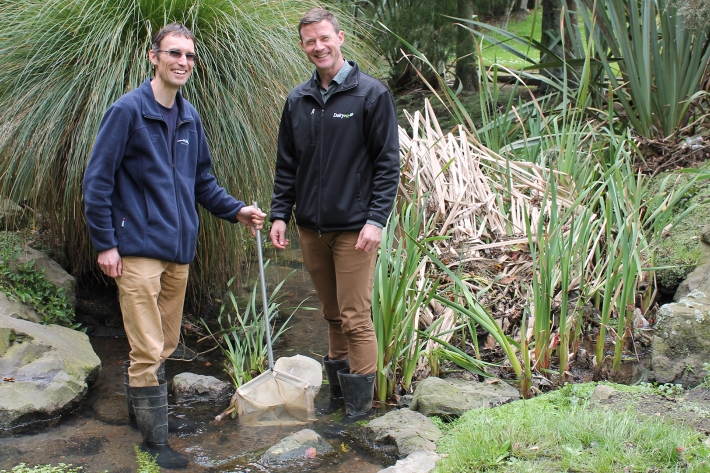
Proud of your plants? Take the survey
Media release09 October 2017A new online survey is forming the basis of the National Riparian Restoration Database, which will help scientists to improve understanding of how riparian buffers benefit waterways.
Take the survey -
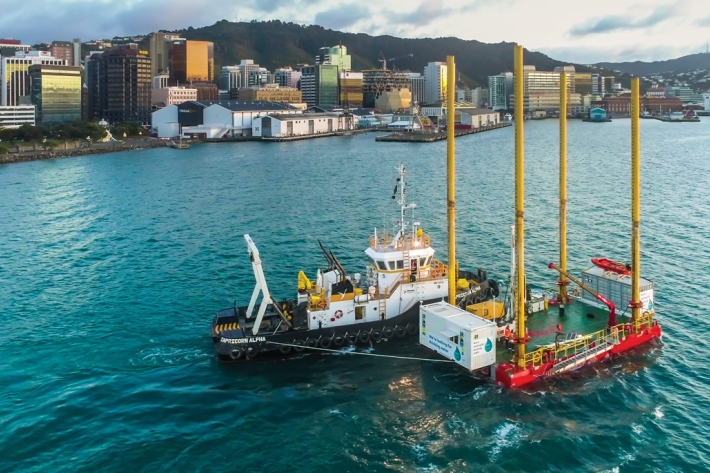
Q&A: going to sea for fresh water
Feature story05 October 2017Since the end of June, a barge has been stationed just off Wellington’s Miramar Peninsula drilling into the seabed to find an alternative water source for the city. -
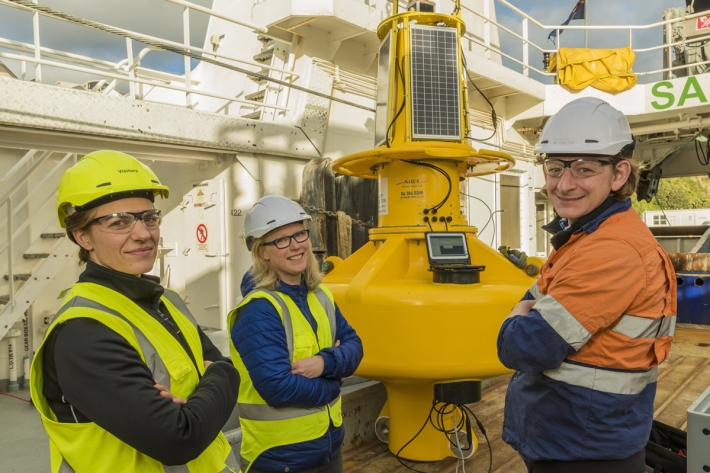
WRIBO’s phoning it in
Feature story05 October 2017A sophisticated buoy has been deployed in Wellington Harbour to “phone home” information about currents, waves and water quality in the harbour. -

NIWA riparian survey video
NIWA, supported by DairyNZ, are asking anyone who has planted along stream banks to take a short survey. -
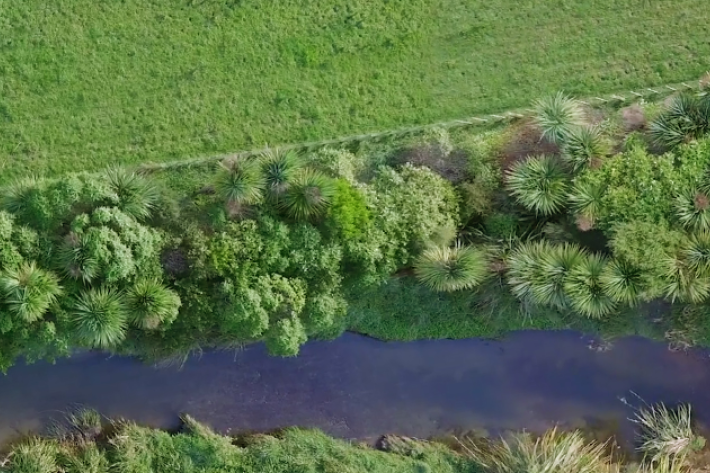
National riparian restoration database project
Research ProjectNIWA is undertaking a five-year nationwide study to find out how different approaches to riparian planting influence water quality improvements and to provide better guidance to the people and groups undertaking stream restoration. -
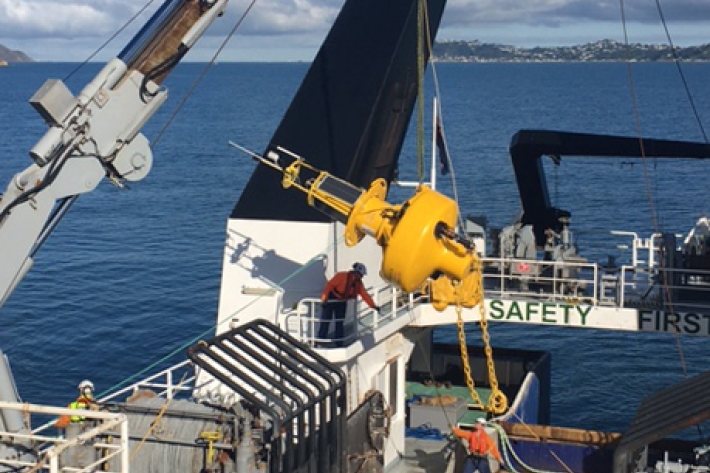
New buoy for Wellington Harbour to boost water quality information
News article10 July 2017A buoy with the ability to “phone home” has been deployed in Wellington Harbour today to monitor currents, waves and water quality in the harbour. -
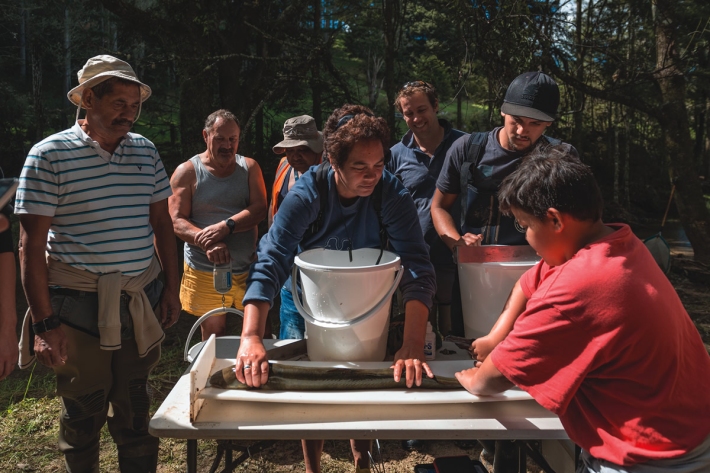
Hapū joins forces with NIWA in tuna research
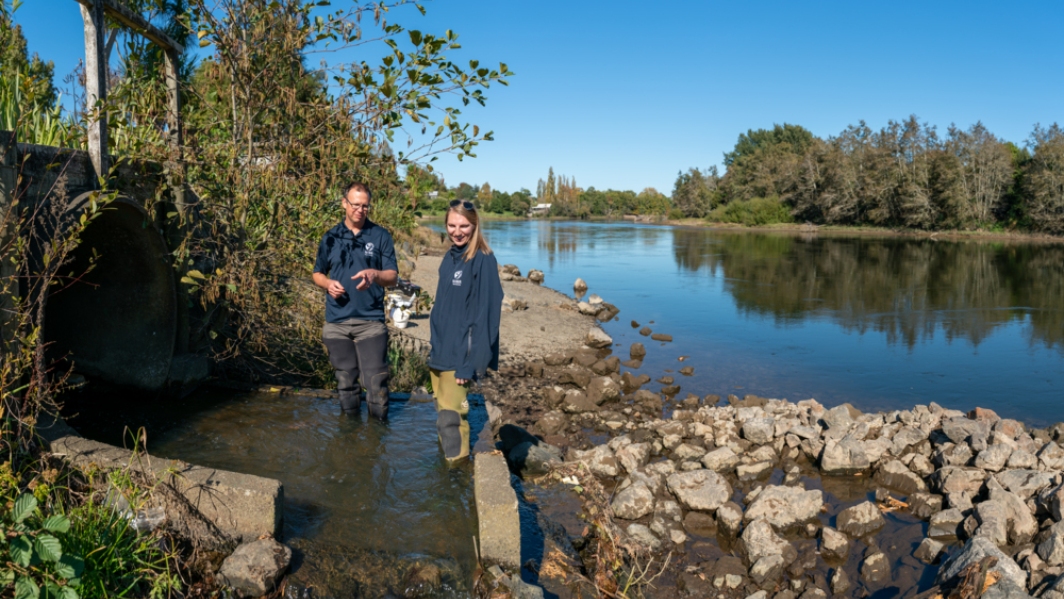
Feature story20 June 2017Local hapū and NIWA are working together to find out more about juvenile freshwater eels or tuna in streams connecting to the Wairua River in the Wairoa catchment in Northland. -
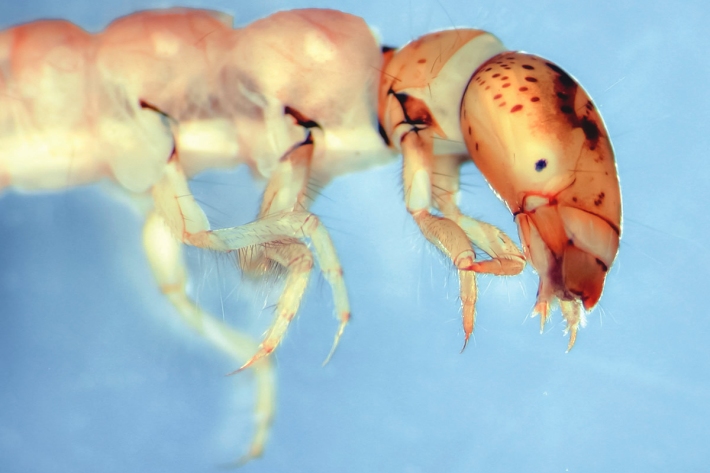
Q&A: Another way to measure river health
Feature story20 June 2017There’s another way of measuring the health of rivers – the health of invertebrate populations that need them, says John Quinn, NIWA Chief Scientist, Freshwater
and Estuaries. -

Erica Williams - Where the water is clean
Feature story20 June 2017Erica Williams' story starts with the website of Moerewa School, where pupil Tyra-Lee explains her connection to a very special place in her small Far North town. -
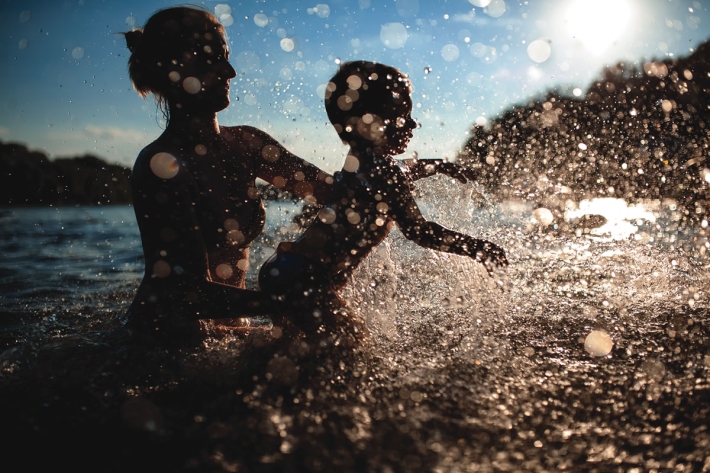
Raising the bar for swimmable rivers
Feature story20 June 2017The government has released the ‘Clean Water’ package of proposed reforms, aimed at making more of our rivers swimmable. But how is ‘swimmable’ to be measured, and do these measures stack up?