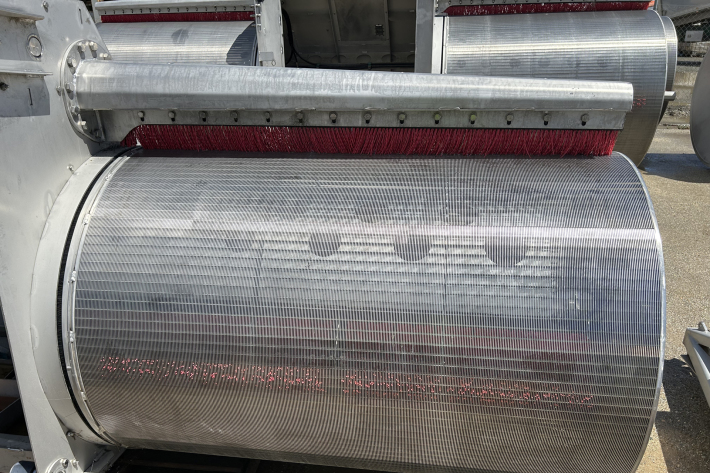
Guidance for enhanced fish protection around irrigation water intakes designed to safely direct fish past the intake
Water extraction for activities such as irrigation can harm fish populations if water intakes lack proper screening. Fish screen facilities play a crucial role in protecting native and sports fish by preventing them from entering irrigation systems. Because river conditions and fish species differ across locations, effective fish screening requires customised solutions that address local needs and infrastructure.
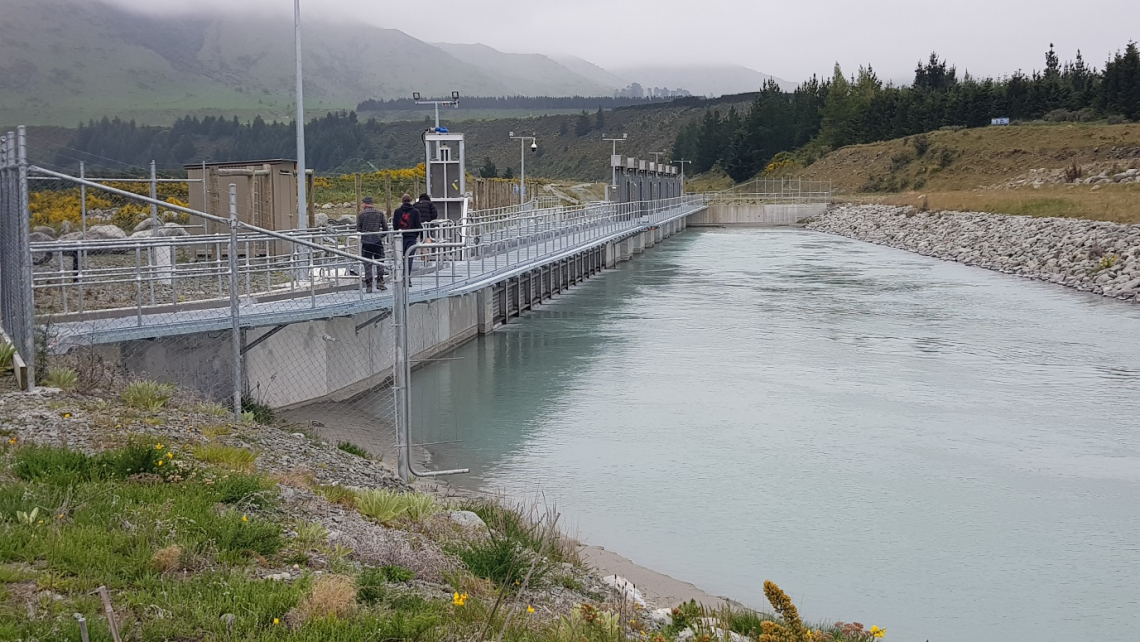
Why fish screen facilities matter
Freshwater ecosystems around the world are under increasing pressure from growing demands for water, and New Zealand is no exception. Irrigation—particularly in eastern regions such as Canterbury—accounts for much of the country’s freshwater use and plays an important role in supporting agricultural production. However, poorly designed or unscreened water intakes can unintentionally draw fish into irrigation systems, a process known as entrainment, which has been documented in New Zealand rivers, with impacts on native fish and juvenile salmon.
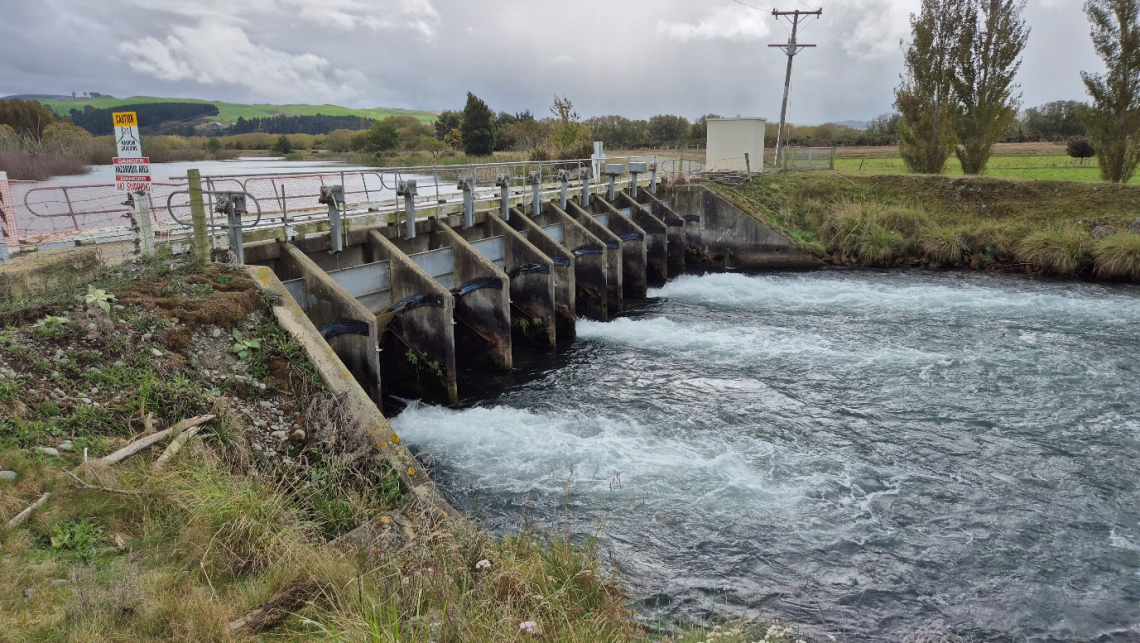
Fish screen facilities are designed to protect fish while allowing water to be safely and efficiently diverted for irrigation and other uses. Importantly, effective fish protection depends on more than just the screen itself. A fish screen facility includes the screen, water flows, bypass systems, intake layout, and maintenance requirements working together to guide fish safely past the intake.
A whole-of-facility approach
New Zealand rivers support a wide range of native and sports fish species, many of which migrate at vulnerable juvenile life stages. Because river conditions, fish communities, and water infrastructure vary widely between locations, there is no one-size-fits-all solution for fish screening. The most effective fish screen facilities are tailored to local conditions and designed around the species most likely to encounter them.
Earth Sciences New Zealand (formerly NIWA) has played a leading role in developing fish screening guidance for New Zealand. Early best-practice guidelines (Jamieson et al) introduced a “whole of intake design” approach, recognising that successful fish protection relies on multiple design elements working together. Ongoing research, field testing, and practical experience have refined this approach and informed new national guidance (Hickford et al), helping improve fish screen facility design across a range of environments.
Choosing the ‘best’ type of fish screen facility
There is no single fish screen facility that works for every site. More than ten different fish screen facility types are used or available in New Zealand, primarily for irrigation water intakes. Each has unique characteristics that influence where and how it can be used effectively.
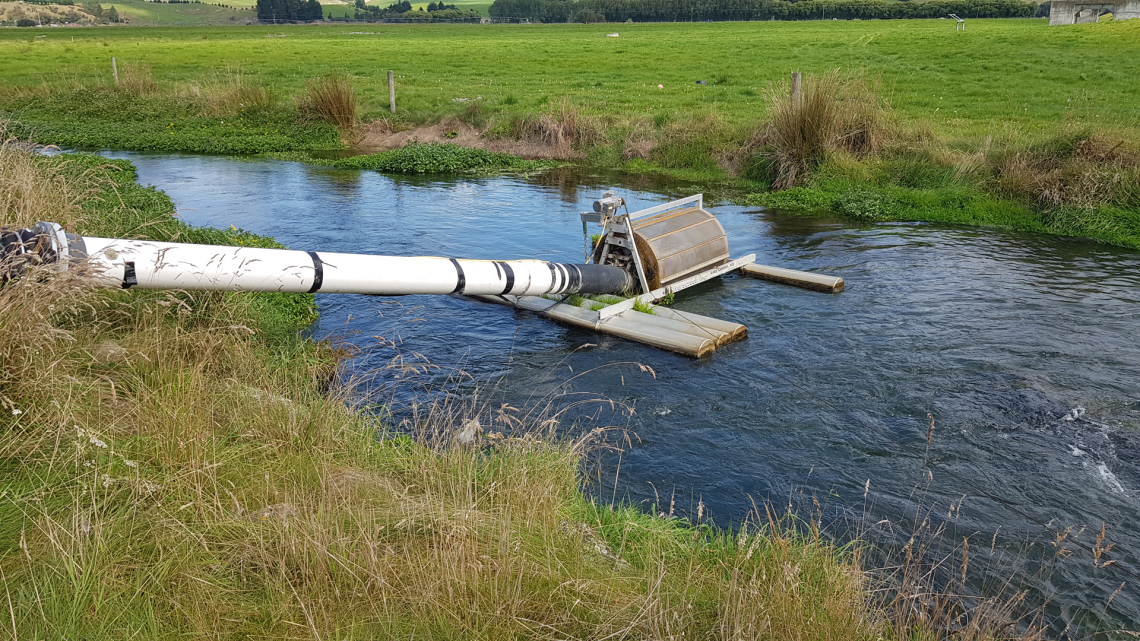
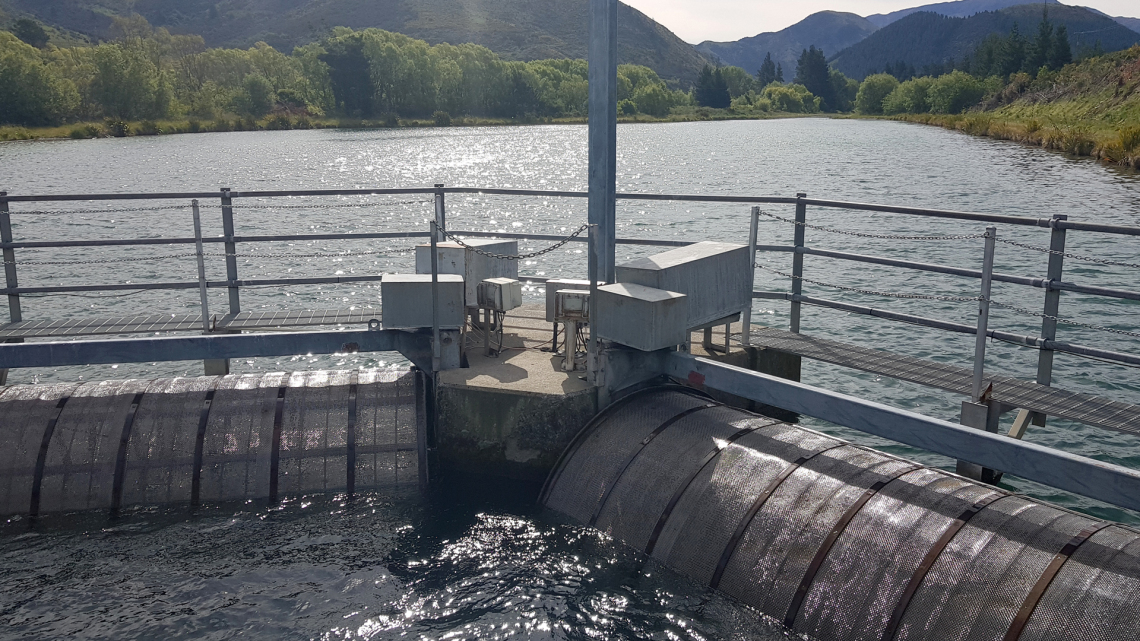
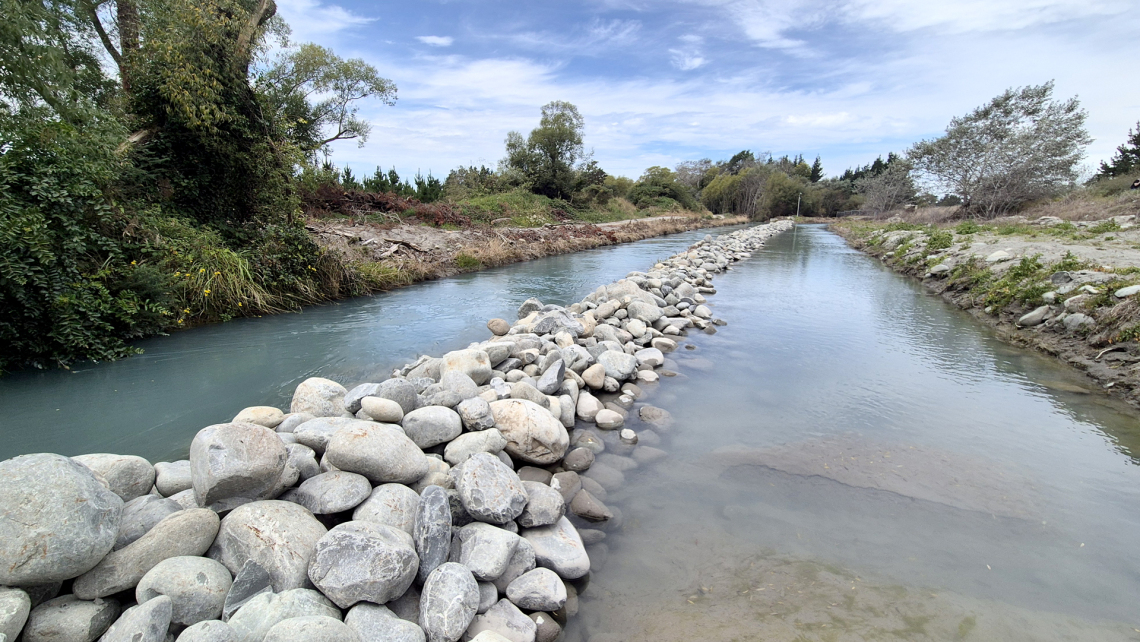
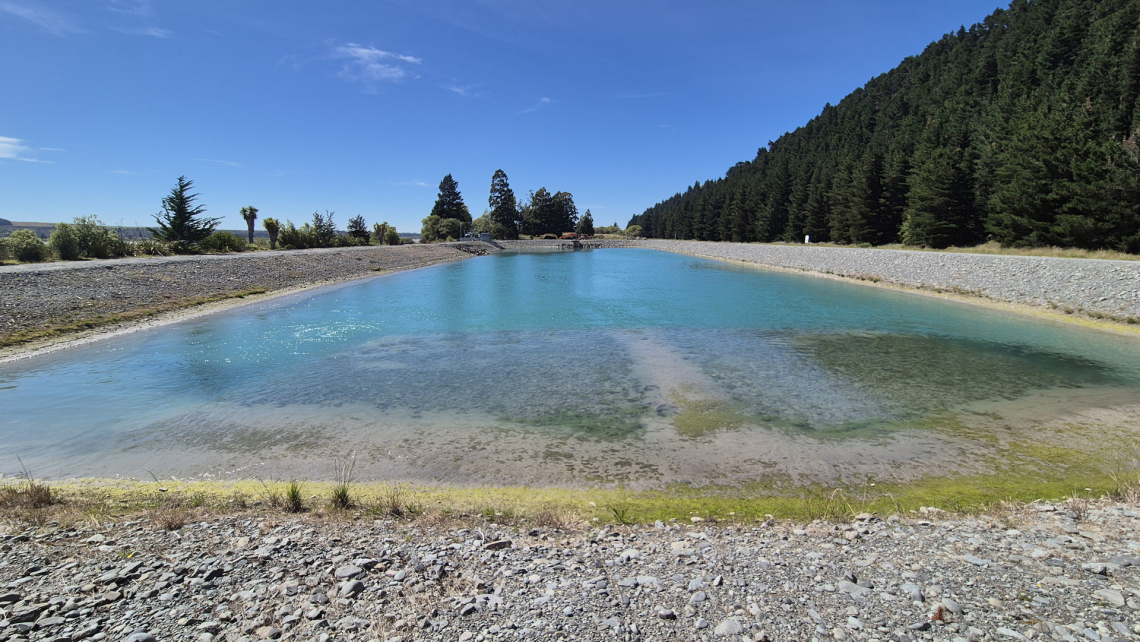
Choosing the right fish screen facility depends on a range of site-specific factors, including water flow, river depth, available gradient, fish species present, and operational needs. Some facilities require electricity, while others are passive. Some are better suited to handling debris or fluctuating flows, while others require more regular maintenance or active cleaning to remain effective.
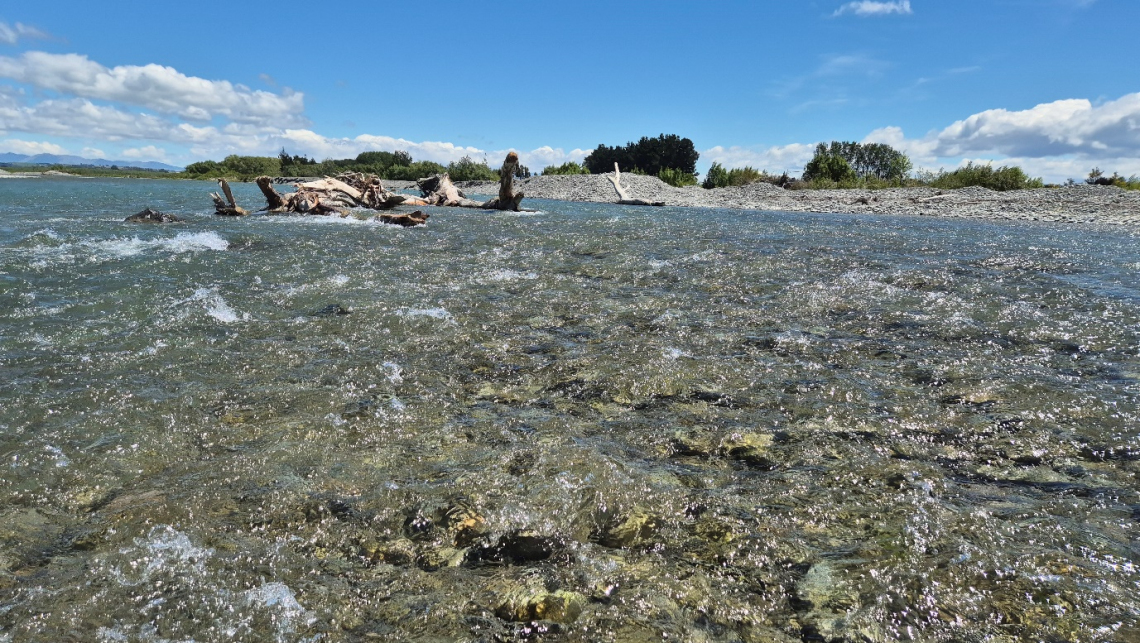
When selecting an appropriate fish screen facility, key considerations include:
- Flow range – the amount of water the facility can effectively manage
- Water depth and gradient – the conditions needed for the facility to operate properly
- Debris handling – how well the facility manages leaves, sediment, algae, and other material
- Power requirements – whether electricity is needed for operation or cleaning
- Site footprint – the space needed for installation and operation
- Fish bypass needs – whether a bypass is required and how much water it needs
- Screen position – where in the water column the screen operates
- Maintenance requirements – whether the facility is self-cleaning or requires regular manual cleaning
Because every intake site is different, selecting the most suitable fish screen facility often involves balancing biological, engineering, operational, and budget considerations.
Key principles of an effective fish screen facility
Good fish screening is about more than just the screen. Effective fish screen facilities balance several key design principles to protect fish while maintaining reliable water supply.
| Key Principle | What it means |
| Right location | Place intakes where fewer fish are likely to be affected. |
| Safe water flow | Water speeds should help fish avoid the intake and move safely past it. |
| Safe fish return | Provide a bypass to return fish safely to the river where needed. |
| Effective screen design | Screen openings should stop fish entering without causing harm. |
| Ongoing maintenance | Regular cleaning and upkeep keep facilities working effectively. |
| Fish movement | Facilities should not block migration or create additional risks for fish. |
The goal of a fish screen facility is simple: to keep fish safe while supporting sustainable water use. Successful designs balance local river conditions, fish species, infrastructure, performance requirements, and practical considerations to achieve the best outcome for both fish and water users.
-

Fish screening: principles of good design & operation
Effective fish screen facilities balance design principles to protect fish while maintaining reliable water supply. -
Fish screening: timing matters
Effective fish screen facilities adapt to ever-changing river conditions and fish populations. -
Fish screening: fish-led design
Effective fish screen facilities work with fish behaviour, not against it