
Effective fish screen facilities adapt to ever-changing river conditions and fish populations.
Timing matters: designing for changing rivers and fish migrations
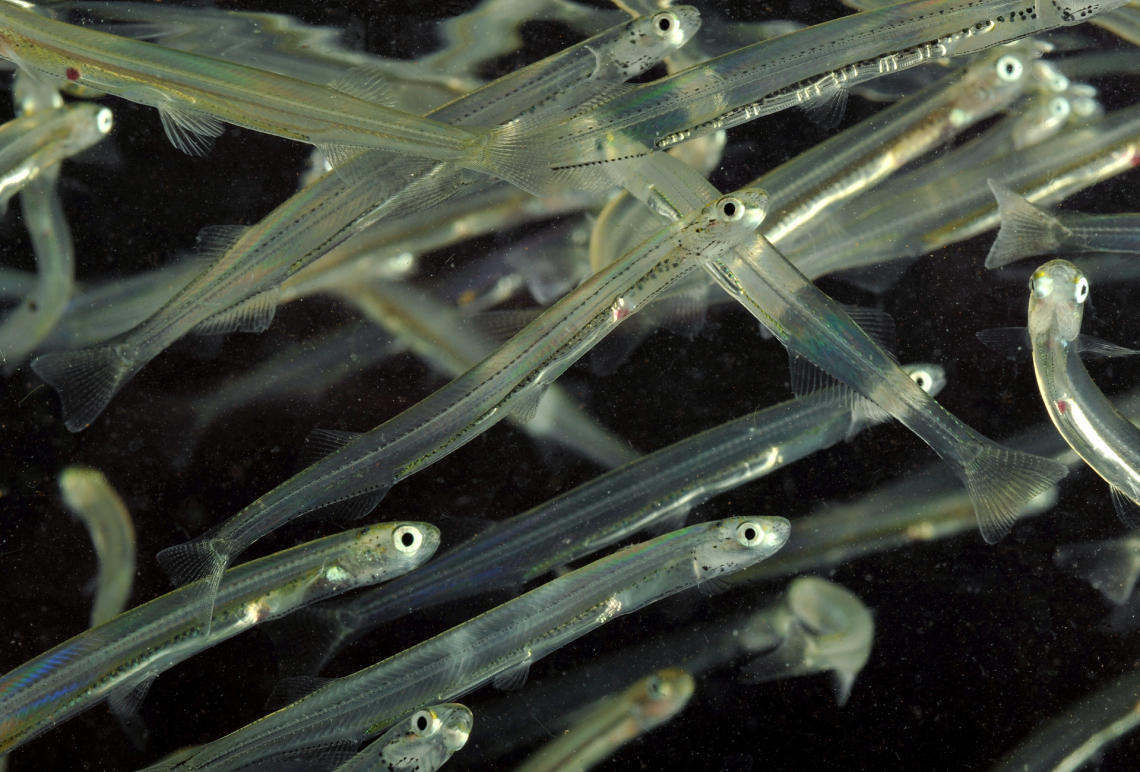
Fish screen facilities in New Zealand operate in dynamic environments where river conditions and fish communities change through time. River flows can shift rapidly due to rainfall, floods, droughts, and seasonal conditions, while many native and sports fish species migrate at predictable times of year – often as small juvenile life stages that are particularly vulnerable to water intakes.
This means fish screen facilities need to work effectively across a range of flows, seasons, and biological conditions, not just under ideal operating conditions. Understanding which fish are present, when they migrate, and how river conditions vary is an important part of designing a facility that performs reliably over the long term.
Key timing considerations
| Timing factor | Why it matters |
| Seasonal fish migrations | Small juvenile fish may only be present at certain times of year and may require finer screening or stronger bypass protection. |
| Changing river flows | Floods, freshes, and low flows can alter both fish communities and facility performance. |
| Variable water takes | Fish screen facilities should remain effective across both common and reduced consented take rates. |
| Changing risk through the year | Different fish species and life stages may require different levels of protection at different times. |
| Performance under extremes | Safe water flow and bypass performance should be maintained during both high and low flow conditions. |
Examples of seasonal fish movements
| Fish group | Typical migration period | Key design consideration |
| Whitebait species (e.g., īnanga, kōaro, kōkopu) | Mostly spring to autumn | Juveniles are small and vulnerable, requiring fine screening and effective bypasses. |
| Longfin and shortfin eels | Juveniles move upstream mainly spring–summer; adults move downstream autumn–winter | Consider both upstream and downstream life stages. |
| Lamprey | Adults migrate upstream; juveniles move downstream | Avoid barriers and consider different migration pathways. |
| Salmon and trout fry | Spring and summer | Juveniles may be vulnerable to entrainment near spawning streams. |
| Smelt and torrentfish | Seasonal upstream and downstream migrations | Timing of fish movement should inform intake location and facility operation. |
In many cases, typical operating conditions – such as common irrigation take rates and seasonal fish presence – should guide the core design of a fish screen facility. However, facilities also need to remain effective during floods, low flows, and peak migration periods to ensure fish continue to be protected as conditions change.
Because migration timing varies between catchments and regions, local ecological knowledge and information from the New Zealand Freshwater Fish Database should be considered when designing, operating, and maintaining fish screen facilities.