
Effective fish screen facilities balance design principles to protect fish while maintaining reliable water supply.
Intake location: getting the basics right
The location of a fish screen facility is one of the most important decisions in protecting fish. A well-positioned facility supports the best overall design outcome by reducing fish exposure to the intake, keeping fish within natural waterways wherever possible, and minimising how far water – and fish – are diverted away from the river.
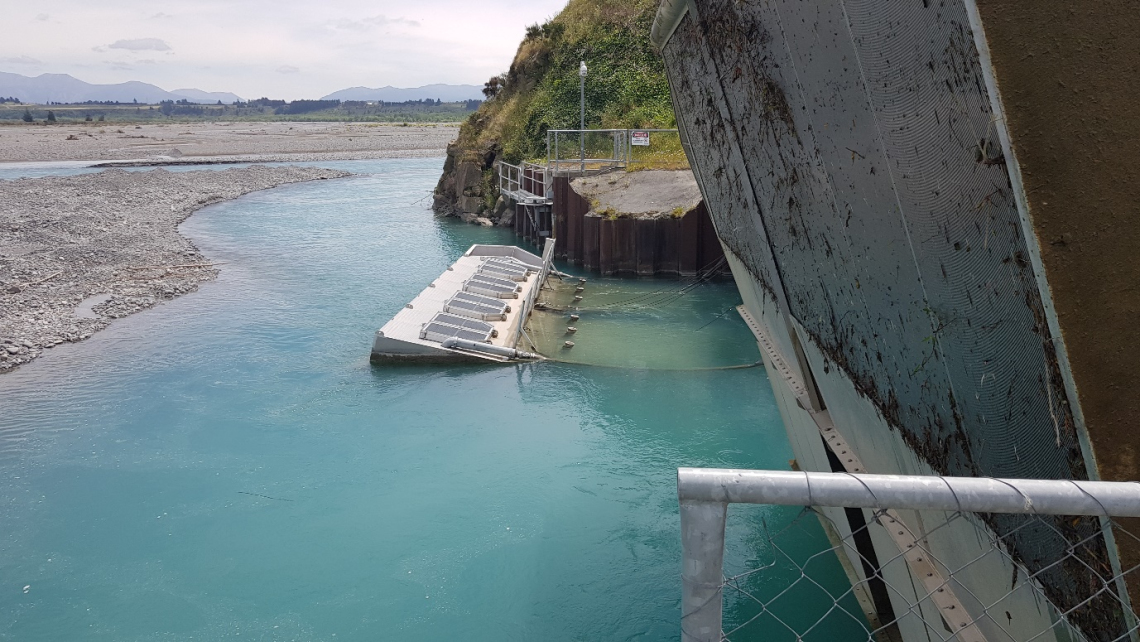
Because fish species and life stages vary between rivers and across seasons, intake location should consider which fish are present, when they are moving, and where they are likely to be in the water column. Many of New Zealand’s migratory fish are small and vulnerable to entrainment, particularly during juvenile life stages. Fish behaviour can also change between day and night, with some species moving near the surface, others near the riverbed, and many using slower water near riverbanks.
In general, effective fish screen facilities aim to:
| Design consideration | Why it matters |
| Locate intakes away from riverbanks | Many fish migrate or shelter in slower water near river edges, increasing entrainment risk. |
| Position intakes in the middle of the water column | Reduces interaction with species concentrated near the surface or riverbed. |
| Consider seasonal fish movements | Small migratory fish may only be present at certain times of year and need additional protection. |
| Match the design to local fish behaviour | Different species move upstream or downstream and occupy different parts of the water column. |
| Minimise time spent in intake channels | Fish should pass through the facility quickly to reduce stress and predation risk. |
| Provide a fast, shallow bypass where possible | Prompt return to the river is generally safer than slow, deep bypasses where predators may gather. |
| Avoid creating predator or resident fish habitat | Intake channels and bypasses should move fish through efficiently rather than attract predators such as trout, eels, or shags. |
Safe water flow: helping fish avoid the intake
Water flow is one of the most important parts of an effective fish screen facility. The goal is to create flow conditions that help fish avoid the screen, move safely past the intake, and quickly return to the river if a bypass is needed.
Two types of water movement are important:
- Through-screen flow – the water moving through the screen into the intake. This should be slow enough to allow fish to avoid being pulled onto the screen or into the intake.
- Sweep flow – the water moving along the face of the screen. This should guide fish safely past the intake and towards a bypass or back into the main river flow.
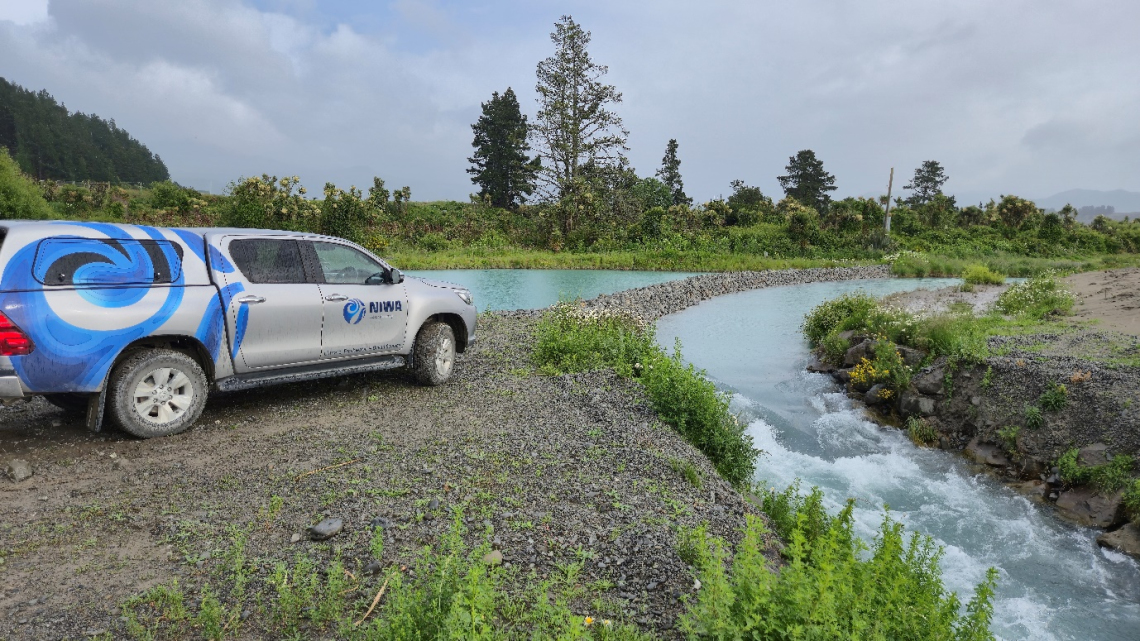
A well-designed fish screen facility balances these flows, so fish spend as little time as possible near the screen. In general, sweep flow should be stronger than through-screen flow to encourage fish to move safely downstream rather than becoming trapped against the screen.
| Safe water flow principle | Why it matters |
| Slow through-screen flow | Gives fish time to swim away from the screen and reduces entrainment risk. |
| Strong sweep flow | Helps move fish quickly along the screen and toward a bypass or safe river flow. |
| Correct flow balance | A stronger sweep flow relative to intake flow reduces fish contact with the screen. |
| Single-pass movement | Fish should move safely past the screen without being repeatedly exposed to it. |
| Avoid eddies and dead zones | Poor flow patterns can trap fish near the intake or return them to the screen. |
Fish screen facilities may also include features such as louvers or angled screens to help guide fish and debris away from the intake. Because fish behaviour and swimming ability vary between species and life stages, the ideal water flow depends on the fish present and local site conditions.
Fish bypasses: returning fish safely to the river
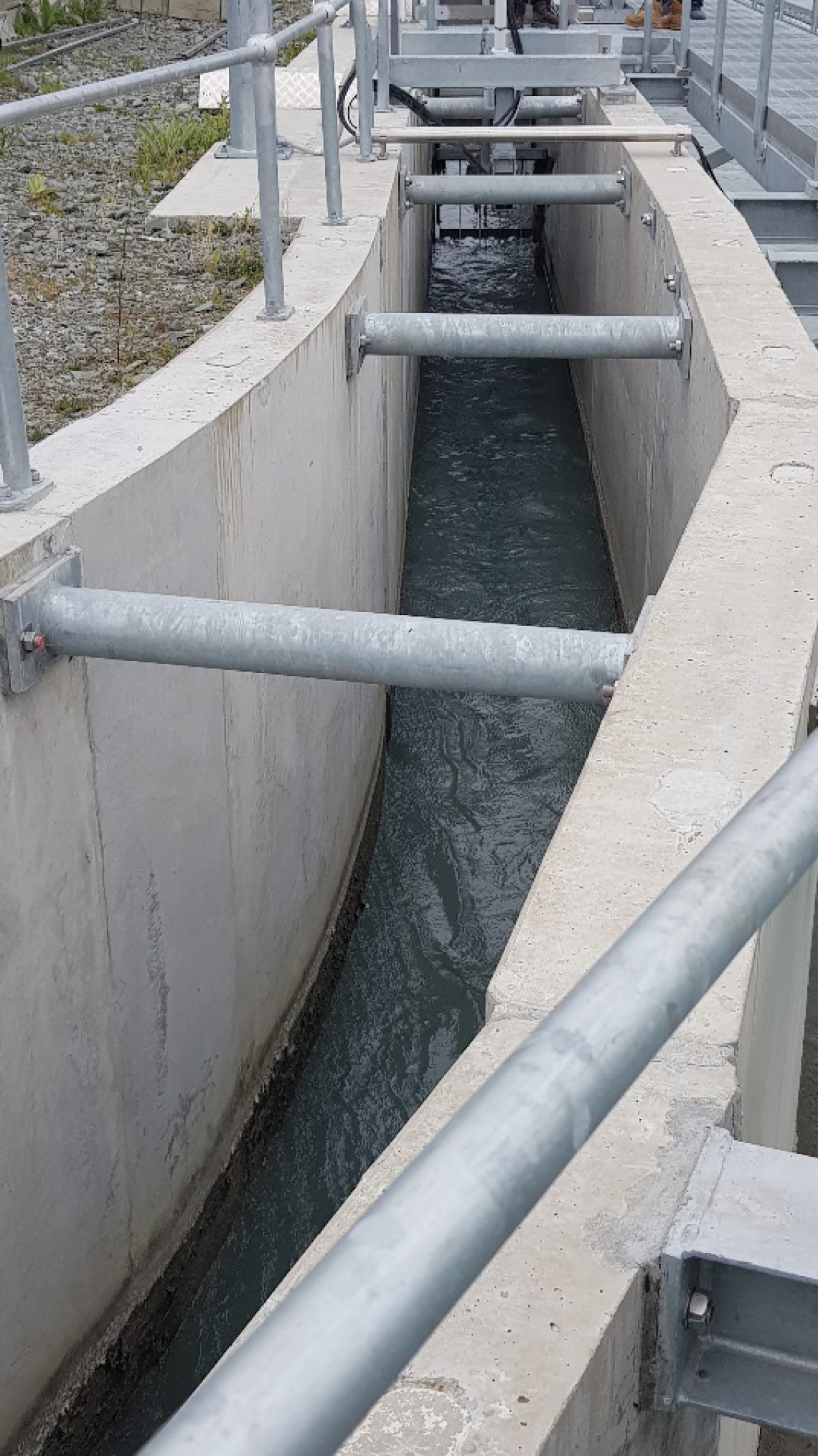
Where fish are diverted away from the main river flow, a fish bypass is needed to return them safely and quickly to the waterway. The best fish screen facilities keep fish in the river where possible, but where diversion is unavoidable, bypasses are a critical part of the overall design.
An effective bypass should be:
| Bypass principle | Why it matters |
| Easy for fish to find | Entrances should sit at the downstream end of the screen and align with fish movement. |
| Open and accessible | Fish are more likely to use open, well-lit entrances than enclosed pipes or dark spaces. |
| Fast-flowing and efficient | Fish should move quickly through the bypass to reduce stress and predator exposure. |
| Safe and smooth | Avoid sharp bends, steep drops, rough surfaces, and sudden turbulence that may injure fish. |
| Connected to active river flow | Fish should return directly to flowing water rather than isolated or shallow areas. |
| Resistant to predation | Bypass channels should avoid creating habitat where predators such as trout, eels, or shags can concentrate. |
In general, narrow, shallow, faster-flowing bypasses are preferred over slow, deep channels, as they return fish more quickly and reduce opportunities for predators to gather. Bypass outlets should also be designed to avoid excessive drops or impacts onto hard surfaces.
Screen openings: stopping fish from entering safely
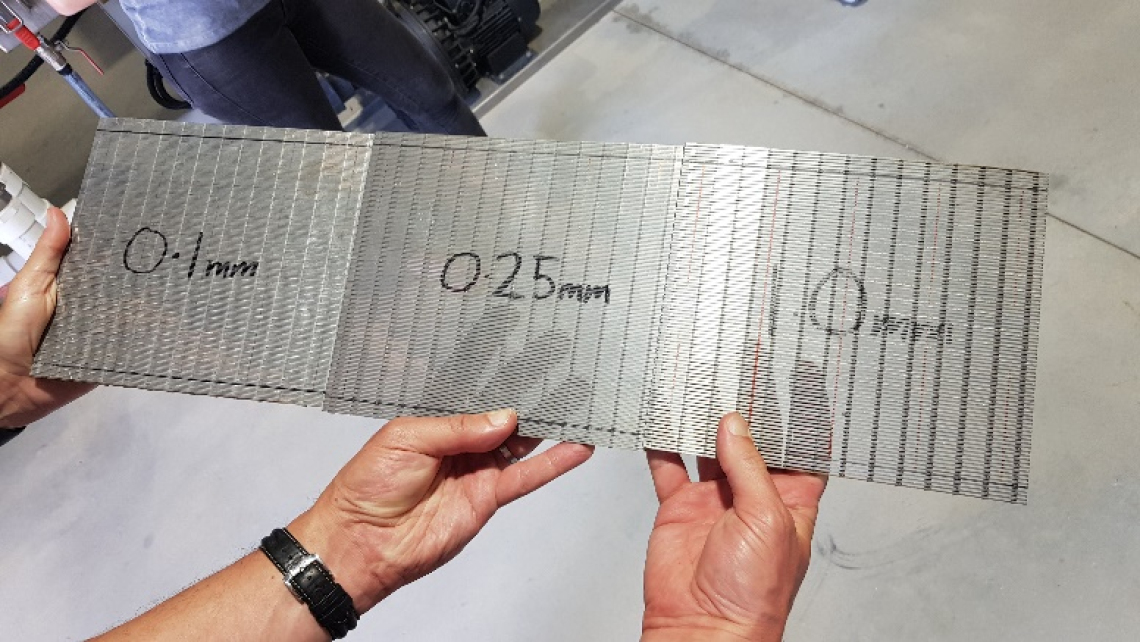
The size of screen openings (or apertures) is critical to preventing fish from entering water intakes. Screen openings need to be small enough to exclude fish while still allowing water to pass efficiently. Importantly, protection depends on the whole fish screen facility, not just mesh size – small fish can sometimes squeeze through surprisingly narrow gaps, and weak flow conditions may still result in entrainment.
Good fish screen facility design also ensures there are no gaps around edges, hinges, seals, or joins where fish can enter unintentionally.
Recommended screen opening sizes
The most suitable screen opening depends on where the intake is located in the catchment and which fish species are present. Smaller migratory fish, such as whitebait and glass eels, are typically found in lower catchments and require finer screening.
| Location / fish present | Recommended screen opening |
| Lower catchments (where whitebait and glass eels are present) | 1.5 mm wedge-wire |
| Mid-catchments (above tidal influence) | 2 mm wedge-wire |
| Upper catchments / inland areas | ≤ 3 mm wedge-wire (depending on species present) |
In many situations, aperture size alone will not fully protect the smallest fish. Where vulnerable life stages are present, stronger safe water flow and well-designed bypasses are equally important for preventing fish entrainment and injury.
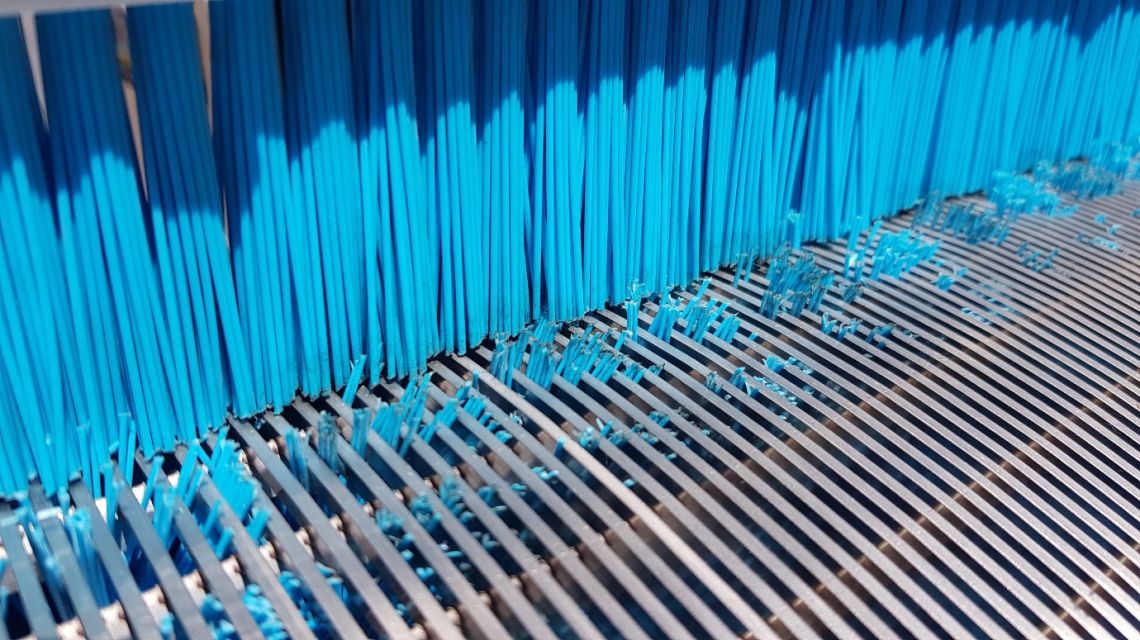
Wedge-wire screens are commonly recommended because they provide smooth surfaces that reduce fish injury and have been shown to perform well over time under New Zealand conditions.
Operations and maintenance: keeping fish screen facilities working
A fish screen facility only protects fish if it continues to work as intended. Regular operation, inspection, and maintenance are essential to ensure fish remain safely excluded from water intakes and returned to the river where needed.
Over time, debris, sediment, algae, flood damage, and wear on seals or screen materials can reduce performance. Even a well-designed fish screen facility can become ineffective if it is not regularly maintained.
Good operation and maintenance should include:
| Maintenance priority | Why it matters |
| Regular inspections | Routine checks help identify wear, damage, or reduced performance before problems occur. |
| Debris and sediment removal | Build-up on screens or around intakes can alter water flow and increase fish risk. |
| Maintaining safe water flow | Through-screen and sweep flows should continue to operate within design limits. |
| Checking seals and gaps | Damaged seals, hinges, or edges can create openings where fish may enter. |
| Flood and low-flow readiness | Facilities should continue working across changing river conditions without overtopping or failing. |
| Contingency planning | Plans should be in place to repair flood damage quickly while maintaining fish protection. |
Some parts of a fish screen facility, such as intake location, remain fixed once installed. Others – such as screen performance, water velocities, bypasses, and debris management – require regular monitoring to maintain effectiveness. A poorly maintained facility may no longer protect fish, even if it was initially well designed.
Upstream fish passage: balancing protection and migration
Fish screen facilities are designed to protect fish from entering water intakes, but they can sometimes create unintended challenges for fish moving upstream. Where a fish screen facility includes a diversion channel and bypass, migrating fish may treat the bypass as an alternative pathway and attempt to move upstream through the intake system.
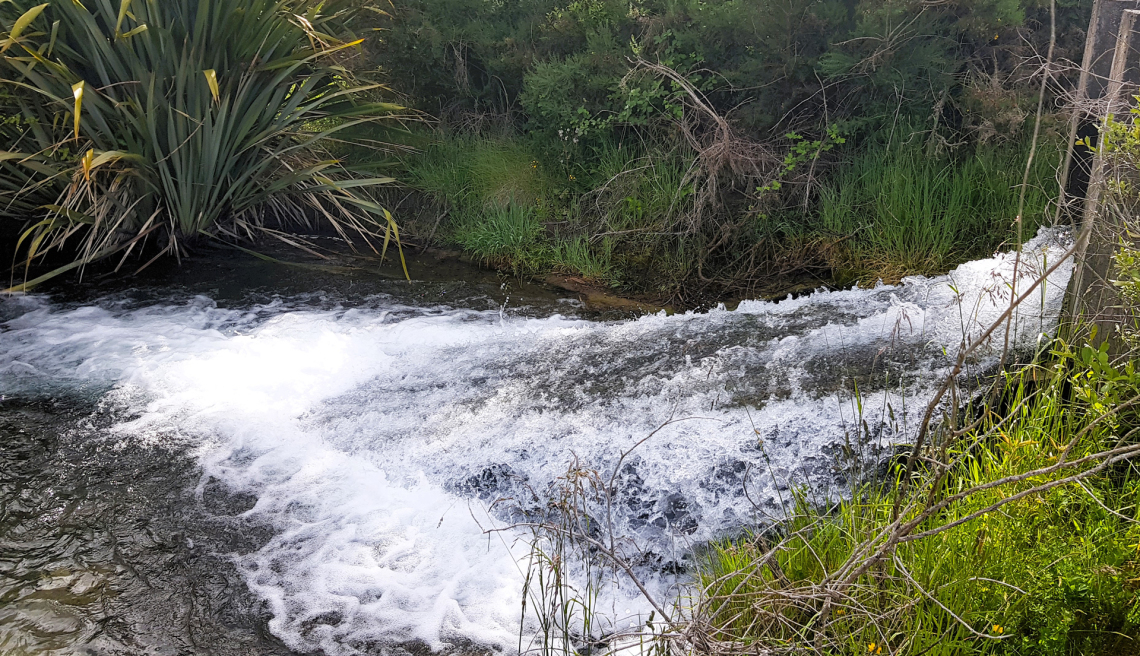
Good fish screen facility design aims to protect downstream-moving fish while avoiding unnecessary barriers to natural migration. Features such as steep drops, high water velocities, sharp corners, overhanging edges, shallow disconnected flows, and physical obstructions can all make upstream movement difficult for migratory fish.
Designing for upstream fish passage often involves balancing competing objectives. For example, strong sweep flows are important for guiding fish safely past screens and reducing entrainment risk, but these same flows may create barriers for small juvenile fish attempting to move upstream through a bypass.
| Upstream fish passage consideration | Why it matters |
| Avoid steep drops and barriers | Vertical falls, perched outlets, and obstructions can block upstream migration. |
| Manage water velocities carefully | Water should guide fish safely downstream without creating unnecessary barriers to upstream movement. |
| Design smooth, fish-friendly pathways | Sharp corners, turbulence, and overhanging edges can discourage or prevent migration. |
| Consider species and timing | Different fish species migrate at different times and have varying swimming and climbing abilities. |
| Keep fish in natural waterways where possible | Bypass systems should return fish safely to the river without drawing them into artificial migration routes. |
In many situations, the preferred outcome is for fish to remain in the natural waterway, rather than migrating into bypass systems. Bypass outlets may therefore be designed to discourage upstream movement while still ensuring downstream-moving fish are returned safely and without injury.
Because upstream passage requirements vary between sites and species, successful design depends on understanding the local fish community, migration timing, and movement behaviour. In some situations, additional regulatory approvals may be required if new structures such as weirs, culverts, or diversion features could affect fish passage.