-

Scientists examine high winds on Auckland Harbour Bridge
Media release27 April 2021When high winds on the Auckland Harbour Bridge last September caused two trucks to topple over, one into a load-bearing strut, NIWA scientists began thinking about what role they could play in preventing it from happening again. -
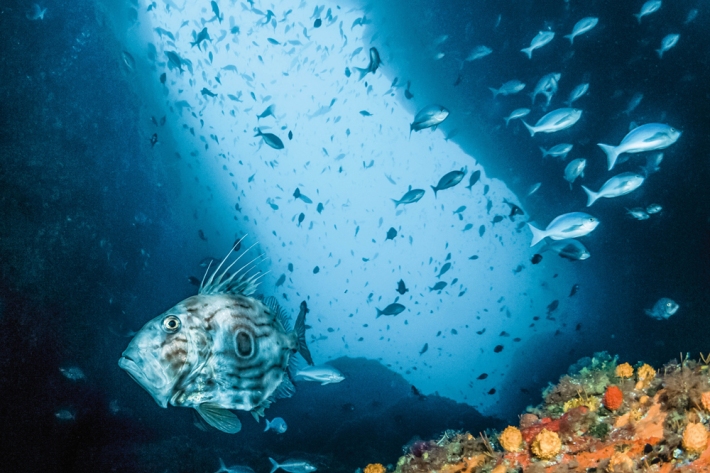
Marine reserves join ocean acidification network
Media release22 April 2021A joint NIWA and Department of Conservation (DOC) project is extending New Zealand’s ocean acidification monitoring network to include marine reserves. -
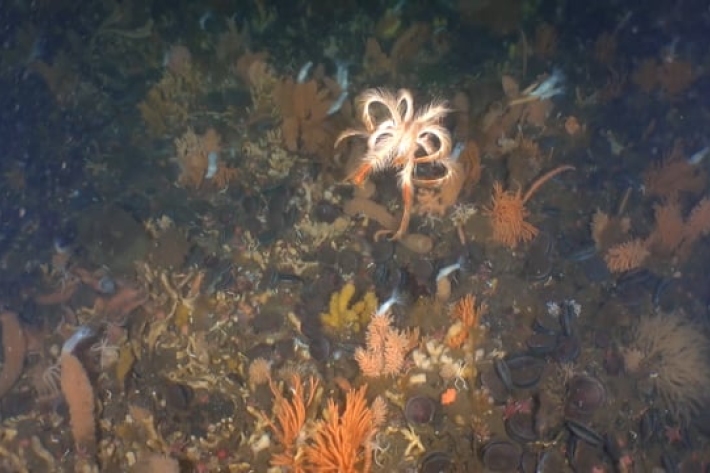
Life under the Ross Sea ice
NIWA researchers are using remote underwater cameras to uncover the rich diversity of life under the Ross Sea and they are amazed at what they are finding in these chilly Antarctic waters. -
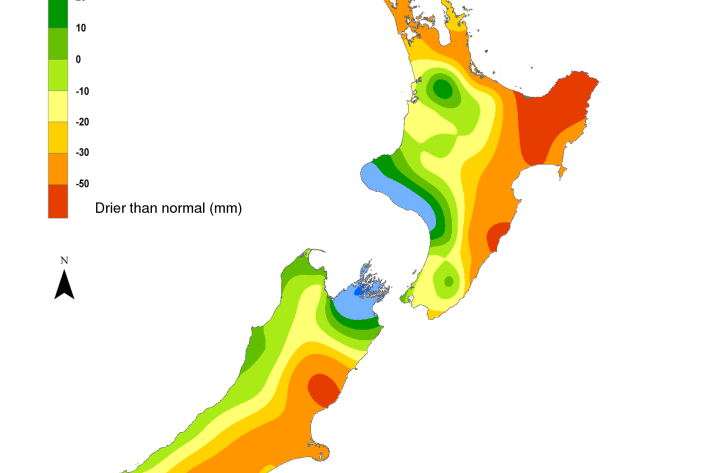
Hotspot Watch 9 April 2021
Hotspot09 April 2021Final Hotspot Watch update for this season. Weekly Hotspot Watches will return in the spring. -
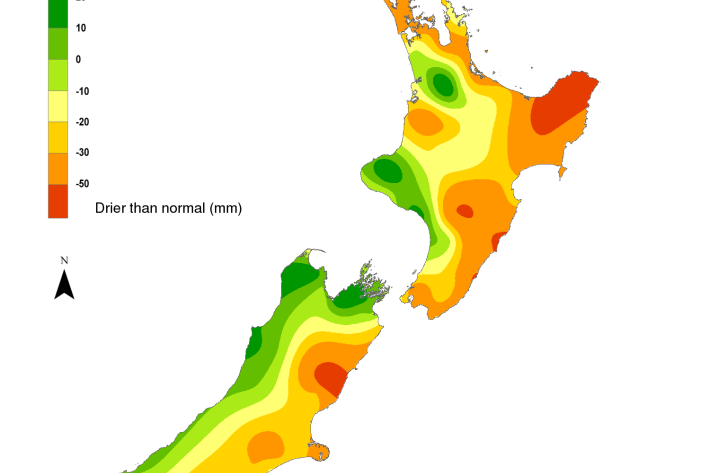
Hotspot Watch 1 April 2021
Hotspot01 April 2021A weekly update describing soil moisture patterns across the country to show where dry to extremely dry conditions are occurring or imminent. Regions experiencing significant soil moisture deficits are deemed “hotspots”. Persistent hotspot regions have the potential to develop into drought. -

Community Air Watch Arrowtown
Research ProjectCommunity Air Watch Arrowtown enables members of the public to use new technologies to participate in studies of air quality. -
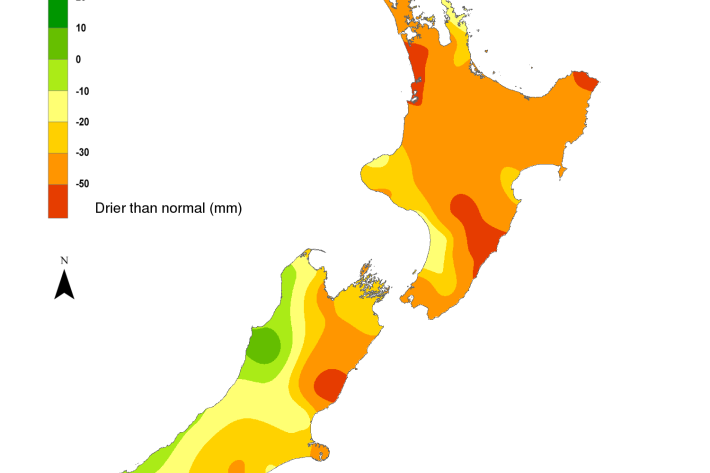
Hotspot Watch 26 March 2021
Hotspot26 March 2021A 26 March 2021 update to describe soil moisture patterns across the country and to show where dry to extremely dry conditions are occurring or imminent. -
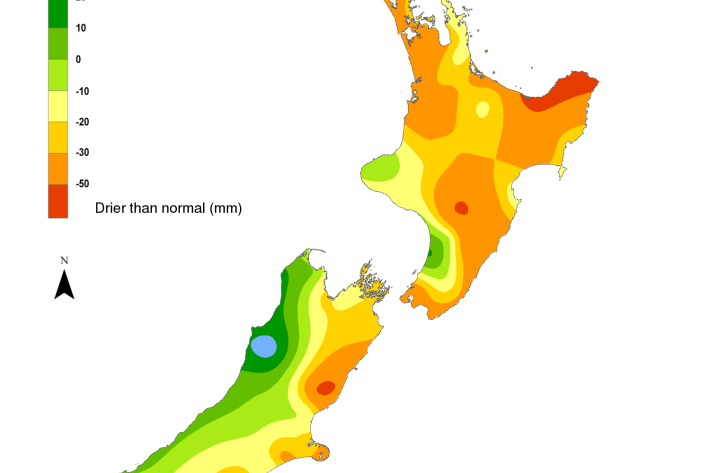
Hotspot Watch 18 March 2021
Hotspot19 March 2021A weekly update describing soil moisture patterns across the country to show where dry to extremely dry conditions are occurring or imminent. -
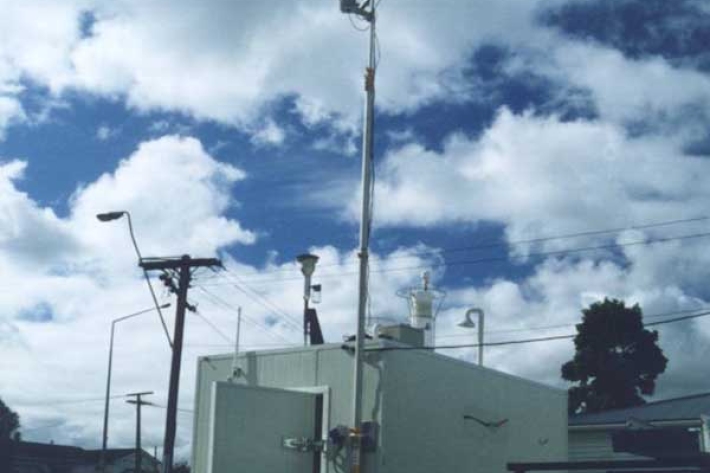
Schools Air Watch
Research ProjectSchools Air Watch enables school classes to use new technologies to participate in a study of air quality in their own community. -

Community Air Watch Invercargill
Research ProjectCommunity Air Watch Invercargill enables members of the public to use new technologies to participate in studies of air quality. -
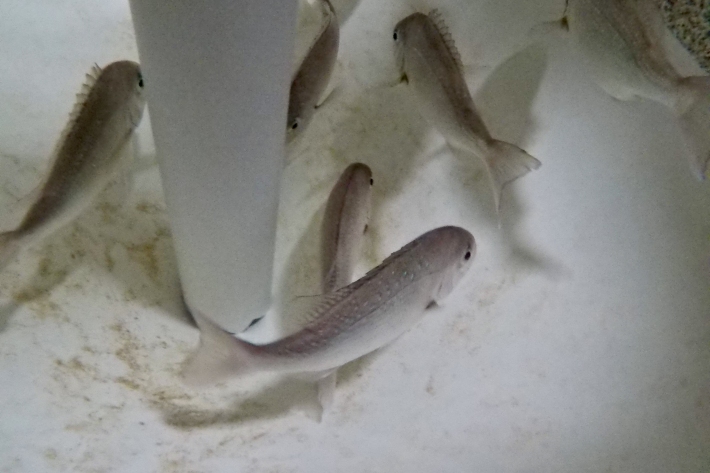
Research finds microplastics in fish muscle tissue
Media release18 March 2021Some of the first research into how microplastics are affecting New Zealand fish species has revealed that microplastic fragments can find their way through the gut lining and into muscle tissue.