-
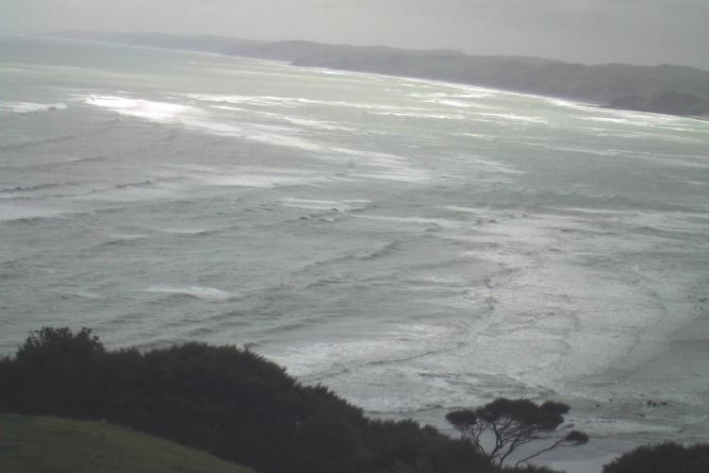
Raglan A
This web camera is available thanks to the support of Waikato Regional Council. -

Obtaining climate data from NIWA
NIWA maintains the national climate database for New Zealand, and can supply data in a variety of ways. -
The Intergovernmental Panel on Climate Change (IPCC)
Education ResourceThe Intergovernmental Panel on Climate Change (IPCC) is charged with assessing the most up to date scientific, technical and socio-economic research on climate change. -
Coralline Algae
This identification guide covers the common crustose coralline algae found in central New Zealand. -
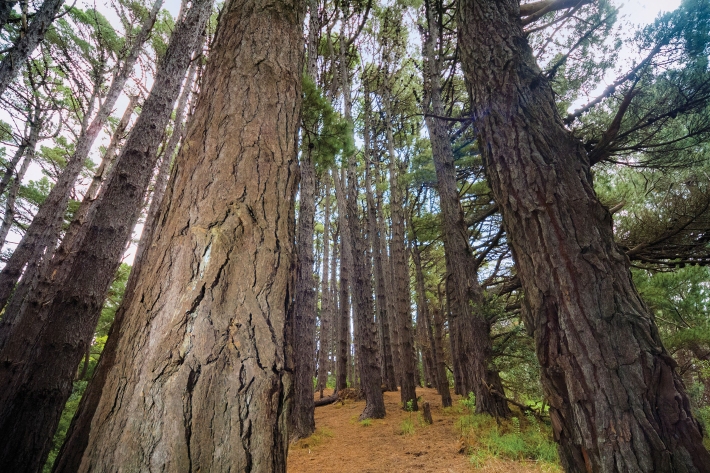
Native forests absorbing more carbon dioxide
Media release06 June 2017New Zealand’s forests and other land areas may be absorbing up to 60% more carbon dioxide than has been calculated, with much of this uptake likely occurring in native forests, NIWA scientists have discovered. -
Sediment and agriculture
How may agricultural activities increase sediments in waterways? -
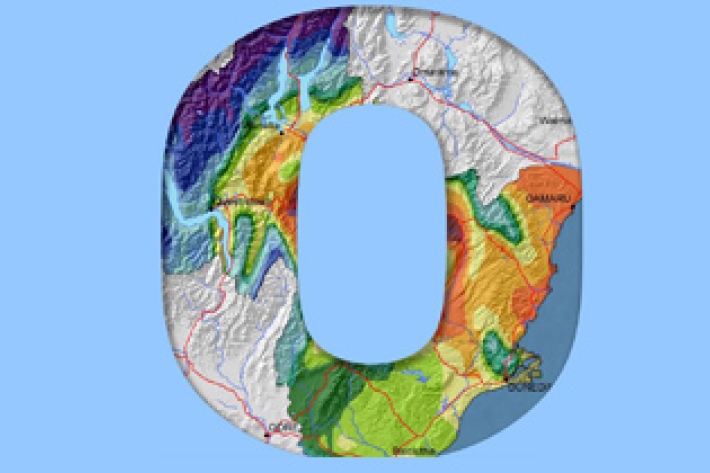
Otago
The climate of Otago is perhaps the most diverse of any region in New Zealand. -
Tuna - diet
Longfin eels are the largest and longest-lived fish in New Zealand's freshwaters, and where they are present they are the top predator. -

What is Kaitiaki Tools?
Kaitiaki Tools is a guide to teach people (especially hapū and iwi groups) who manage the resource consent process. -
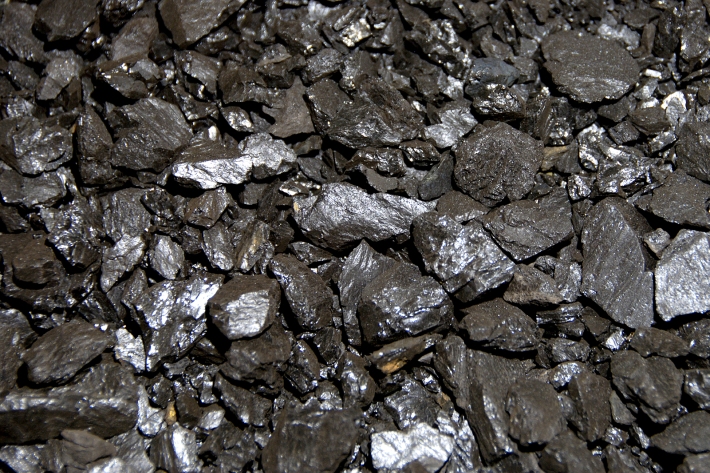
Mining
Mining is the extraction of metal and mineral resources, such as gold, coal, petroleum, and ironsand