-
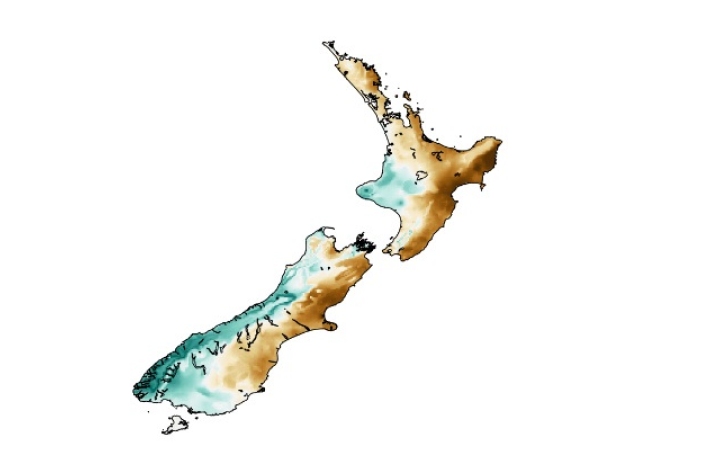
El Niño maps and charts
View a collection of maps showing the impact of past El Niño and La Niña events. -

Lake Ōmāpere and the Utakura River
Tuna harvested from Lake Ōmāpere and Utakura River catchment have long comprised an important fishery for tangata whenua. -
CASAL
CASAL is an advanced software package developed by NIWA for fish stock assessment. -
Our mission
NIWA's mission is to conduct leading environmental science to enable the sustainable management of natural resources for New Zealand and the planet. -
Mean monthly temperatures (°C)
These datasets are available in a range of formats. -
NIWA staff profile: Nava Fedaeff
Feature story06 June 2017At the age of seven, NIWA’s youngest climate scientist, Nava Fedaeff, swapped sub-arctic Siberia for balmy Auckland – and her first job was to learn to swim. -
Tuna - identification
There are several ways to tell the three New Zealand eel species apart. -
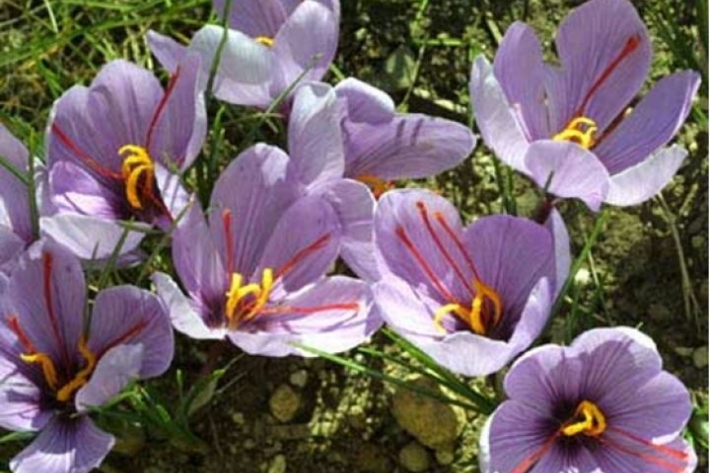
Assessment of crop and tree species growing potential using climate, soil and topographic information
Research ProjectThis project demonstrates how to assess high value alternative land-use options by means of a quantitative analysis of the growing potential of selected niche crops and tree species. -
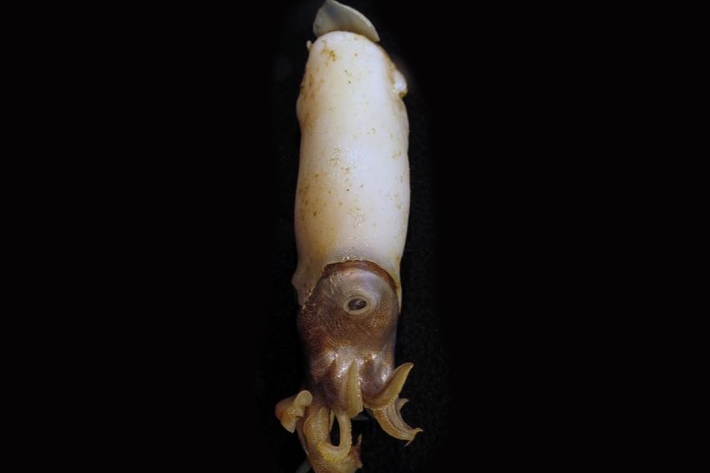
Critter of the week
In this blog series, we feature a new critter from our expansive invertebrate collection including pictures of specimens in their unique habitat. The blogs also feature news, links and fun facts that showcase New Zealand’s fascinating marine fauna. -
Piharau
Piharau/kanakana are an important mahinga kai species and a prized delicacy for many Māori.