-

NOAA Satellite data
Like the GMS satellite, the NOAA Series of polar orbiting satellites (operated by NOAA, the US National Oceanic and Atmospheric Administration) are a component of the World Weather Watch meteorological satellite network. -

Tuna - life cycle and leptocephalii
Freshwater eels have an unusual life cycle which sees them travelling between the ocean, estuaries and freshwaters. -
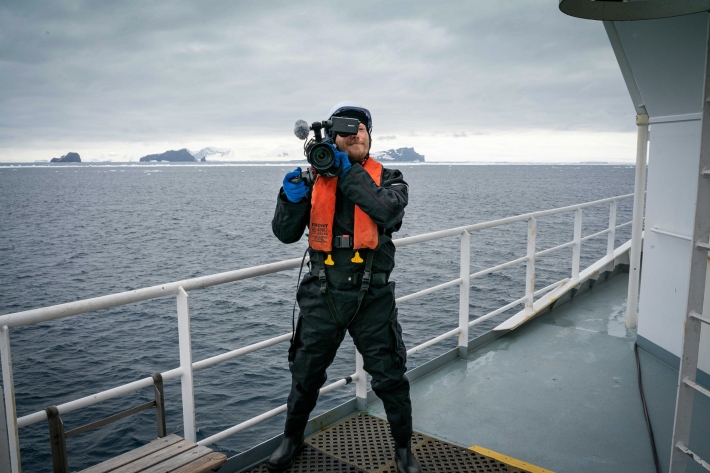
Support
We have a range of exciting career pathways with our professional Support Service. -
Map Sw North
Education ResourceBecause of its exposure to disturbed weather systems from the Tasman Sea, this climate zone is often quite windy, but has few climate extremes. -
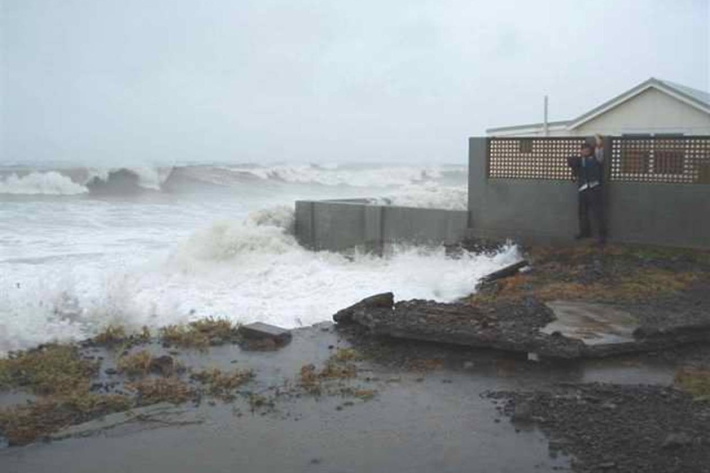
Planning for coastal adaptation
ServiceCoastal risk exposure for New Zealand, adaptation guidance for local government and relevant summaries of previous court cases and Building Act 2004 determinations. -
Summer Series 7: Beware! The golden triangle of the bronze whaler
News article06 June 2017 -
NZ from Space - About
AQUA and TERRA are polar orbiting satellites that both pass over New Zealand twice per day. -
Summer Series 5: Paua is a summer delicacy. Dig deep for the blackfoot sea snail!
News article06 June 2017 -
Mitigation and best practice options
Here are some simple steps to minimise the effects of dairying on water quality and mahinga kai. -
Urbanisation activities
Urbanisation has changed the face of many waterways that flow through urban areas -
How deep is the snow at your place?
Measurements of snowfall at low elevations around New Zealand are few and far between, and yet the data would be really helpful in understanding how snowfall occurs and quantifying snow-related risks.