-

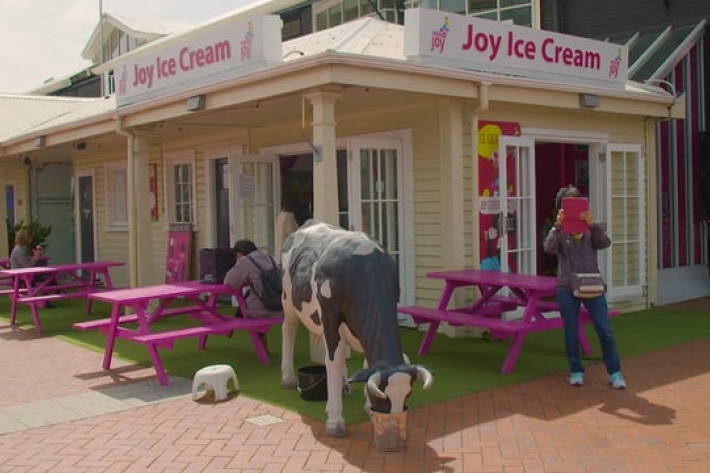
Water take
Water take (also known as water abstraction) has a range of valuable public and private uses. -
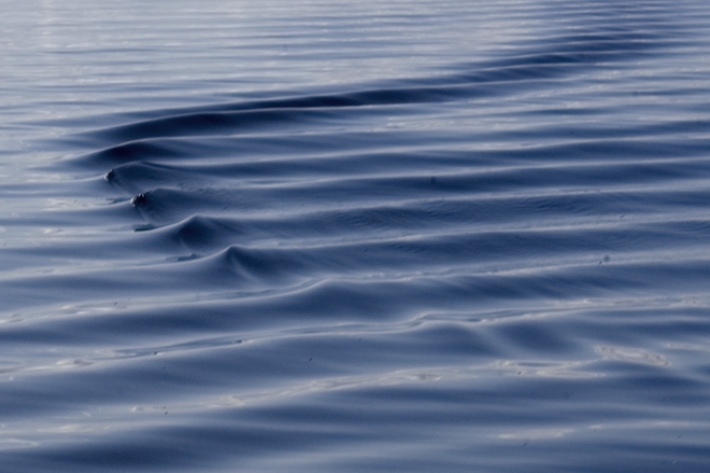
When fresh water meets salty water
When fresh water meets salty water - a classroom exercise that explores the physics of estuaries. -
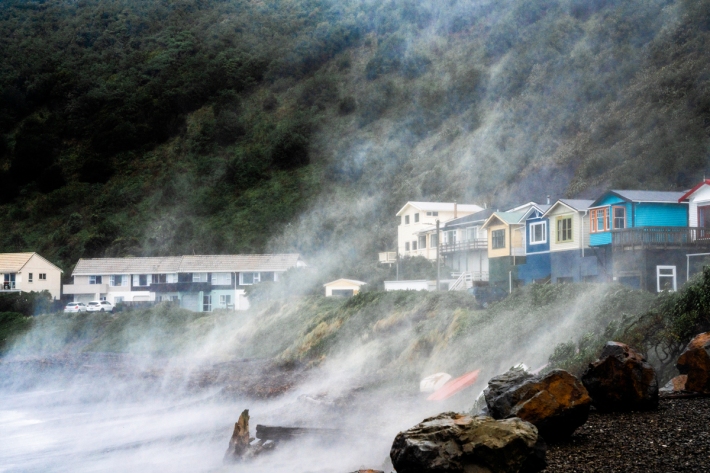
Coastal storm inundation
Education ResourceNew Zealand has low-lying coastal areas that are vulnerable to inundation (flooding) by the sea. -
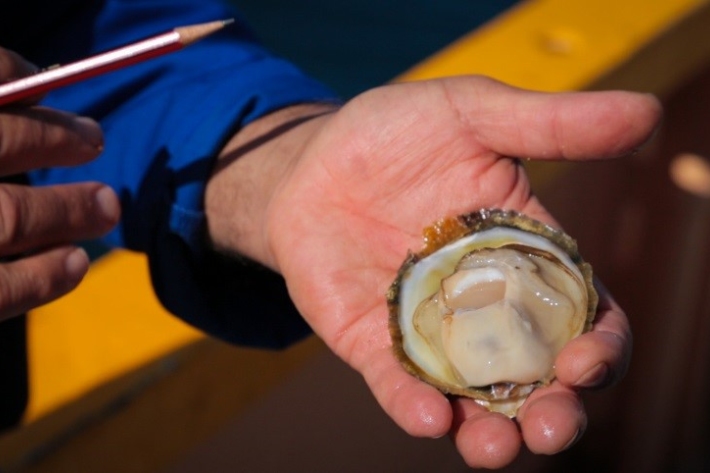
Questions and answers about oyster disease Bonamia ostreae
Media release06 June 2017NIWA is today issuing some scientific information on the parasite Bonamia ostreae, recently discovered in Big Glory Bay, Stewart Island, and the risk it poses to the Bluff oyster fishery. -
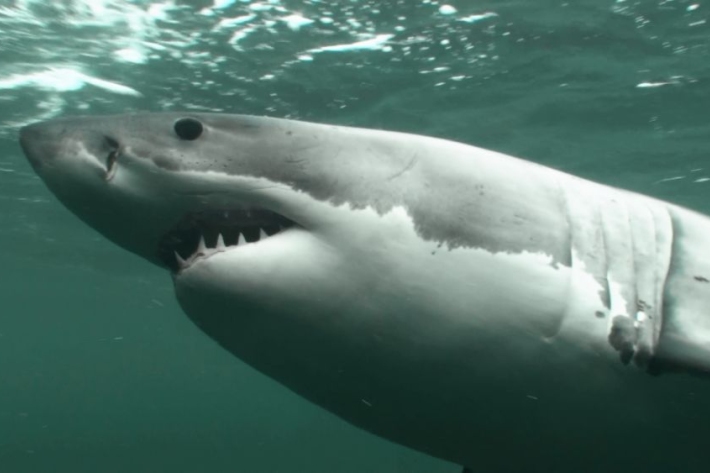
White sharks
Research ProjectWhere and when do white sharks occur in New Zealand waters, and how can fisheries bycatch be reduced? -
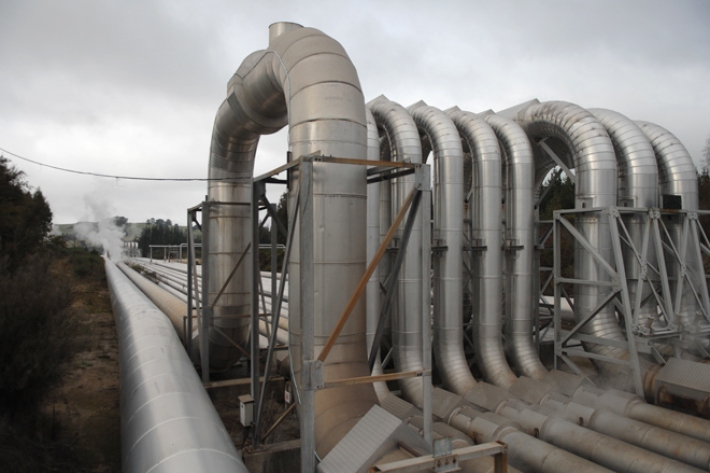
What is the proposed activity or industry?
Various industries and land use activities have the potential to impact on water quality and mahinga kai unless properly managed. -
Tuna - tuna heke (downstream migrants)
Once eels become migrants (also known as tuna heke or tuna whakaheke) they stop feeding, and progressively develop the external features that clearly distinguish them from 'feeders'. -
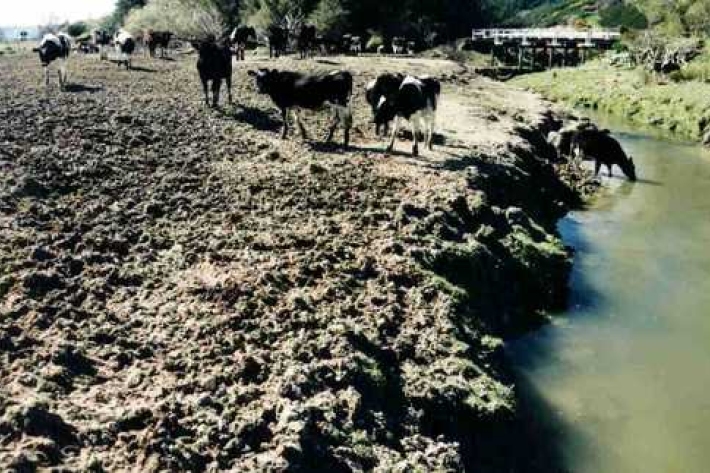
Loss of riparian vegetation
Plants and trees along the water margins and banks are called riparian vegetation.