-
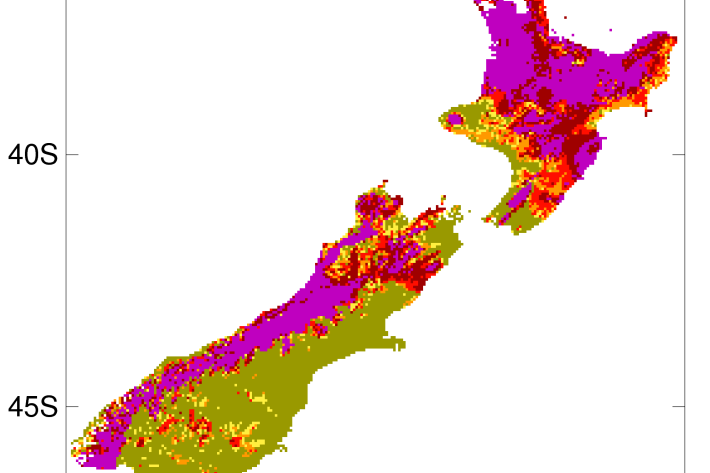
2012-2013 Drought
The 2012-2013 drought affected the entire North Island plus the west coast of the South Island. -
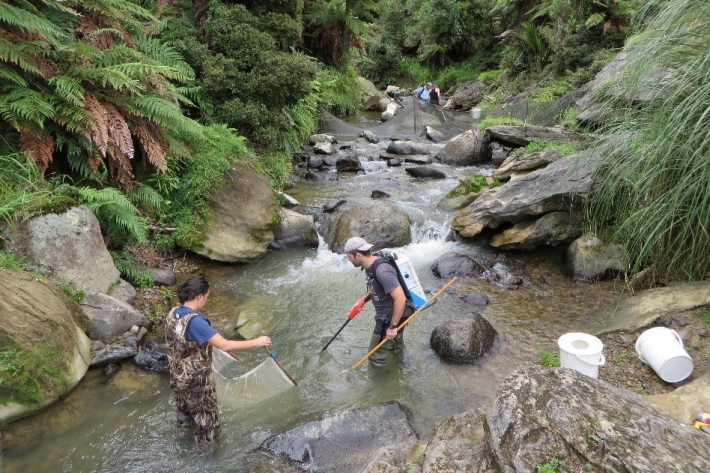
Guidelines for sampling freshwater fisheries
We have prepared a breakdown of the different guidelines that are available for sampling freshwater fisheries. The overview provides links to key documents that explain what should be considered when designing fish monitoring studies and how to implement the various sampling techniques. -
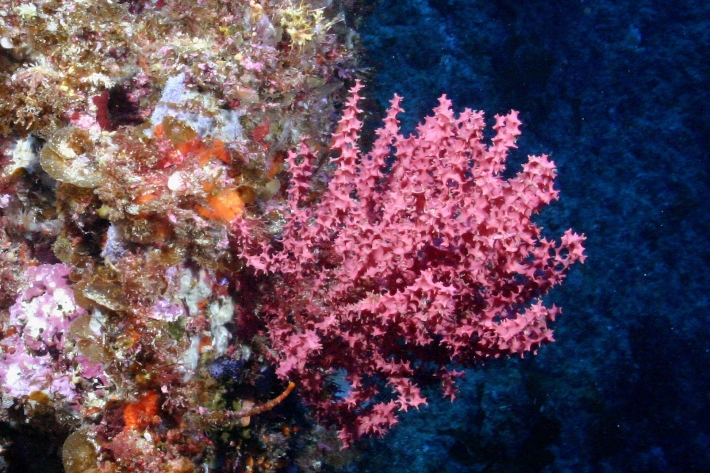
Splendid Sponges
An interactive guide to the sponges of New Zealand. -
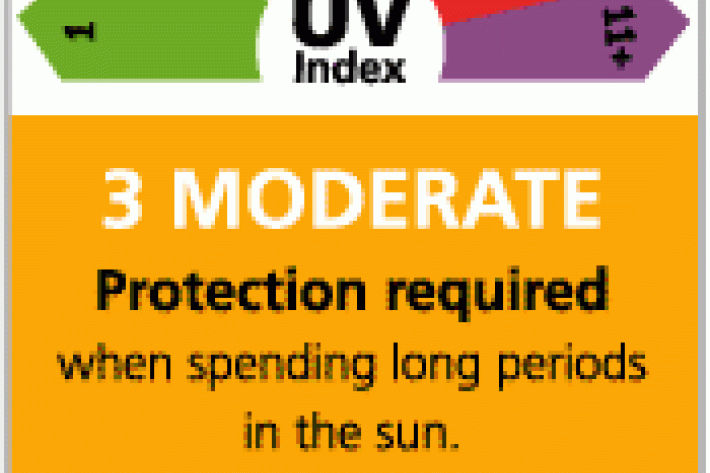
Real-time UV Index displays
NIWA has developed a real time UV display in consultation with the Cancer Society and Sunsmart. -

Tuna - commercial fisheries
Commercial eel fishery in New Zealand began in earnest in the 1960s and expanded rapidly until the early 1970s -
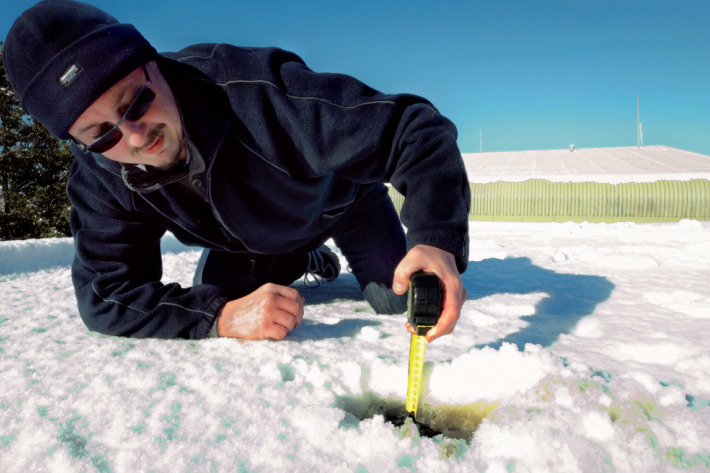
Ideas for projects using climate data
Education ResourceIdeas for projects using climate data -
Biological limitations
Identifying biological factors that may be limiting fish numbers requires sampling to ensure that key invertebrate prey species are not scarce and that pest fish, especially predators, are not abundant. -
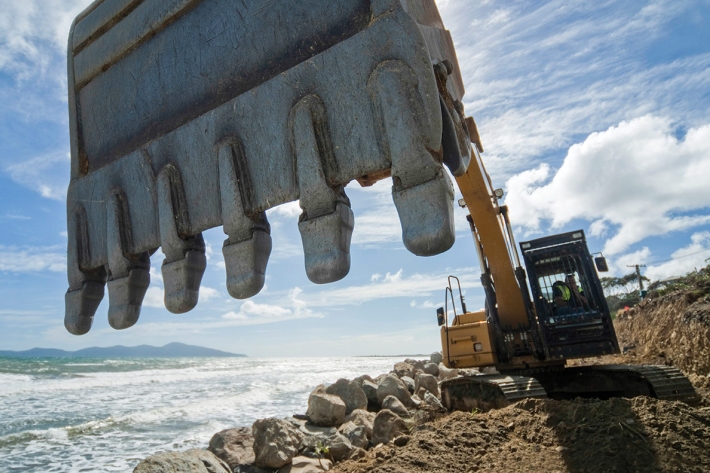
Shifting Sands – the end of a Kiwi dream
Feature story06 June 2017The Kiwi dream of owning a beachfront property with panoramic views of the ocean is under threat—and not just for financial reasons. -
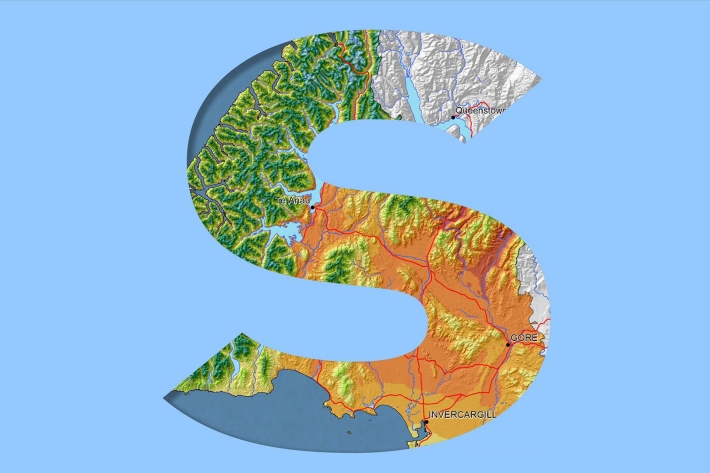
Southland
Southland is both the most southerly and most westerly part of New Zealand and generally is the first to be influenced by weather systems moving onto the country from the west or south. -

Atmospheric ozone, ultraviolet radiation, and stratospheric change
Research ProjectCFCs have damaged the ozone layer and led to higher UV levels and increased health risks. Our role is to understand the causes and effects of ozone depletion, to inform the public of the risk. -
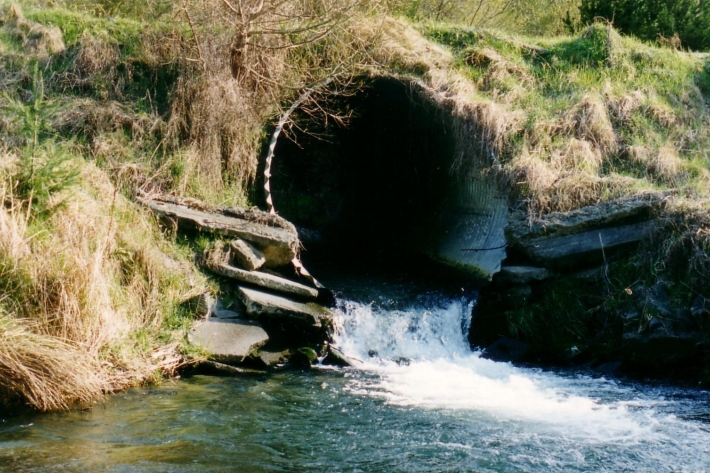
Water diversion
Diverting water away from its natural channel for commercial or private use.