-

Biological limitations
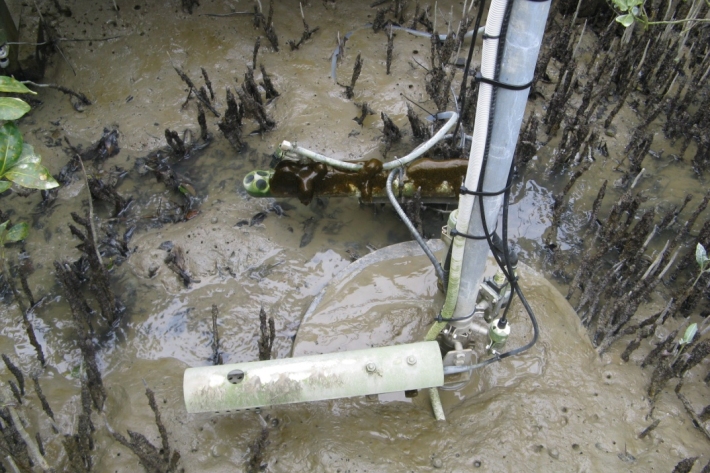
Identifying biological factors that may be limiting fish numbers requires sampling to ensure that key invertebrate prey species are not scarce and that pest fish, especially predators, are not abundant. -
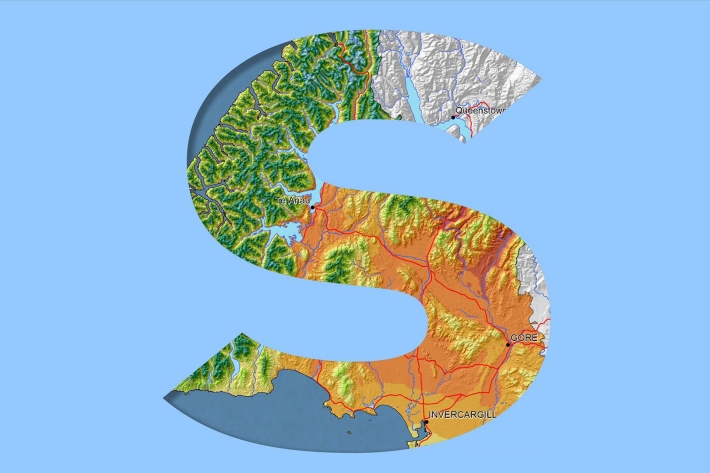
Southland
Southland is both the most southerly and most westerly part of New Zealand and generally is the first to be influenced by weather systems moving onto the country from the west or south. -

Urbanisation
Aotearoa’s main urban areas cover approximately 2% of total available land. -
Education and information
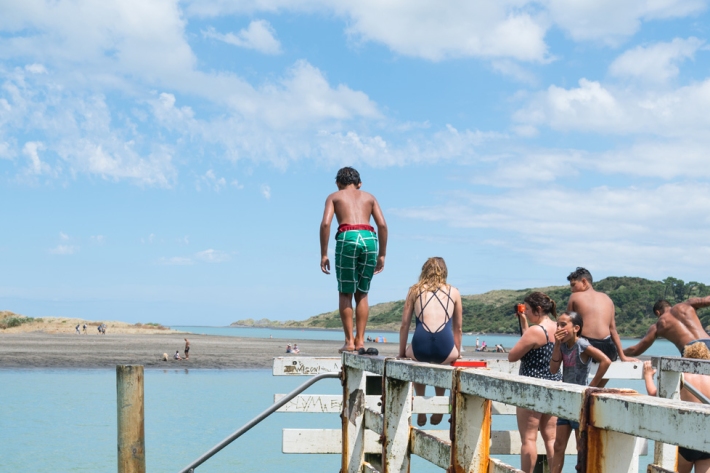
Education ResourceExplore our education and information section to find out about climate and climate change, weather, our atmosphere, estuaries and more. -
NIWA staff profile: Nava Fedaeff
Feature story06 June 2017At the age of seven, NIWA’s youngest climate scientist, Nava Fedaeff, swapped sub-arctic Siberia for balmy Auckland – and her first job was to learn to swim. -
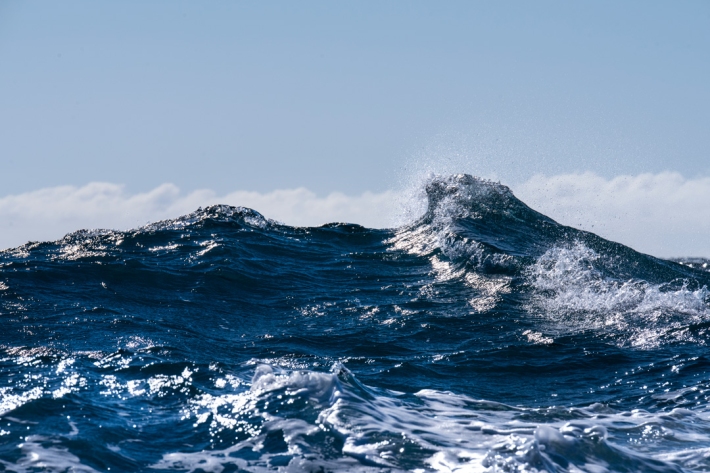
Lesson 9: Ngā Tohu o te Taiao – Māori environmental indicators
Education ResourceThis lesson will explore the use of Māori environmental indicators [tohu] to anticipate local weather and climate conditions. -
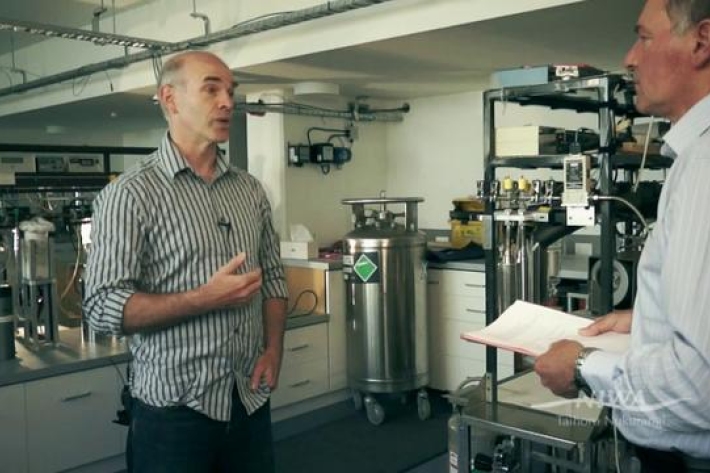
What is Ocean acidification?
NIWA oceanographer Dr Cliff Law explains the impacts of ocean acidification on organisms that use carbonates to build their shells, and on bacteria. -

Wood processing
Trees are grown and converted into a range of useful timber and paper products. -

UVI smartphone apps
Several apps that provide forecasts of the UV index (UVI) are available for smartphones.