-

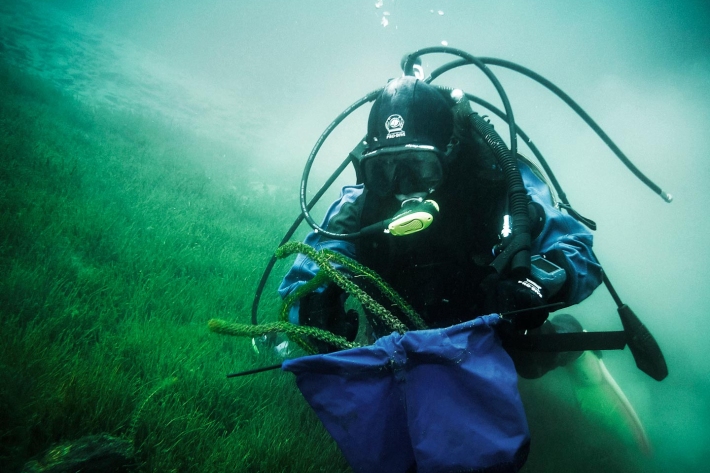
Tuna - identification
There are several ways to tell the three New Zealand eel species apart. -

Atmospheric ozone, ultraviolet radiation, and stratospheric change
Research ProjectCFCs have damaged the ozone layer and led to higher UV levels and increased health risks. Our role is to understand the causes and effects of ozone depletion, to inform the public of the risk. -
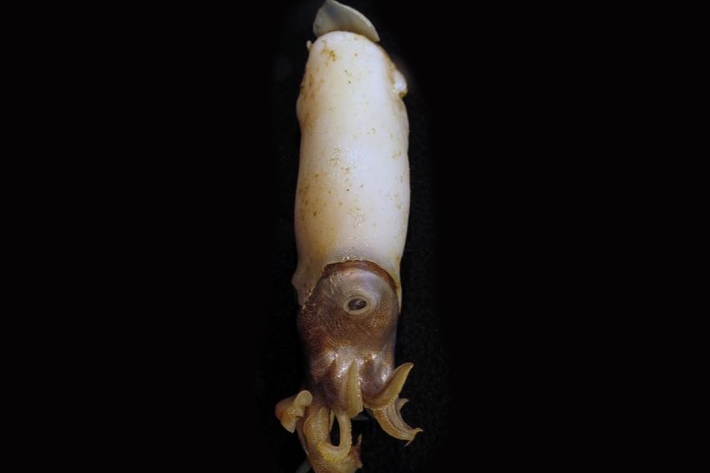
Critter of the week
In this blog series, we feature a new critter from our expansive invertebrate collection including pictures of specimens in their unique habitat. The blogs also feature news, links and fun facts that showcase New Zealand’s fascinating marine fauna. -
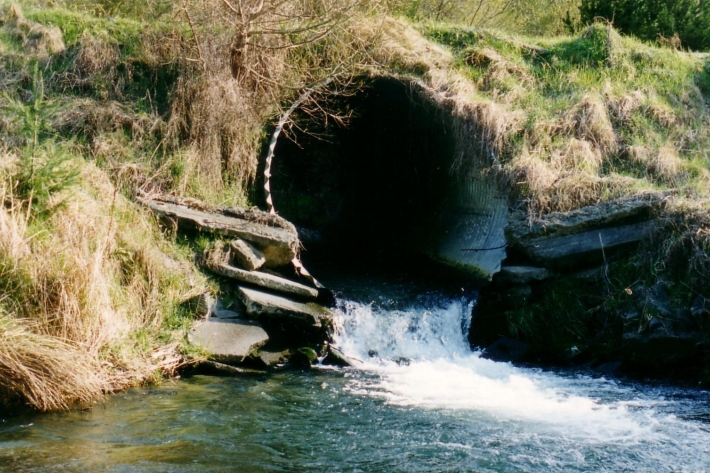
Water diversion
Diverting water away from its natural channel for commercial or private use. -
Sediment and urbanisation
How does urbanisation increase sediments in waterways? -
How cold is the Antarctic?
Write a report, with guided questions, to answer the question: “How cold is the Antarctic?” -
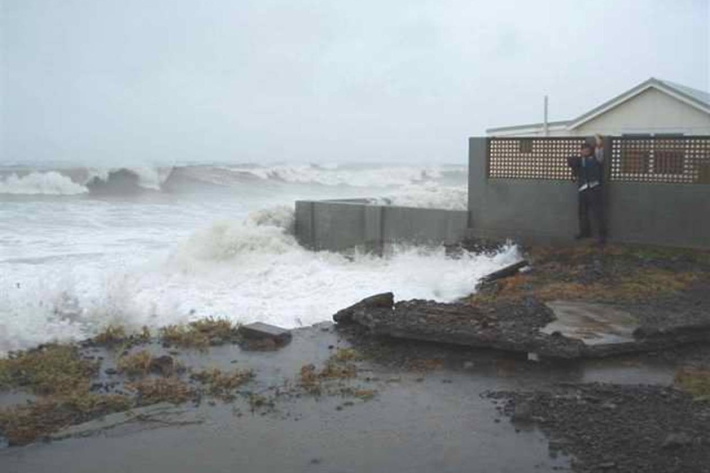
Planning for coastal adaptation
ServiceCoastal risk exposure for New Zealand, adaptation guidance for local government and relevant summaries of previous court cases and Building Act 2004 determinations. -
NZ from Space - About
AQUA and TERRA are polar orbiting satellites that both pass over New Zealand twice per day. -
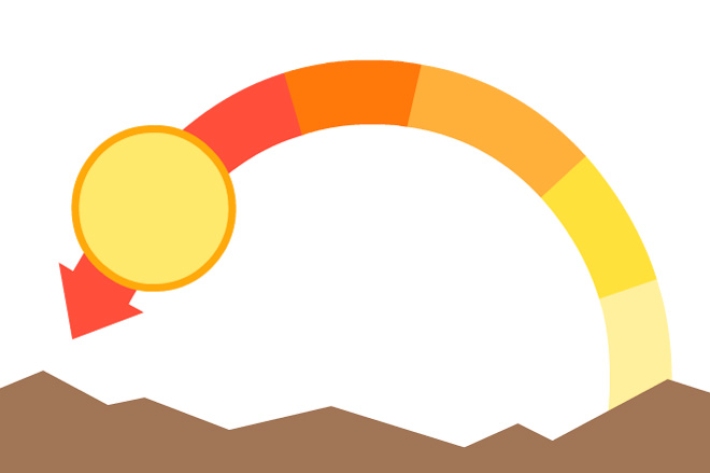
SolarView help
This calculator estimates the solar energy that can be collected by a solar capture device (solar panel) at a given address, panel direction and roof slope. -
How deep is the snow at your place?
Measurements of snowfall at low elevations around New Zealand are few and far between, and yet the data would be really helpful in understanding how snowfall occurs and quantifying snow-related risks.