-

Trawl fisheries bycatch
Accurate reporting on the amount of fish and invertebrates that are caught and discarded by New Zealand’s commercial fishing industry is vital to effective management of these fisheries. -
Station details
Station height is in metres above mean sea level. Years of data are the number of complete years of data for the 1981 – 2010 period. -
Map Alpine
Education ResourceMountainous areas are subject to heavy snowfalls, high winds, and low temperatures. Semi-permanent snow and ice fields exist at about 1000-1100 metres during winter. -
Tuna - elvers and recruitment
Once in freshwater, glass eels develop into darker pigmented juvenile eels known as elvers. -
What do 'carbon neutral' and 'carbon footprint' mean?
A carbon neutral activity is one that has a carbon footprint of zero. -
Tuna
Tuna or freshwater eels are a very significant, widely-valued, heavily-exploited, culturally iconic mahinga kai resource. -
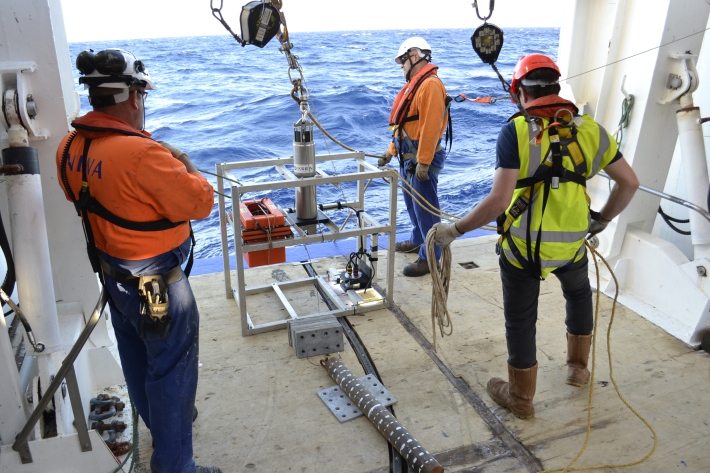
Scientists explore deepest parts of the Kermadec Trench
Media release06 June 2017Scientists exploring the Kermadec Trench believe they have retrieved the deepest ever sediment sample from the bottom of the ocean using a wire-deployed corer. -

On-Site Household Sanitation Guidelines for Fiji
Research ProjectA participatory project empowering communities with self-help tools to improve water, sanitation and hygiene. -
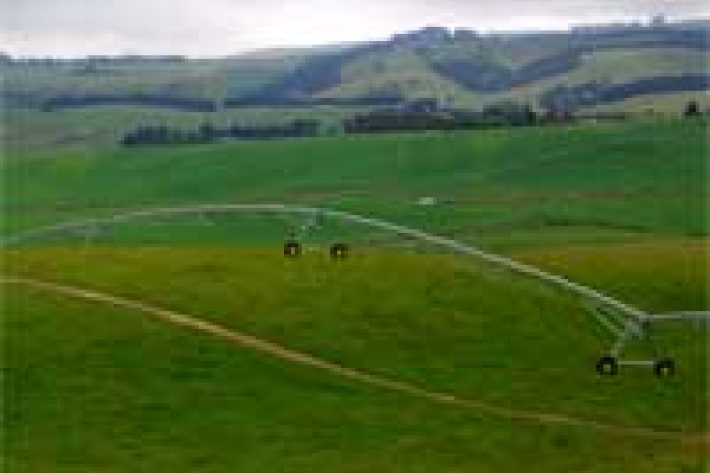
Chemical contamination and agriculture
What are the potential sources of chemical contamination from agricultural activities? -
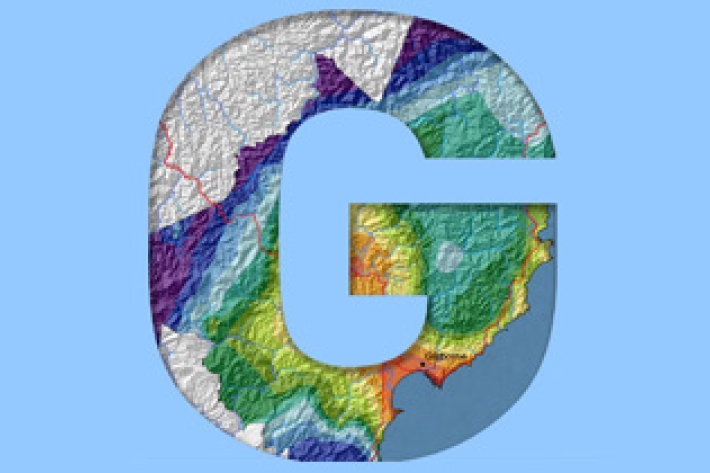
Gisborne
In comparison with regions exposed to the west, Gisborne experiences a greater number of weather and climatic extremes. -
Water clarity
Water clarity or turbidity is the cloudiness or haziness in a fluid caused by individual small particles (suspended solids). -
Impacts of hydro
Impacts of hydro-electric activities on water quality and mahinga kai.