-
Blogs
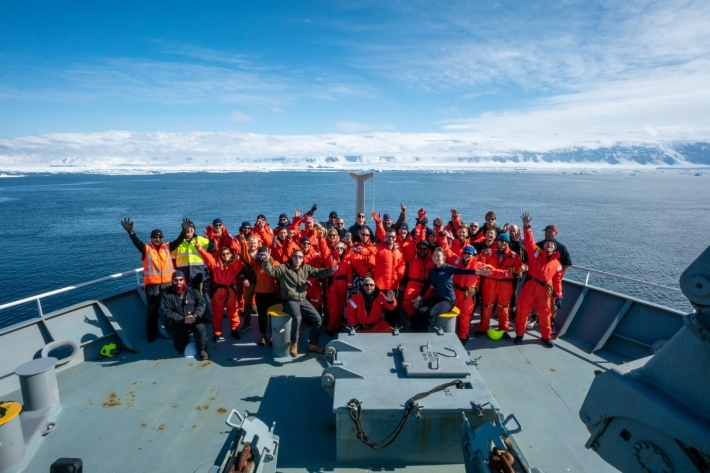
Follow NIWA's scientists as they explore the natural world, make new discoveries and share how people use their science. -
Waikato
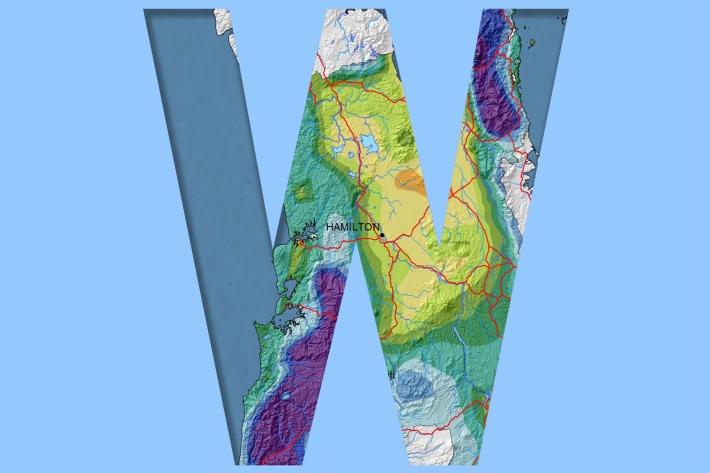
Waikato exhibits a range of climates due to the variety of landscapes in the region. -

Mitigation and best practice options
Some simple steps to minimise the effects of mining activities on water quality and mahinga kai. -
Science and Technology Fairs
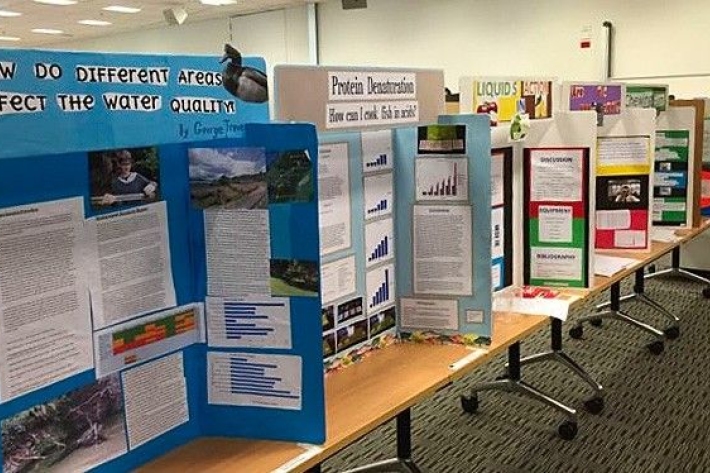
NIWA is a major sponsor of the Auckland, Manukau City, North Harbour, Waikato, Wellington, Canterbury and Bay of Plenty – Science & Technology Fairs. -
Weather plots: temperature and relative humidity
Objective: to observe the relationship between temperature and relative humidity. -
Tsunami
Education ResourceTsunami is a Japanese word meaning great wave in harbour. -
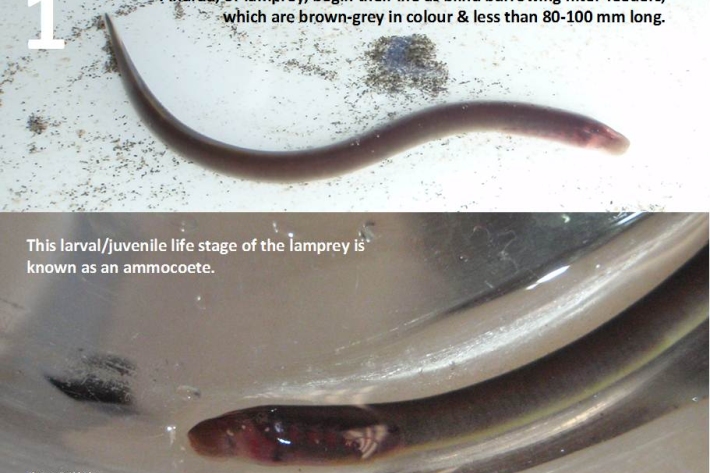
Restoration and enhancement of piharau / kanakana / lamprey
Research ProjectNIWA is leading a new six-year research project that seeks to increase our understanding of piharau/kanakana/lamprey, using Mātauranga Māori, social science and biophysical science approaches. -
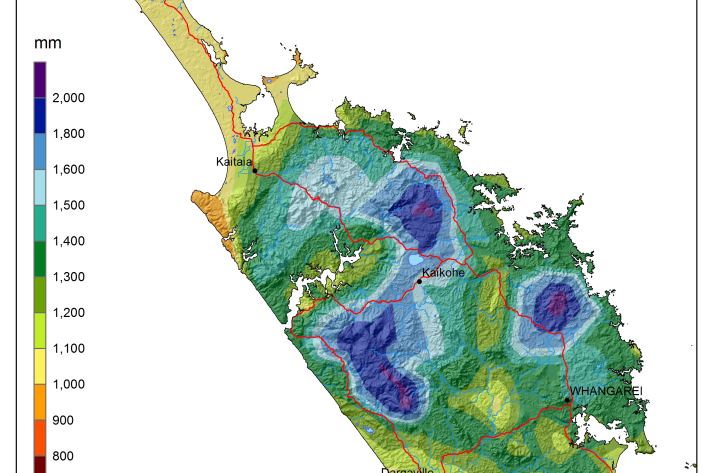
National and regional climate maps
Research ProjectMaps of average annual rainfall, temperature and other climate variables have been produced for all of New Zealand, based on the period 1981–2010. -
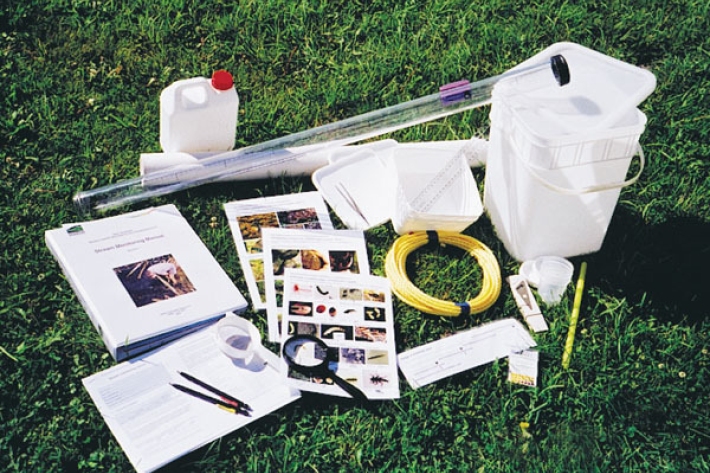
Stream Health Monitoring and Assessment Kit
ServiceHow healthy is your stream? SHMAK - the New Zealand Stream Health Monitoring and Assessment Kit - has been designed to help you find out. -
Toitoi
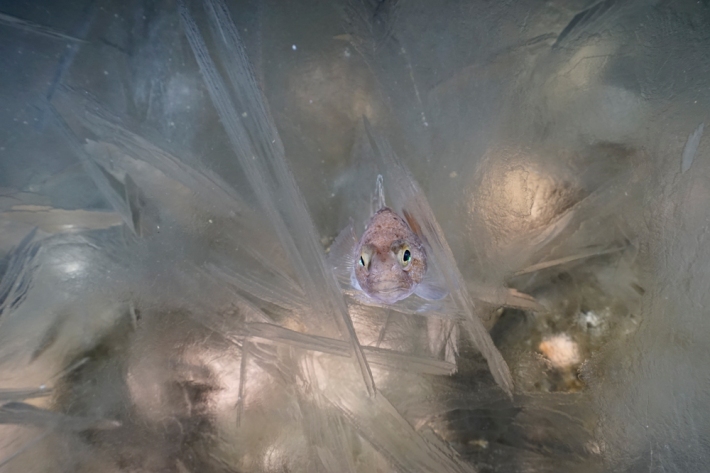
One of the most common species of freshwater fish in Aotearoa is the common bully or toitoi. -
Impacts of water dams
What are the impacts of water dams on water quality and mahinga kai?