-
Chemical contamination and agriculture
What are the potential sources of chemical contamination from agricultural activities? -
Air quality monitoring with low-cost sensors
ServiceNIWA provides ambient air quality monitoring services using low-cost ODIN (Outdoor Dust Information Node) sensors. -
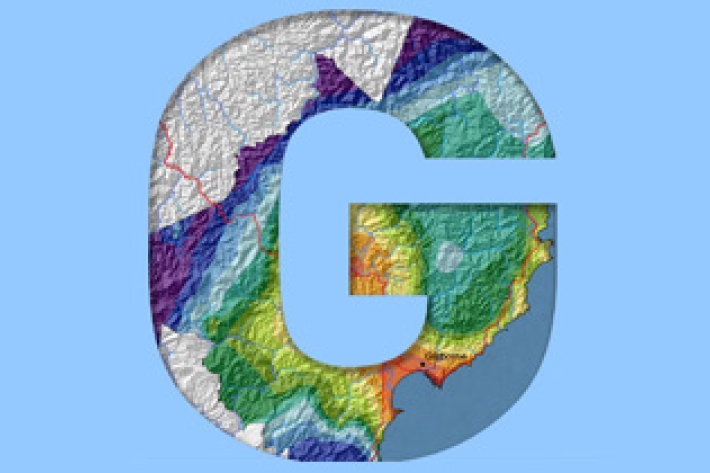
Gisborne
In comparison with regions exposed to the west, Gisborne experiences a greater number of weather and climatic extremes. -

Water take
Water take (also known as water abstraction) has a range of valuable public and private uses. -
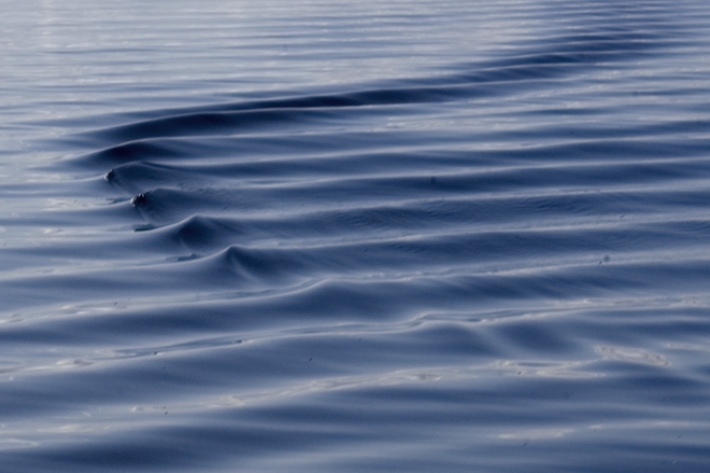
When fresh water meets salty water
When fresh water meets salty water - a classroom exercise that explores the physics of estuaries. -
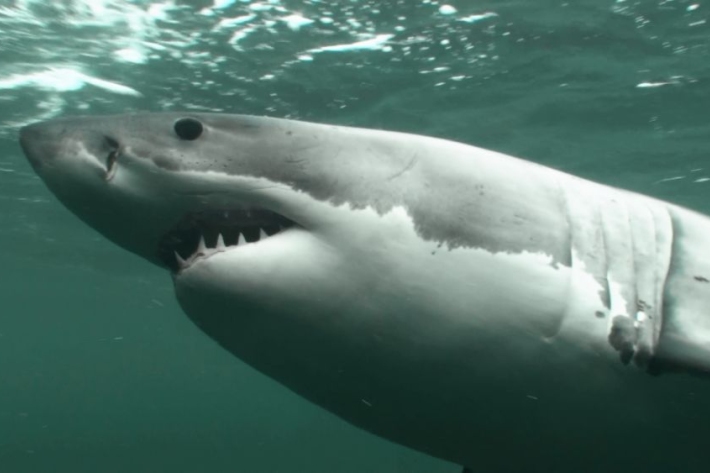
White sharks
Research ProjectWhere and when do white sharks occur in New Zealand waters, and how can fisheries bycatch be reduced? -
The process
The process of coming to work with us has five steps: applying, a phone interview, a face to face interview, background checks, and an offer. -
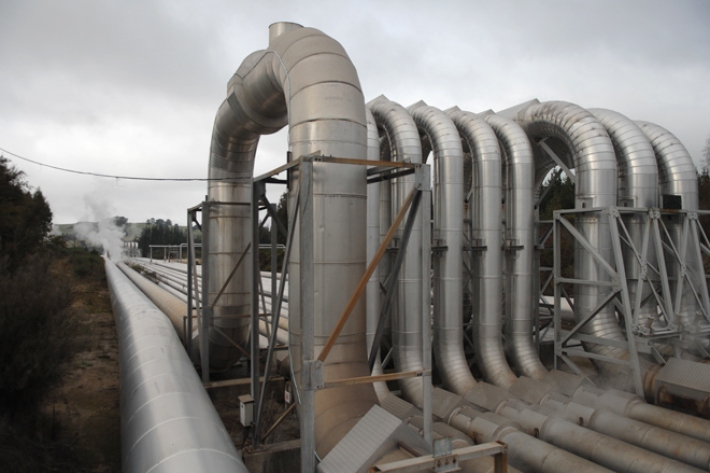
What is the proposed activity or industry?
Various industries and land use activities have the potential to impact on water quality and mahinga kai unless properly managed.