-
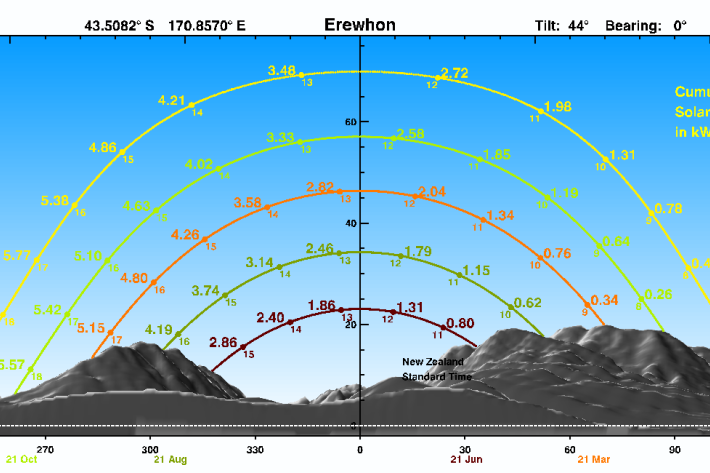
SolarView example
An illustrated example, showing how to input data and interpret SolarView results. -
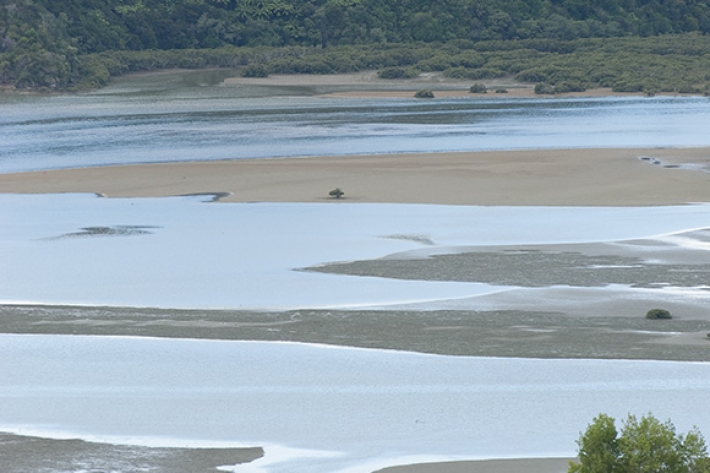
Estuary origins
In comparison to the vast span of geological time, the estuaries that we see today are very recent coastal features. -

Kākahi
The kākahi or freshwater mussel was a valuable mahinga kai resource for many Māori. -
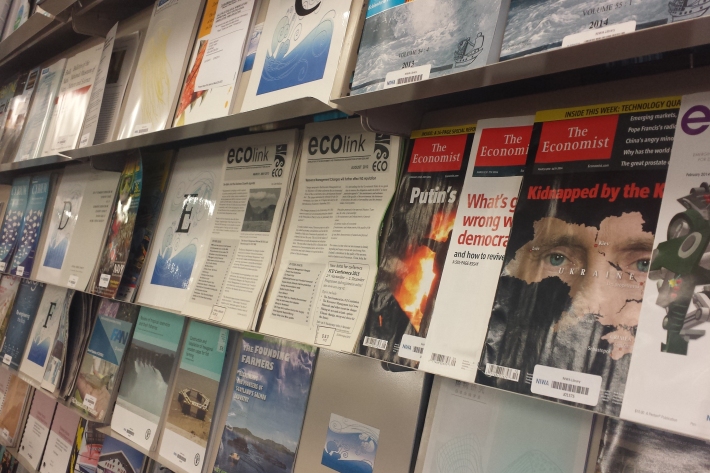
Library
ServiceThe NIWA library collection contains items in a range of formats, covering subjects including atmospheric and climate research, aquaculture, oceanography, fisheries and marine sciences. -
Mean monthly sunshine (hours)
These datasets are available in a range of formats. -
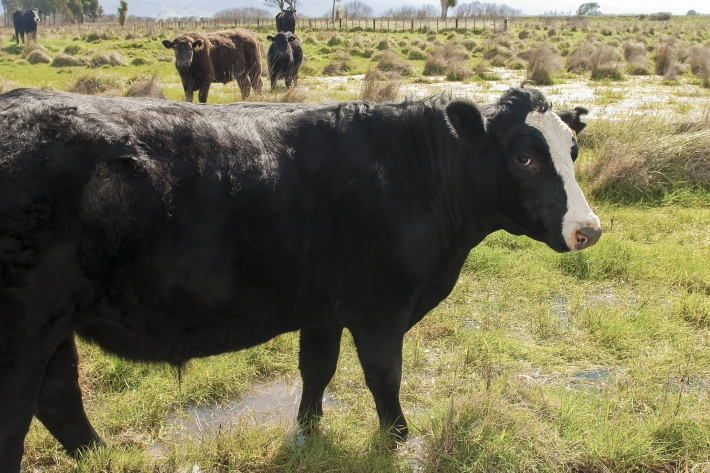
Riparian vegetation and agriculture
How may agricultural activities impact riparian vegetation around a waterway? -
Map E North
Education ResourceSheltered by high country to the west, the eastern zone of the North Island enjoys a dry, sunny climate. -
Droughts
Generally speaking, a drought is defined as a rainfall deficit which restricts or prevents a human activity – for example, farming or power generation. -
What are ppm and ppb?
PPM and PPB are units used in atmospheric chemistry to describe the concentration of gases. -
Fisheries stock assessments
To get the most benefit from a fish stock in the long term, we need to maximise our yield without damaging the fish population we rely on.