Invasive species remain one of the most urgent threats to Pacific ecosystems, impacting biodiversity, food security, and culturally important environments.
To accelerate regional action, the Pacific Regional Invasive Species Management Support Service (PRISMSS) project led by the Secretariat of the Pacific Regional Environment Programme (SPREP) has been working to strengthen governance and technical capability to monitor and manage non-native species.
As PRISMSS’ new technical lead for the Protect Our Marine Areas (POMA) programme, Earth Sciences NZ is supporting Pacific partners to prevent the spread of marine invasive species from high-risk areas such as ports and marinas to ecologically and culturally significant sites.
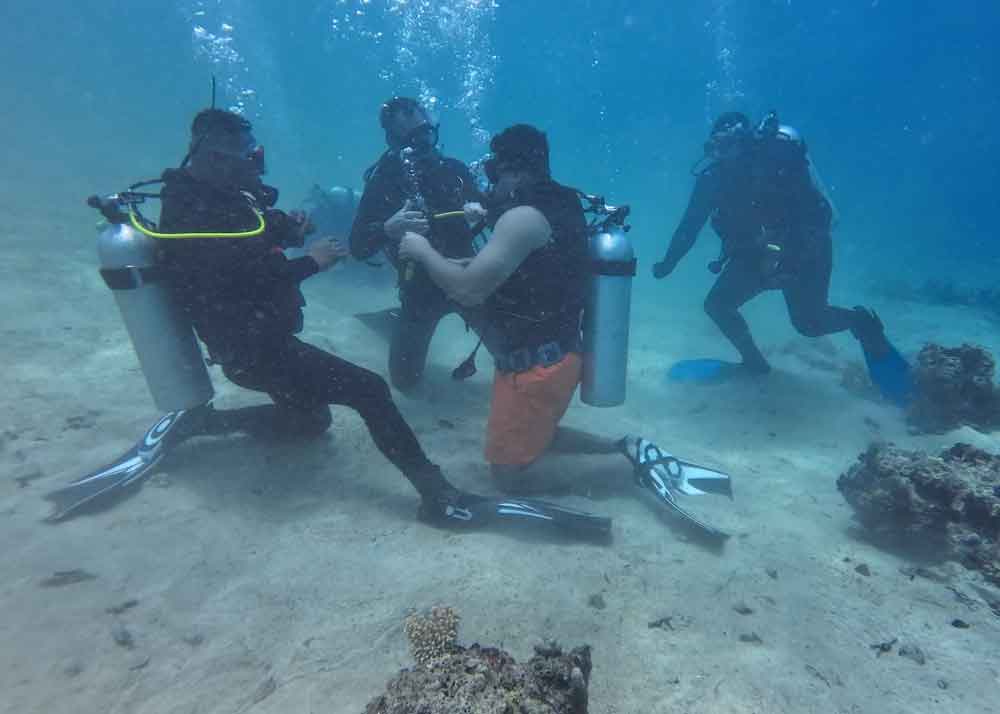
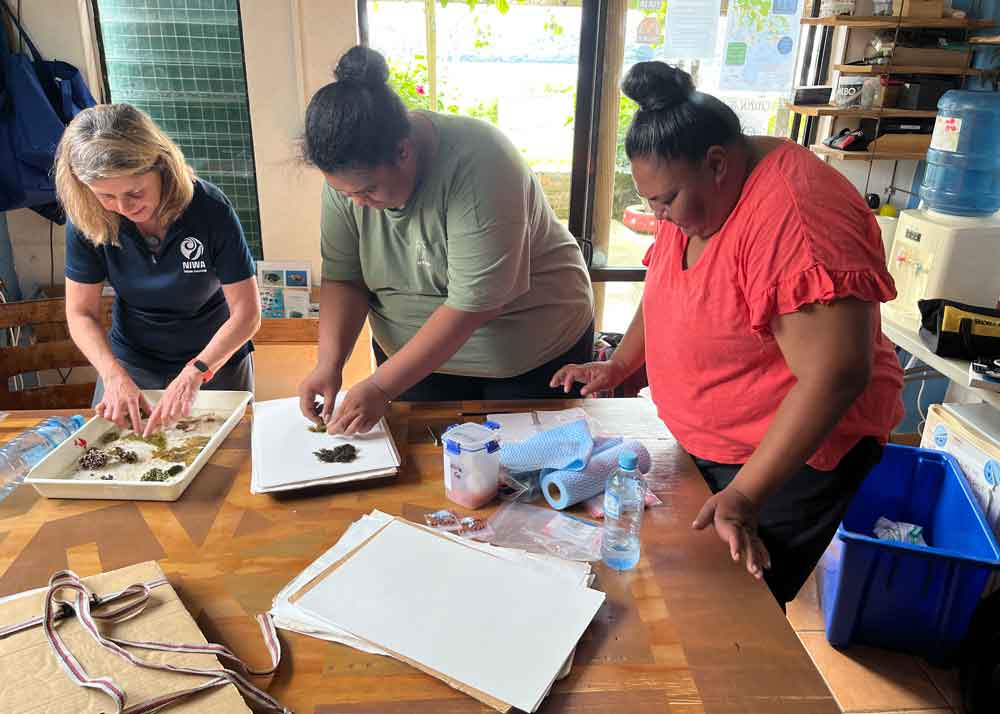
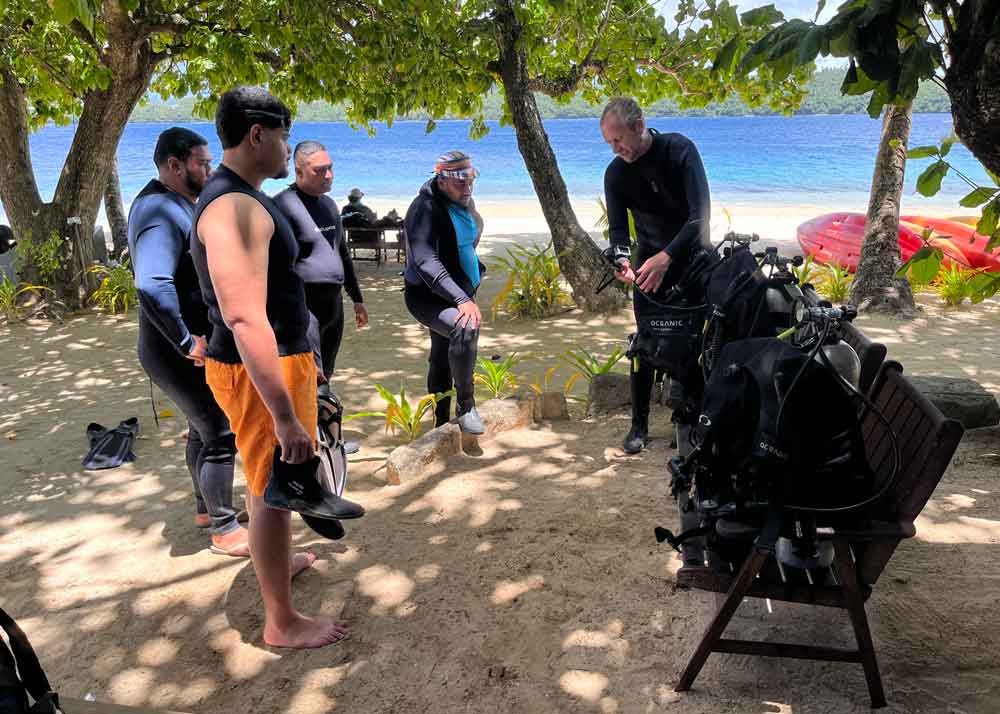
In November 2025, Earth Sciences NZ completed the first field activities under POMA through a successful marine biosecurity survey and training programme in Vava’u, Tonga. Eight staff from Tonga’s Ministry of Fisheries and Ministry of Meteorology, Energy, Information, Disaster Management, Environment, Climate Change and Communications (MEIDECC) joined local NGO Vava’u Environmental Protection Association (VEPA) to participate in both theoretical and hands on modules from the PRISMSS Pacific Marine Biosecurity Toolkit. Training covered biofouling assessments, ballast water risk management, sampling and preservation techniques, and marine incursion response.
A strong health and safety framework underpinned all boating, diving, and in-water components, with adaptations made for varying experience and qualification levels. Community involvement broadened the impact, including shoreline surveys that identified changes in local marine life following recent infrastructure developments.
Despite challenges such as adverse weather, travel disruptions, and fuel shortages, the team achieved all core objectives. A total of 102 marine specimens were collected and safely imported into New Zealand for identification and molecular analysis. These findings will inform upcoming reports for SPREP and Earth Sciences NZ, including species risk assessments and recommendations for Tonga’s emerging marine biosecurity programme.
For more information:https://www.sprep.org/news/from-strategy-to-action-partners-strengthen-strategy-and-coordination-on-invasive-species-management-in-the-pacific-at-11th-prismss-meeting