-

Critter of the Week: Allostichaster insignis
Like other members of the family Asteriidae, Allostichaster is fissiparous. -
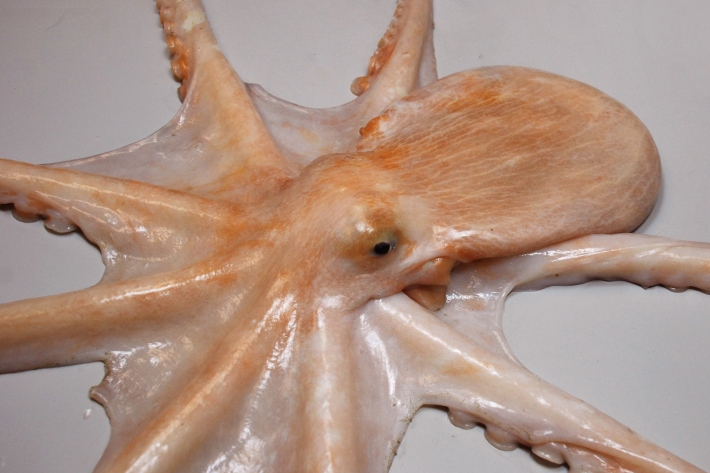
Critter of the Week: Enteroctopus zealandicus – the elusive yellow octopus
The yellow octopus is large and clearly abundant, with about one million being eaten a year by sea lions in the Auckland Islands alone -

The search for yellow octopus
News article09 February 2016One of the ocean’s most elusive critters is about to meet its match as NIWA scientists voyage south hoping to film them in action – and bring a few samples home. -

Voyage to discover secrets of marine food web
News article04 December 2015Scientists are beginning a voyage to the middle of the marine food web today to find out more about one of the most complex networks on the planet. -
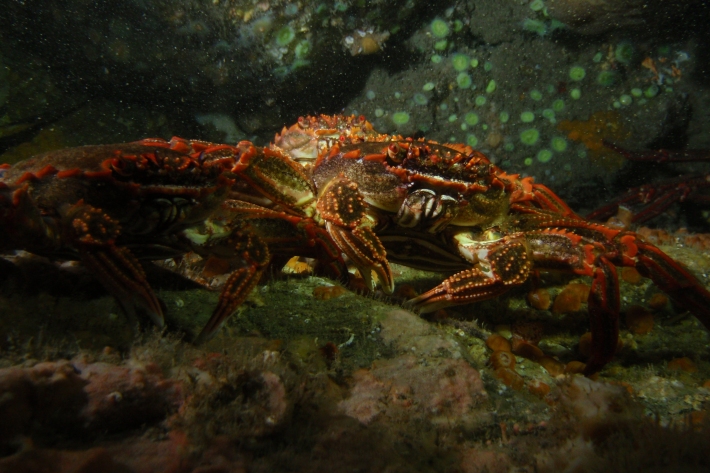
Coastal Crabs
An interactive guide to the common coastal crabs of New Zealand. -
Tiny find fascinates squid scientists
News article07 July 2015Another colossal squid is under examination in Wellington, but this one could fit in the palm of your hand. -
Voyage leader's final update
Blog11 March 2015Now back on dry land, Voyage Leader Richard O'Driscoll reflects on the final days of RV Tangaroa's 2015 Antarctica expedition. -
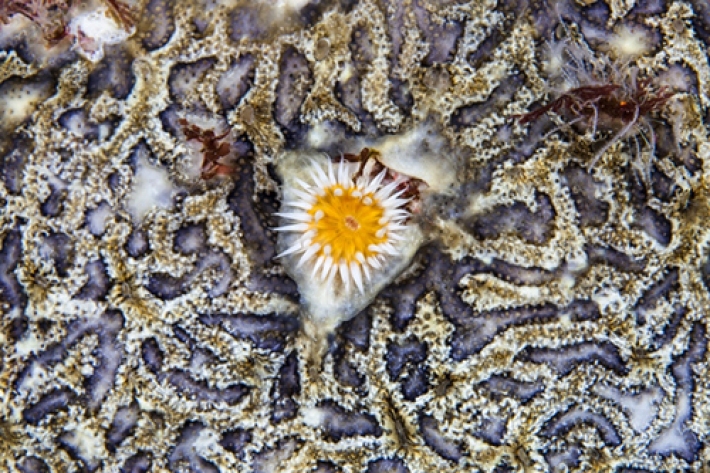
Critter of the Week: The colonial sea squirt Leptoclinides marmoreus Brewin, 1956
This week’s critter is the colonial ascidian, or more commonly known as seasquirt, Leptoclinides marmoreus Brewin, 1956. -
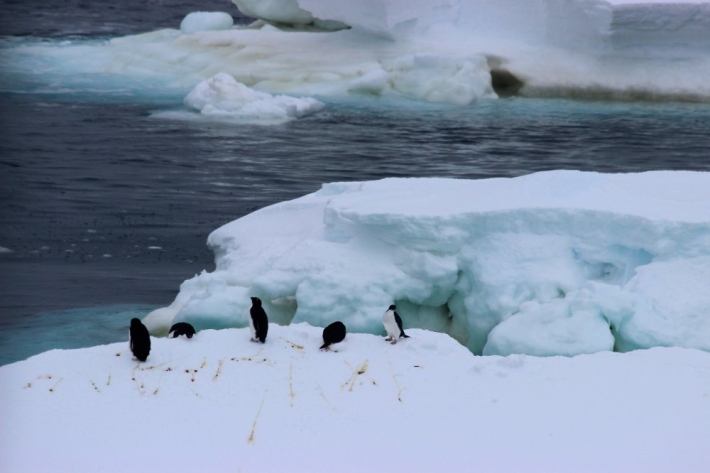
BLOG: Sir Peter Blake Trust Ambassador Blake Hornblow - Enounters with Antarctica's animals
Blog26 February 2015It has been another amazing week here on the Tangaroa. On Saturday we saw Antarctica which was an absolutely breath-taking experience that I’ll remember for the rest of my life! -
Critter of the Week: Ecionemia alata (Dendy, 1924) commonly known as the purple cup
In this week’s blog we explore Ecionemia alata (Dendy, 1924) commonly known as the purple cup or pillow sponge. -
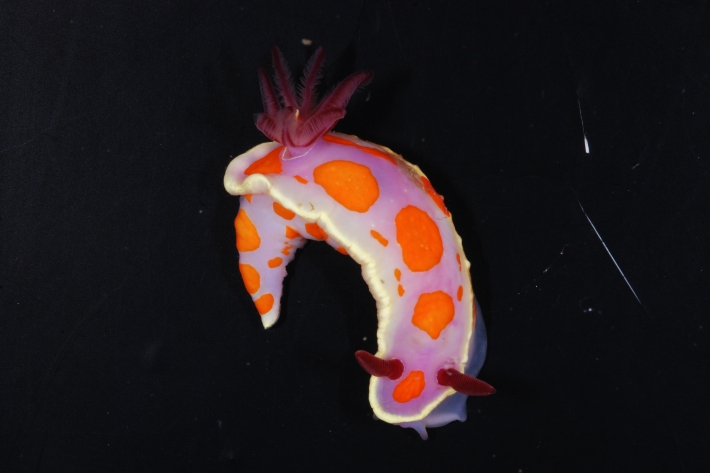
Critter of the Week: the brightly coloured and aptly named clown nudibranch, Ceratosoma amoenum.
This week’s critter, found from the northern part of New Zealand to southern Australia, is the brightly coloured and aptly named clown nudibranch, Ceratosoma amoenum. -
This week's Critter is the sand-dollar associate Oxydromus sp., a hesionid polychaete.
Hesionids are lively compact small worms, often richly coloured and with a good set of eyes (2 pairs, with lenses).