-
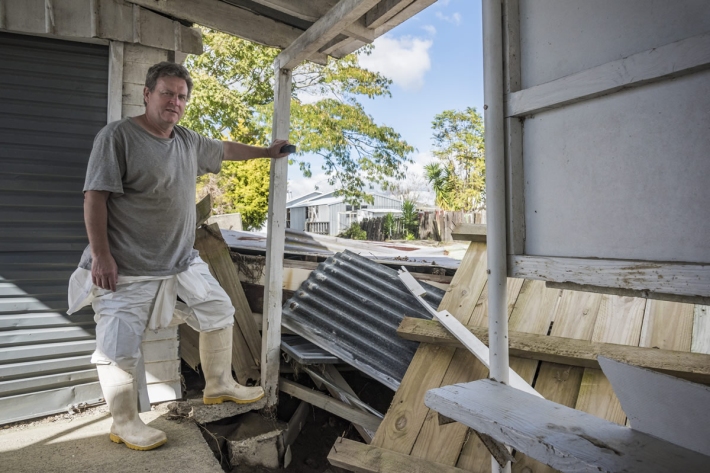
Flood focus
Feature story08 October 2017Autumn and winter rain caused damaging floods and slips across New Zealand, yet again. Susan Pepperell investigates the nation's evolving skill in avoiding and coping with water. -
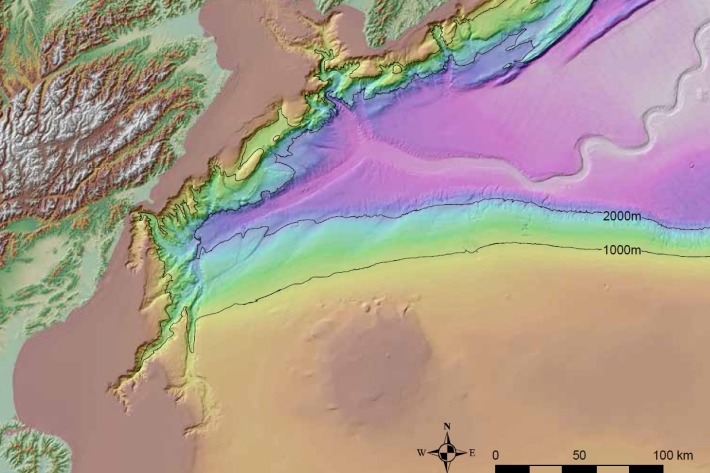
A wave of hazard research
Feature story05 October 2017It is well known that earthquakes can trigger tsunami but they can also be caused by landslides – with devastating effects. -
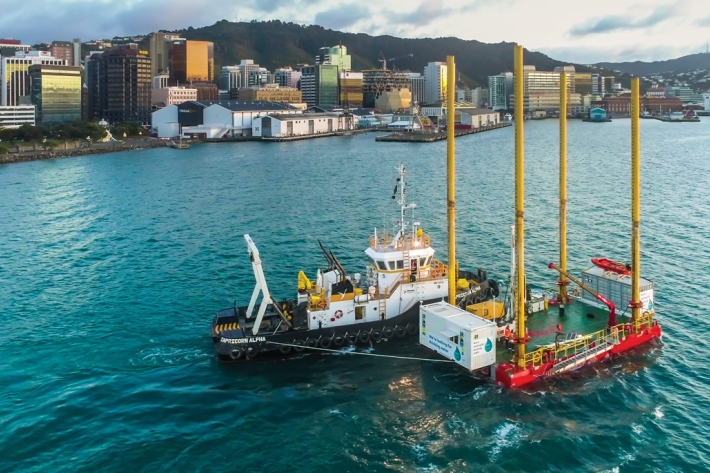
Q&A: going to sea for fresh water
Feature story05 October 2017Since the end of June, a barge has been stationed just off Wellington’s Miramar Peninsula drilling into the seabed to find an alternative water source for the city. -
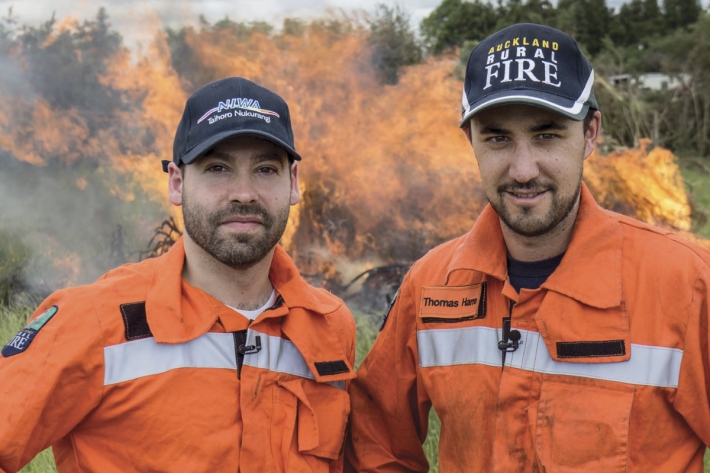
On-call forecasting helps fight fires
Feature story05 October 2017For the past year, NIWA’s meteorologists have been on call to provide real-time, comprehensive information about weather patterns that may accelerate a fire. -

Kaikōura Canyon shows early signs of ecosystem recovery
Media release19 September 2017NIWA scientists have found signs of recovery in the Kaikōura Canyon seabed, 10 months after powerful submarine landslides triggered by the November earthquake wiped out organisms living in and on the seabed. -

Calculated risk
Feature story13 June 2017Imagine if you could foresee what would happen to your home in a severe flood or tsunami, and then work out how to prevent or reduce the impact before any such event occurred. -

NIWA invests $18 million in New Zealand’s future
Media release08 June 2017NIWA is placing the future of New Zealanders at the heart of its operation by investing in new supercomputers that will significantly enhance scientists’ abilities to solve crucial issues facing the country. -
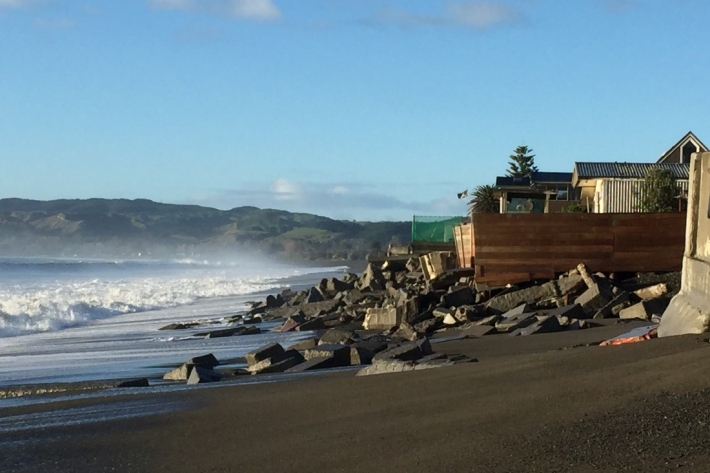
Sea level observations (near real-time)
ServiceThis system combines daily sea-level data from NIWA, regional councils, port companies, Antarctica NZ, Bureau of Meteorology and territorial authorities. -

Tsunami
Education ResourceTsunami is a Japanese word meaning great wave in harbour. -
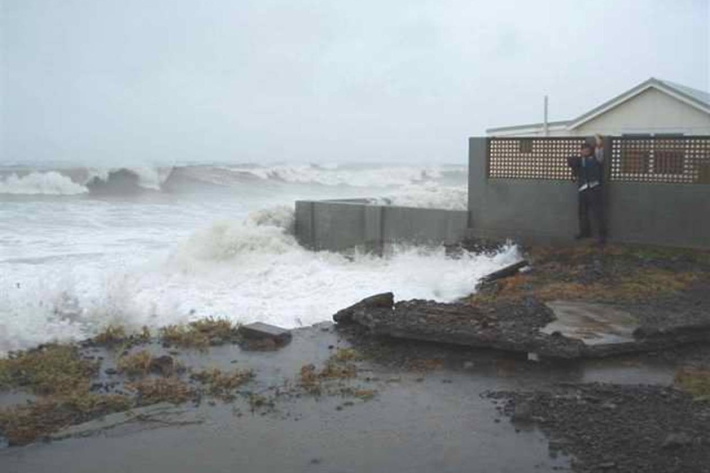
Planning for coastal adaptation
ServiceCoastal risk exposure for New Zealand, adaptation guidance for local government and relevant summaries of previous court cases and Building Act 2004 determinations. -
Scientists set to delve into the secrets of the Cook Strait mega-canyon
News article06 June 2017 -
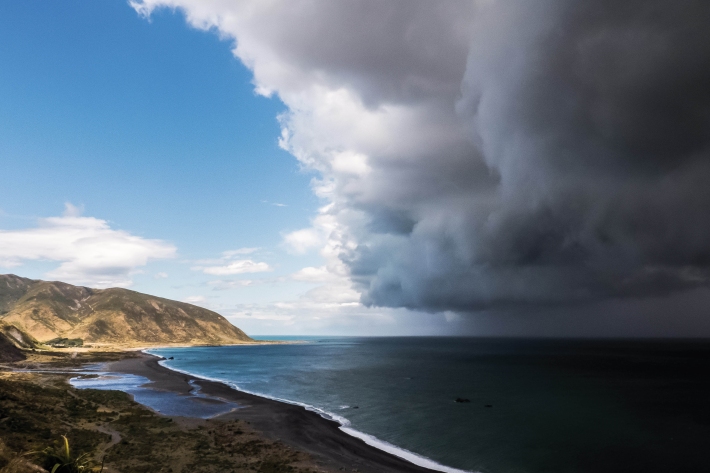
Common climate and weather terms
Education ResourceA glossary of common climate change and meteorological terms.