-

Summer Series 2019
This is a special series of stories put out to the media over the 2019/2020 summer. -

‘Tis the season for a Christmas weather forecast…
Media release12 December 2019If Santa is quick he can hop on a ridge of high pressure for his big trip to New Zealand very soon. -
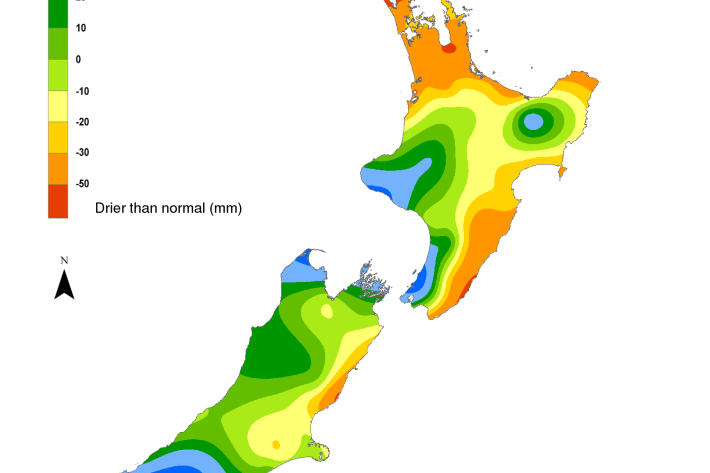
Hotspot Watch 11 December 2019
Hotspot11 December 2019Across the North Island, notable increases in soil moisture levels were observed in the southwest, from Taranaki south to Wellington. -
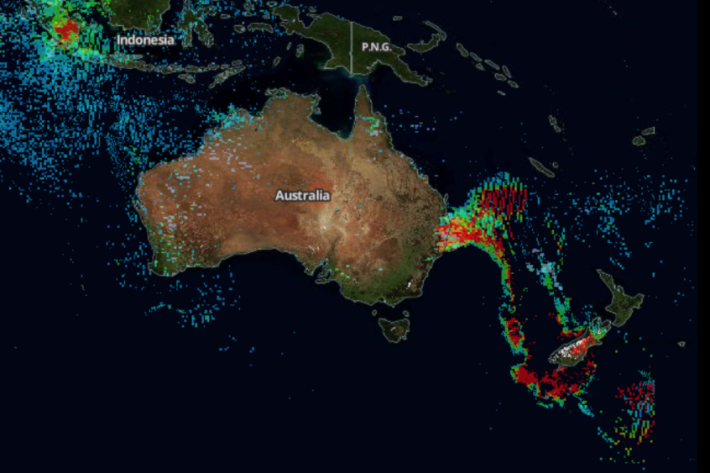
Unprecedented carbon monoxide readings measured in Central Otago
Media release11 December 2019Researchers at NIWA’s Lauder atmospheric research station in Central Otago have measured prolonged carbon monoxide concentrations well above normal levels. -
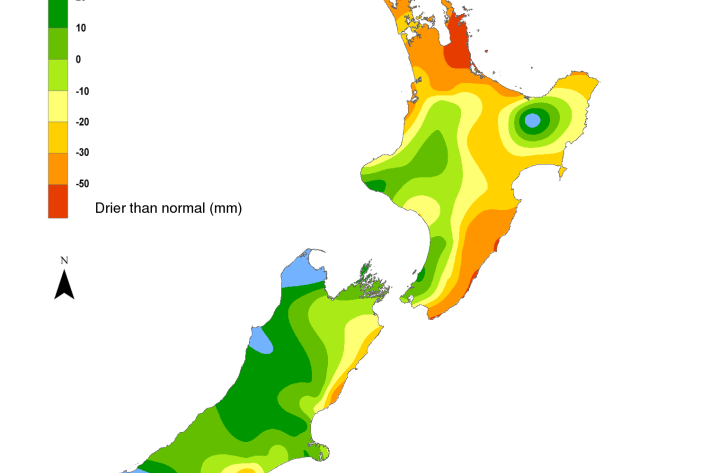
Hotspot Watch 5 December 2019
Hotspot05 December 2019Across the North Island, notable decreases in soil moisture levels were observed from Northland to Waikato, including the Coromandel Peninsula. -

Hottest November on record: NIWA climate scientists
Media release04 December 2019New Zealand has just experienced its hottest November on record, according to NIWA climate scientists. -

Southern Annular Mode
Education ResourceThe Southern Annular Mod is a ring of climate variability that encircles the South Pole and extends out to the latitudes of New Zealand. -
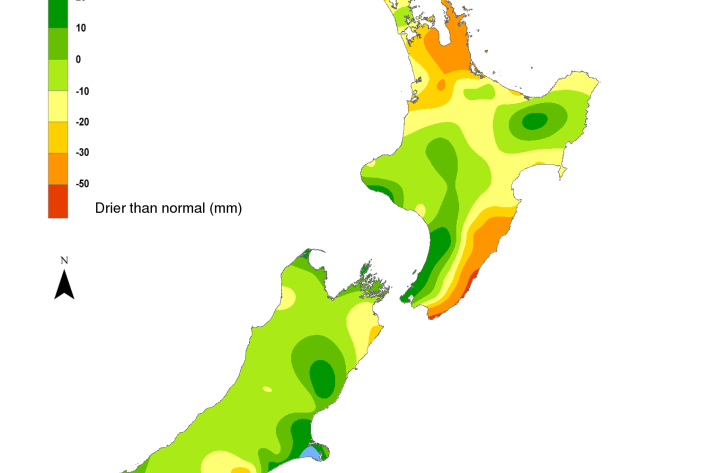
Hotspot Watch 28 November 2019
Hotspot28 November 2019Across the North Island, soil moisture levels decreased island-wide during the past week due to meagre rainfall and above average temperatures. -
Scientist pieces together details of underwater landslides
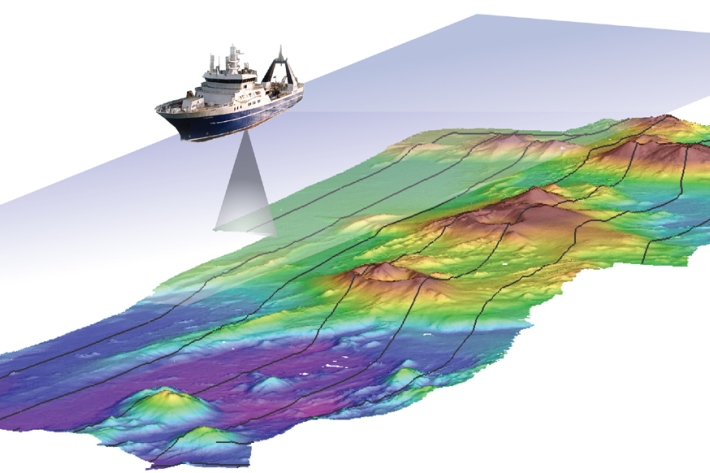
Media release28 November 2019New information about landslides that occur on the seafloor off New Zealand’s east coast will help scientists better understand why and where they happen, and the types of threats they pose. -

The week it snowed everywhere
Media release21 November 2019Novel handwriting recognition project casts new light on historic weather data. -

Handwriting recognition casts new light on climate change
-
Hotspot Watch 20 November 2019
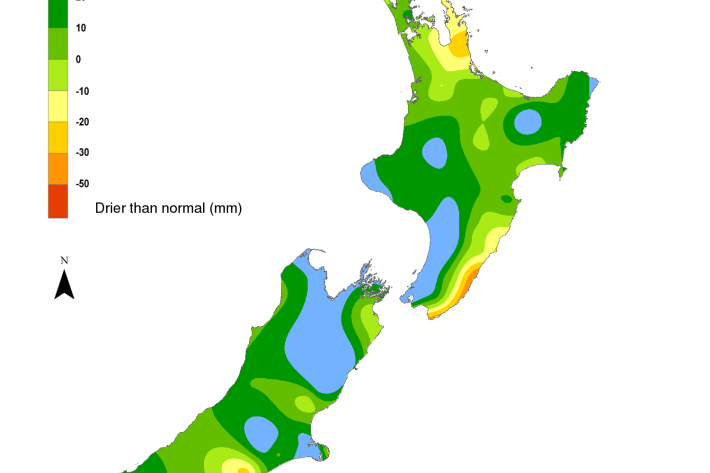
Hotspot20 November 2019Across the North Island, soil moisture levels increased in many places during the past week. In the South Island, soil moisture levels generally decreased in the east and a slightly increased in the west.