-
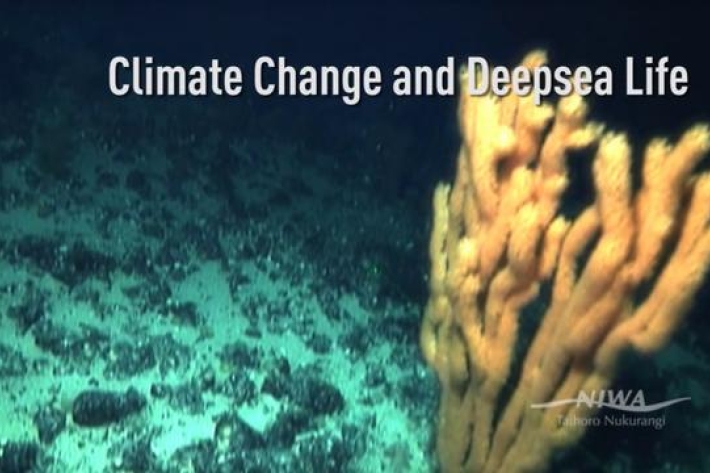
Climate Change and Deepsea Life
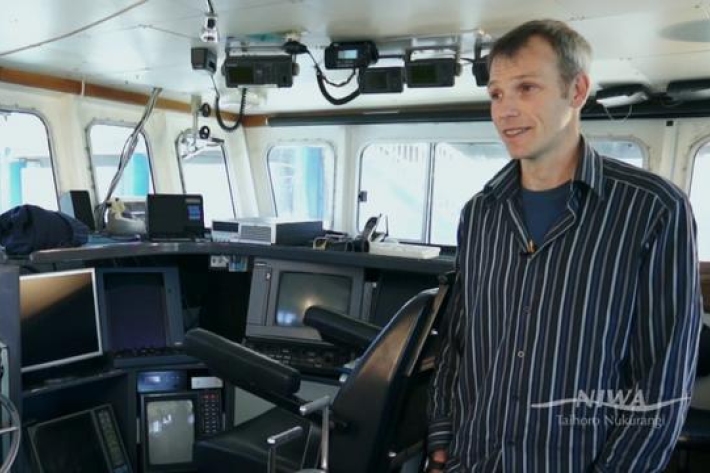
Dr Dave Bowden outlines concerns over the impacts of climate change on deepsea life in Antarctic waters. -
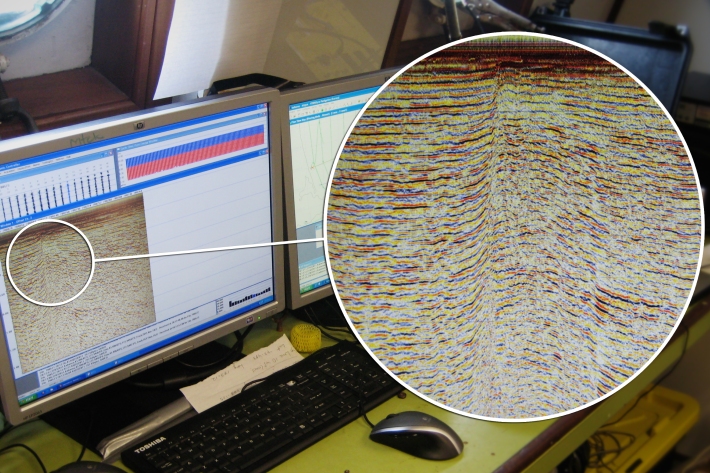
Submarine faulting beneath Pegasus Bay
Research ProjectIn September 2010 and February 2011, two devastating earthquakes (M7.1 and M6.3 respectively) hit the Canterbury region -

NIWA scientist studies the mixing of river and sea and asks: Where do river sediments go?
News article05 March 2012 -
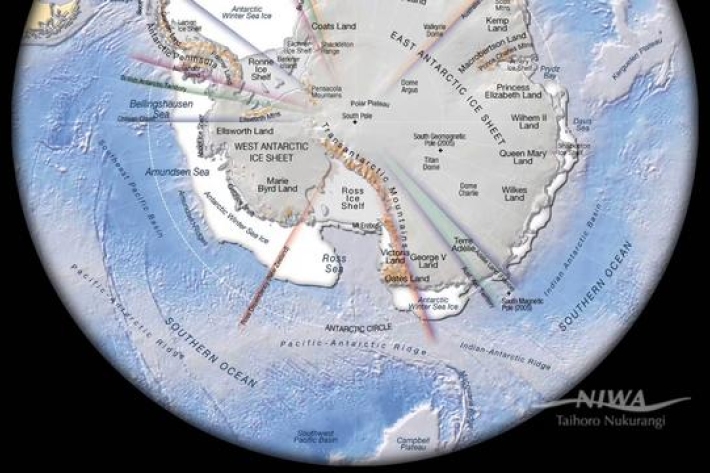
Exploring Antarctic Deepsea Life
Unravelling the mysteries of the Southern Ocean -
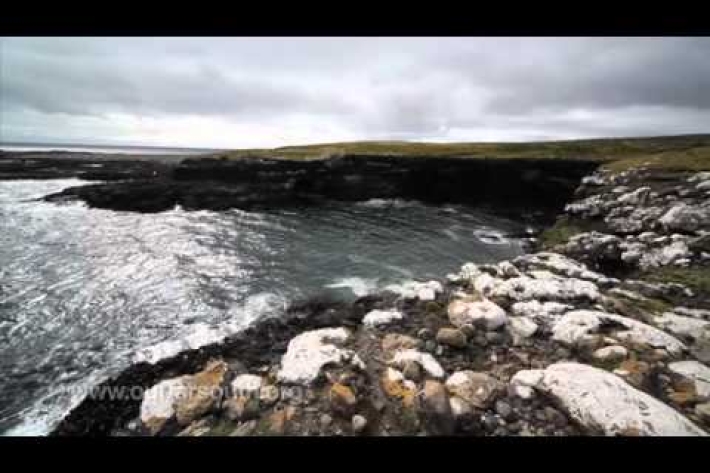
The Decline of Subantarctic Wildlife
Investigating ocean productivity and its impact on Subantarctic wildlife -
Pig power science yields good results in NZ and overseas
News article27 February 2012 -
Restoring fish food
Small native fish eat a range of benthic invertebrates in streams. The larvae of mayflies and caddisflies are the most important food species, with chironomids being important for juvenile fish and in streams where all other prey are scarce. -
Ecosystem Effects and Mitigation of the Toothfish Fishery
Understanding the potential effects of Antarctic toothfish fisheries on Ross Sea ecosystem