-

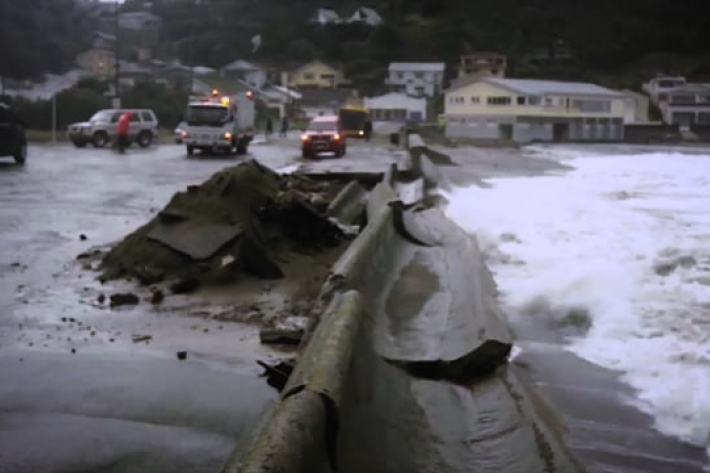
Warmth dramatically outpaces chill so far this year
Media release04 July 2018It's a story of the warm and the wet. -
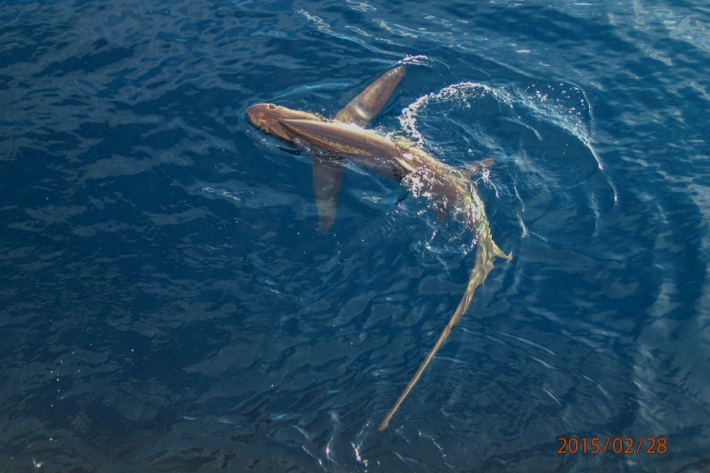
Pelagic shark risk assessments
Research ProjectNIWA has developed a new method for spatially-explicit, quantitative, sustainability risk assessment of pelagic shark population. -
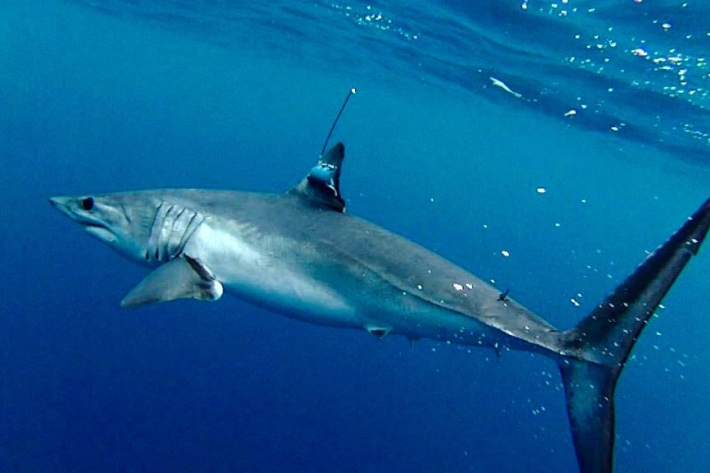
Shortfin mako sharks
Research ProjectSharks are vulnerable to overfishing because of their low reproductive rates and often low growth rates. Most pelagic sharks fall near the middle of the shark productivity scale, and there is concern that catching too many of them could lead to population depletion. In New Zealand waters, mako sharks are the second most commonly caught shark species (after blue sharks) on tuna longlines. -
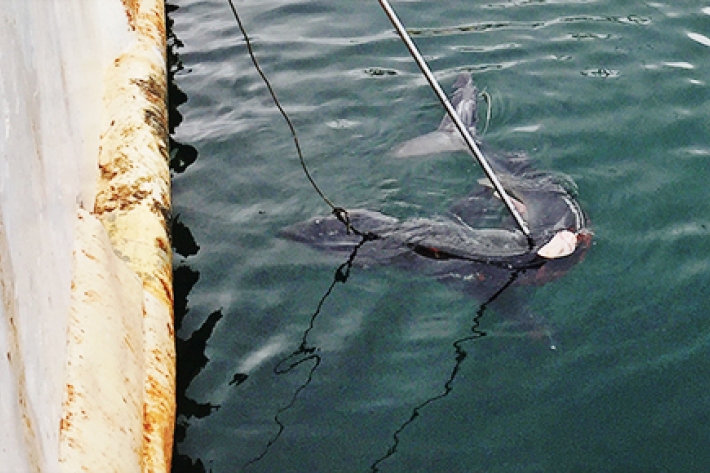
Shark conservation one watermelon at a time
Media release02 July 2018Warrick Lyon is heading to the Marshall Islands to teach fisheries observers how to tag sharks. -

Water sensitive urban design: a concrete case
Feature story27 June 2018The hard concrete surfaces that characterise New Zealand towns and cities are barely likely to register as a problem with most people. But they're never far from the minds of our urban water researchers. -

Overview of environmental flow tools
Methods/tools that can be used to assess ecological flow requirements in rivers with varying degrees of hydrological alteration and instream values. -
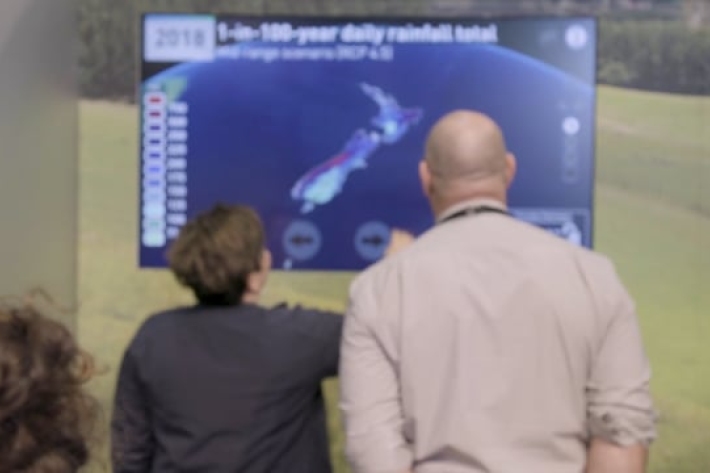
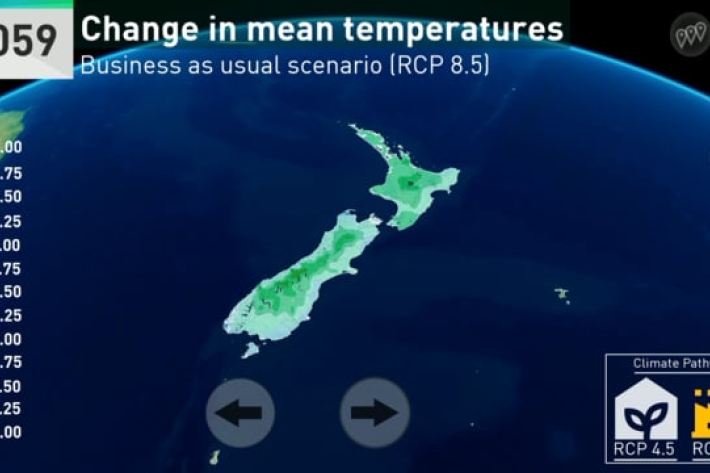
Climate change touch screen - Fieldays
The touch screen in action at Fieldays.revealing how our climate will change across the country. -

NIWA seaweed scientist tackling global climate change issue
Media release21 June 2018One of the world's leading scientific publishers has named a paper cowritten by a NIWA scientist as one of 250 groundbreaking findings that could "help change the world". -
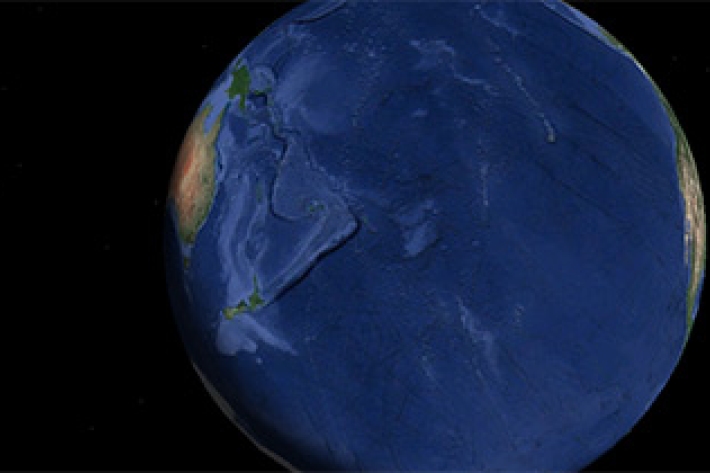
NZ scientists launch their part in bold project to map seafloor
Media release20 June 2018New Zealand’s contribution to an ambitious international project aiming to generate a definitive map of the entire ocean floor in less than 12 years, is being launched in Wellington tomorrow.