-

Atmospheric ozone, ultraviolet radiation, and stratospheric change
Research ProjectCFCs have damaged the ozone layer and led to higher UV levels and increased health risks. Our role is to understand the causes and effects of ozone depletion, to inform the public of the risk. -

Horticultural activities
Land is tilled, sowed, and harvested for horticultural crops to grow. -
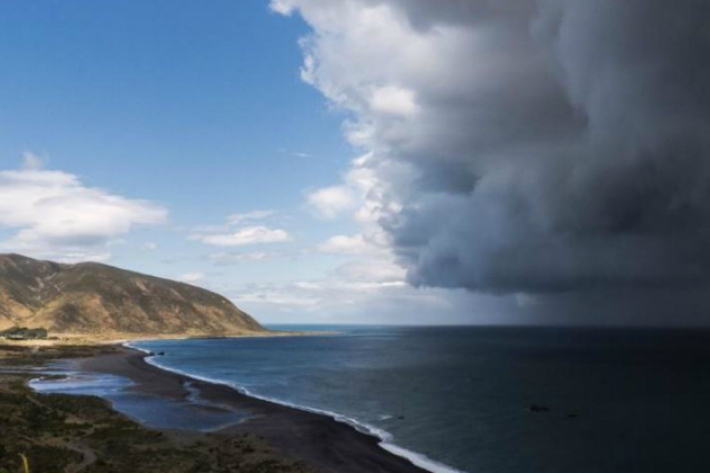
The impact of El Niño and La Niña on New Zealand's climate
El Niño accounts for less than 25 percent of the year-to year variance in seasonal rainfall and temperature at most locations in New Zealand. -
How cold is the Antarctic?
Write a report, with guided questions, to answer the question: “How cold is the Antarctic?” -
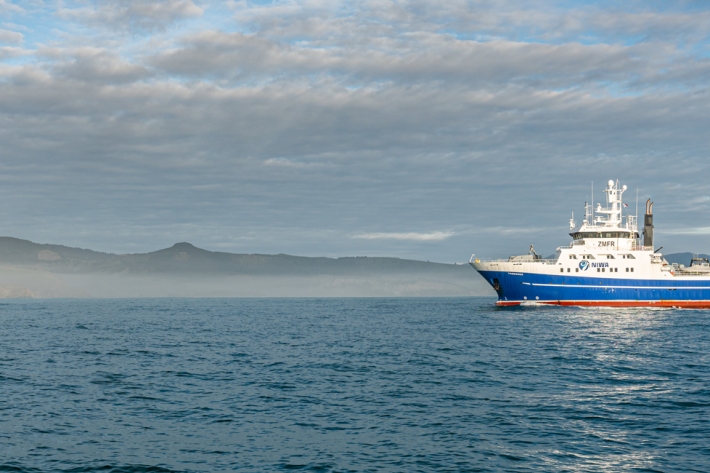
Applying for vessel time
Find out how you can have access to Earth Science NZ's research vessels to carry out marine research voyages. -

Chemical contamination and wastewater
What are the potential sources of chemical contaminants in wastewaters? -
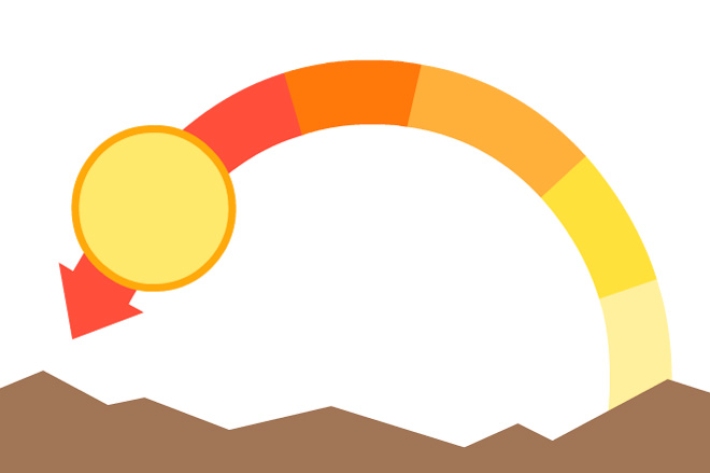
SolarView help
This calculator estimates the solar energy that can be collected by a solar capture device (solar panel) at a given address, panel direction and roof slope. -

River Environment Classification
The River Environment Classification (REC) is a database of catchment spatial attributes, summarised for every segment in New Zealand's network of rivers. -
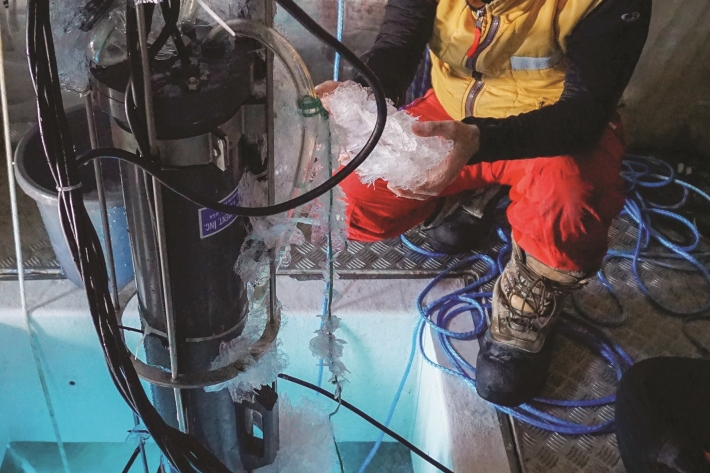
Coldest seawater discovered
Feature story06 June 2017The coldest seawater on earth could help scientists understand why Antarctic sea ice is growing in a warming world -
Inanga
Inanga are the predominant species in the modern whitebait fishery. -
Impacts of wood processing
Impacts of timber processing activities on water quality and mahinga kai.