-

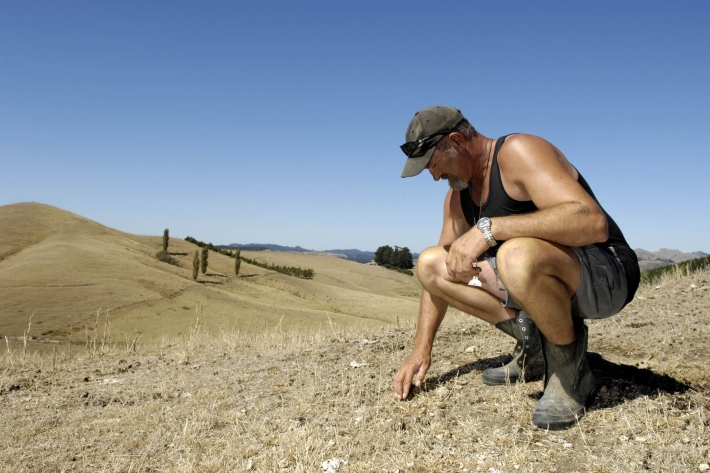
How do we determine past climate?
Information about past climate is obtained from piecing evidence together from various sources. -
Temperature changes
Temperature affects the number and type of animals and plants that live in a waterway. -
Tuna - tuna heke (downstream migrants)
Once eels become migrants (also known as tuna heke or tuna whakaheke) they stop feeding, and progressively develop the external features that clearly distinguish them from 'feeders'. -
Dissolved oxygen
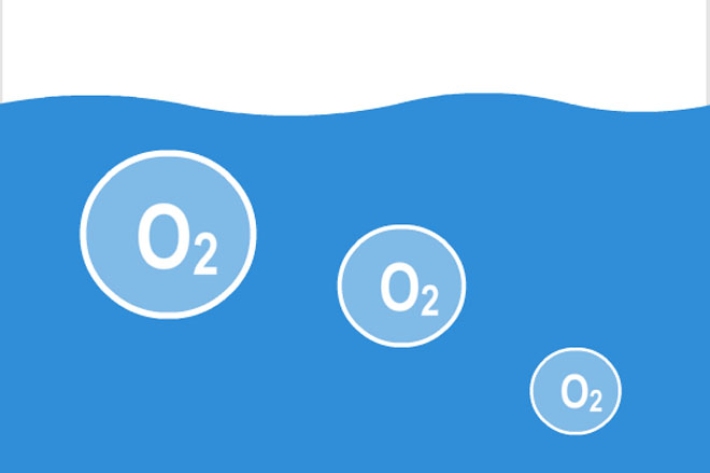
Dissolved oxygen (DO) is a relative measure of the amount of oxygen (O2) dissolved in water. -
Nutrients and wastewater
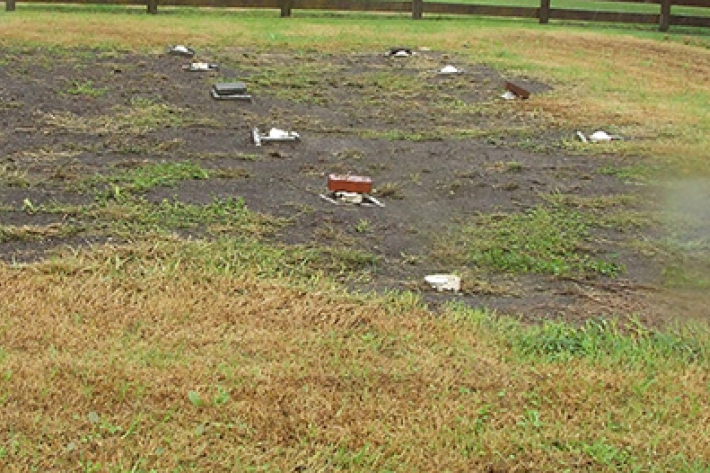
How do nutrients from wastewater treatment enter waterways? -
Rainfall Deciles (RD)
If you list all the historic rainfall totals for a particular month and for a specific location, rank these from lowest to highest, then divide the list into ten equal parts, you have identified the ten rainfall deciles for that month and for that location. -
Native forests absorbing more carbon dioxide
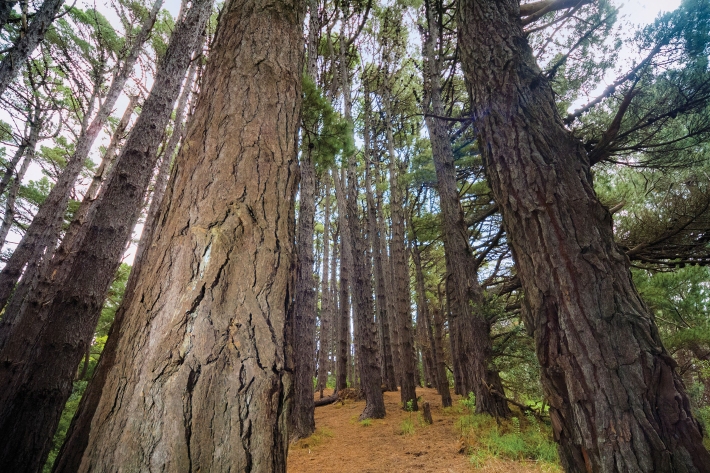
Media release06 June 2017New Zealand’s forests and other land areas may be absorbing up to 60% more carbon dioxide than has been calculated, with much of this uptake likely occurring in native forests, NIWA scientists have discovered. -

Generating synthetic wind data
Research ProjectNIWA has recently created synthetic, multi-year, 10-minute wind datasets at 15 wind farm sites across New Zealand. These will be used by the Electricity Commission to model the impact of wind farms on the national grid.