-
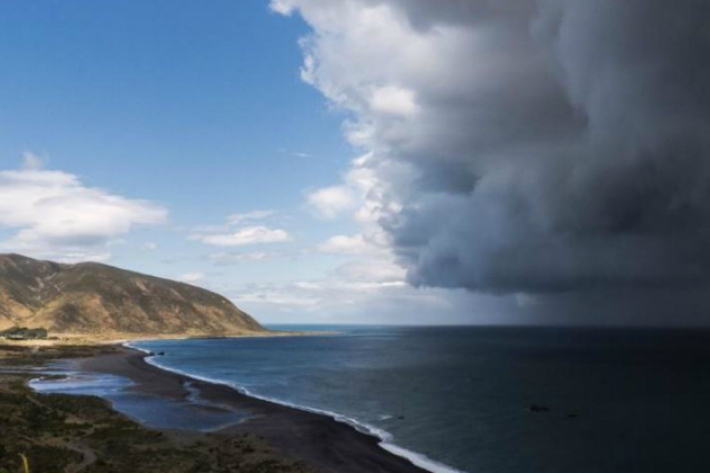
The impact of El Niño and La Niña on New Zealand's climate
El Niño accounts for less than 25 percent of the year-to year variance in seasonal rainfall and temperature at most locations in New Zealand. -
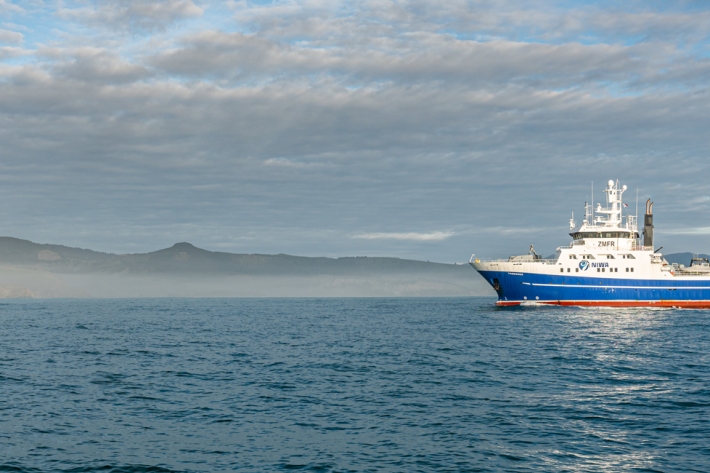
Applying for vessel time
Find out how you can have access to Earth Science NZ's research vessels to carry out marine research voyages. -

Chemical contamination and wastewater
What are the potential sources of chemical contaminants in wastewaters? -

NOAA Satellite data
Like the GMS satellite, the NOAA Series of polar orbiting satellites (operated by NOAA, the US National Oceanic and Atmospheric Administration) are a component of the World Weather Watch meteorological satellite network. -

River Environment Classification
The River Environment Classification (REC) is a database of catchment spatial attributes, summarised for every segment in New Zealand's network of rivers. -
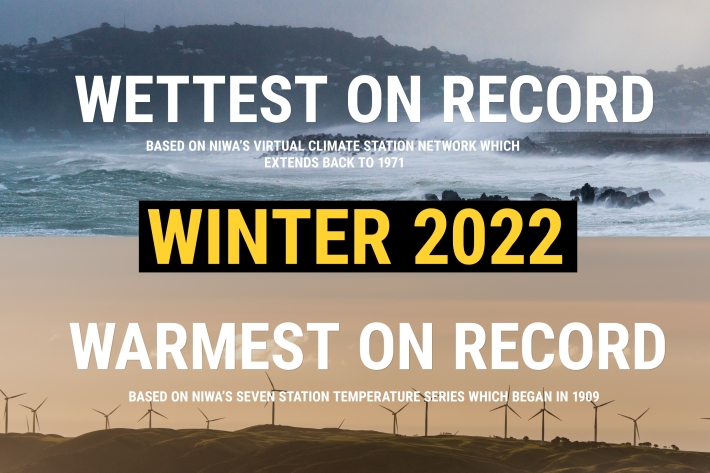
NZ's warmest and wettest winter on record
Media release06 June 2017NIWA’s climate scientists can now confirm what you may have suspected. After carefully poring through more than a century’s worth of data, it has been officially determined that winter 2022 was Aotearoa New Zealand’s warmest and wettest on record. -

Map Sw North
Education ResourceBecause of its exposure to disturbed weather systems from the Tasman Sea, this climate zone is often quite windy, but has few climate extremes. -
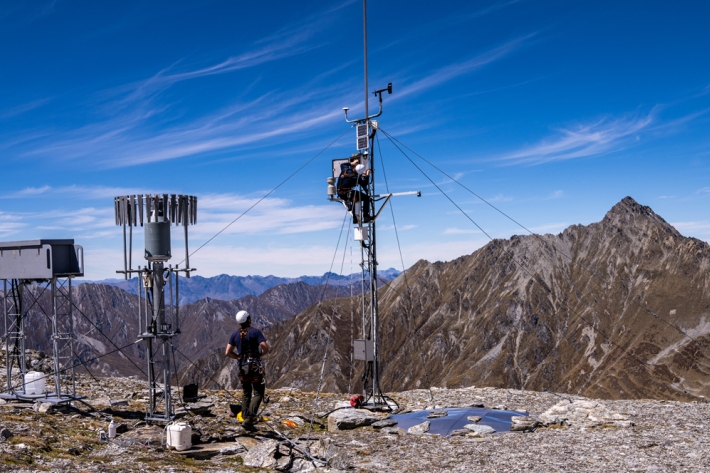
Statement of Corporate Intent
This Statement of Corporate Intent (SCI) sets out NIWA's strategy for delivering against its core purpose over the next five years. -
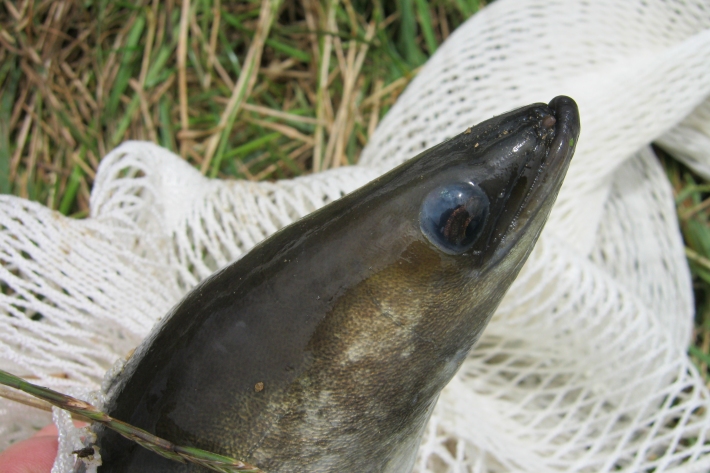
Tuna information resource
Tuna, or freshwater eels, are the most widespread freshwater fish in New Zealand. This 'living' educational resource summarises a large amount of scientific and technical literature.