-
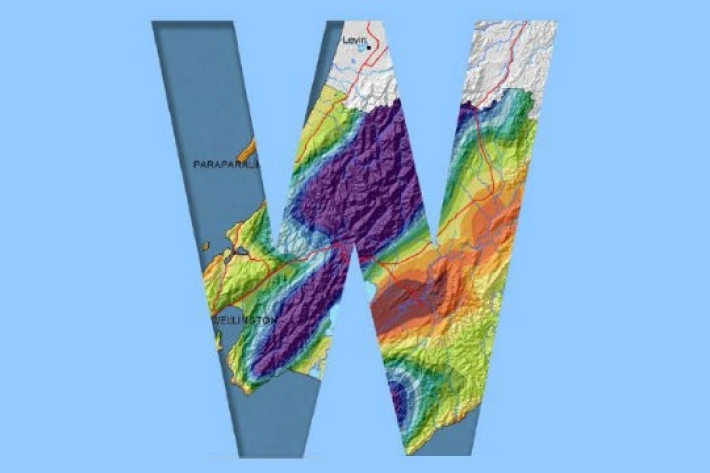
Regional climatologies
A regional climatology is a summary of the typical weather and climate of a region, based on historical data observations made at climate stations located within the region. -

Publicly available data and publications
FacilityNIWA makes available and regularly updates results from several greenhouse gas measurement projects. -

Atlantis ecosystem model
Atlantis is a 3D, spatially-explicit, trophodynamic ecosystem model that integrates biology, physics, chemistry and human impacts to provide a synoptic view of marine ecosystem function. -

Summer Series 6: Nippy creatures that share your swim
News article06 June 2017 -
Mitigation and best practice options
Some simple steps to minimise the effects of aquaculture activities on water quality and mahinga kai. -

Understanding and predicting floods and their impacts
Feature story06 June 2017Floods are not unusual in New Zealand, but those that hit us early this winter broke records. Why did they occur? Should we expect more? Can we predict future floods? -
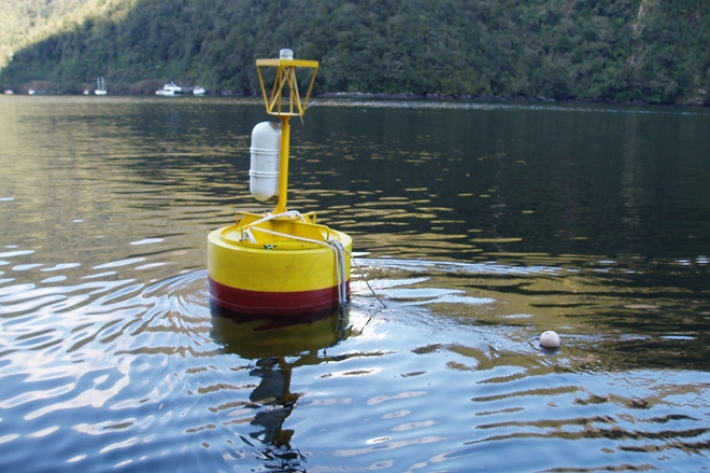
Analysis of water quality trends
NIWA has developed a powerful software tool for the analysis of water quality data. -
Software tools
NIWA develops and supplies custom software for environmental analysis and modelling. -
Map North
Education ResourceThis is a sub-tropical climate zone, with warm humid summers and mild winters. -
Tuna - age and methods of ageing
Currently, the most reliable method to estimate the age of tuna is by examination of their otoliths or "ear bones"