-
Scholarships
Scholarships available to both Masters and undergraduate students in the fields of fisheries science and marine biology. -

Kōaro
Kōaro are excellent climbers and like clear, swiftly flowing, forested streams. -
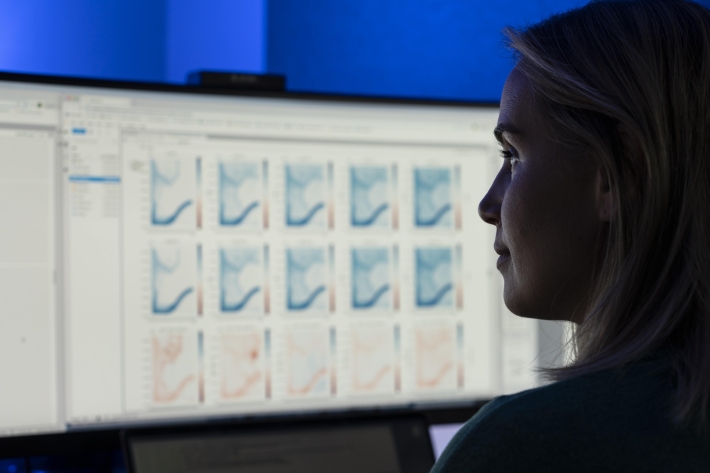
Daily climate maps
These climate maps are updated daily and are based on data from our National Climate Database. -
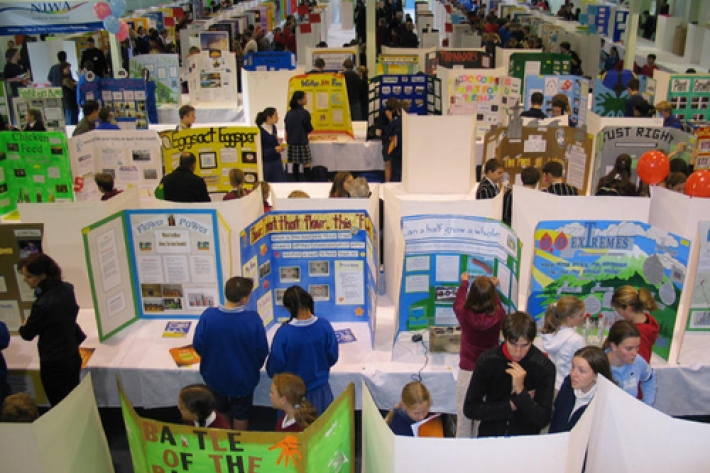
Working with schools
We sponsor regional science and technology fairs around New Zealand and support learning programmes that bring science into the classroom. -
Map I South
Education ResourceThe climate of this zone is largely dependent on the lie of the Southern Alps to the west, but many areas are also sheltered by high country to the south and east. -
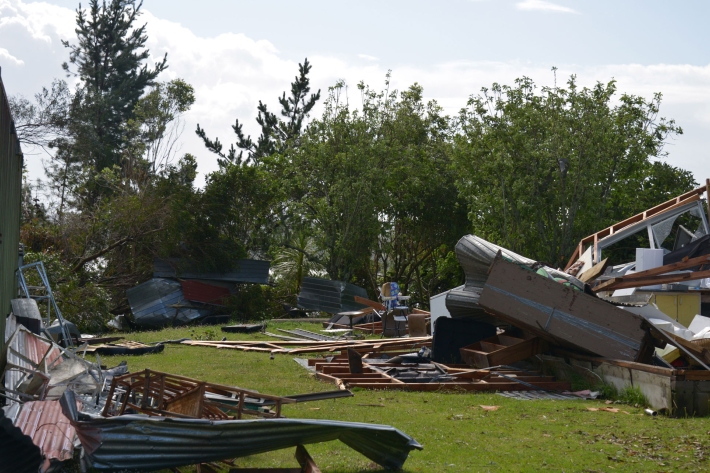
Extreme weather - winds and tornadoes
Education ResourceDue to its position in the 'Roaring Forties', a belt of strong winds in the Southern Hemisphere which generally occur between the latitudes of 40 and 49 degrees, as well as its small size, New Zealand is a windy country. -
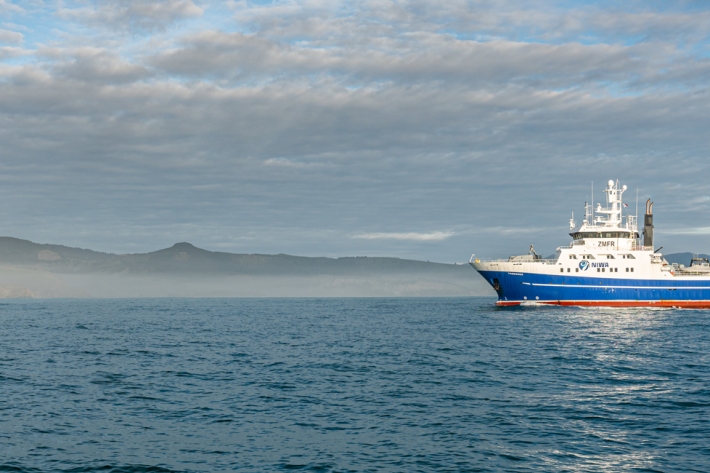
Applying for vessel time
Find out how you can have access to Earth Science NZ's research vessels to carry out marine research voyages. -
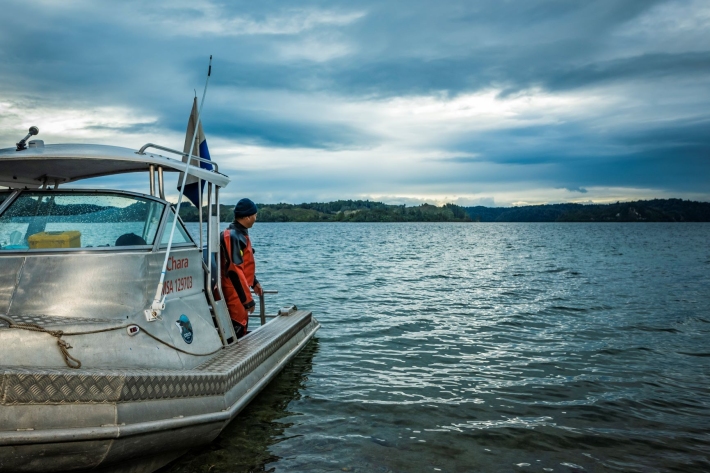
Other vessels
FacilityNIWA operates about 30 other Maritime New Zealand-certified vessels based at Bream Bay, Auckland, Hamilton, Rotorua, Turangi, Wellington, Nelson, Greymouth, Tekapo, Christchurch, and Dunedin. -

Chemical contamination and wastewater
What are the potential sources of chemical contaminants in wastewaters? -
Water temperature and hydro
How do hydro-electricity activities potentially influence waterway temperatures?