-
Chemical contamination and agriculture
What are the potential sources of chemical contamination from agricultural activities? -
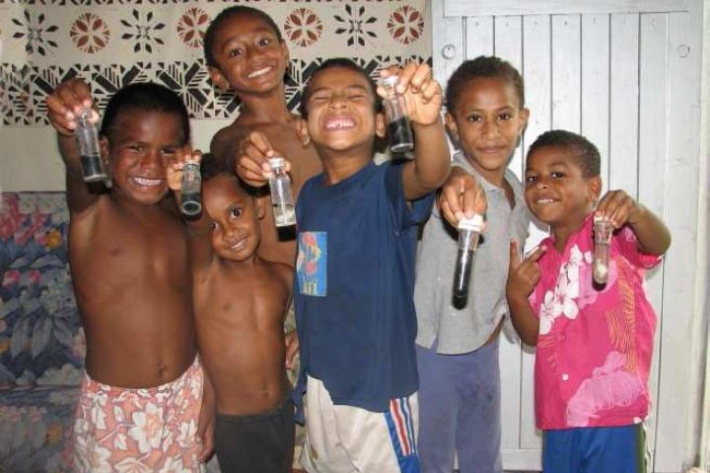
Development of sustainable water supply and treatment systems for a coastal Fijian village
Research ProjectThis collaborative NZaid project worked with coastal Fijian villagers at Votua on the Coral Coast of Viti Levu to develop pragmatic water supply and waste treatment solutions to protect public health and reduce contamination of coastal waters. -
Gisborne
In comparison with regions exposed to the west, Gisborne experiences a greater number of weather and climatic extremes. -

Tornadoes - how frequently do they hit New Zealand?
News article06 June 2017Tornadoes, like the one that hit Auckland's western suburbs today, are relatively rare events in New Zealand. -

The process
The process of coming to work with us has five steps: applying, a phone interview, a face to face interview, background checks, and an offer. -
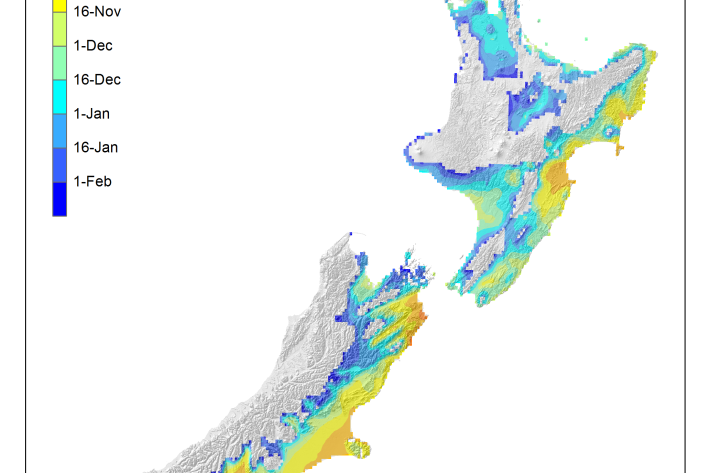
Average soil moisture deficit onset and termination maps
Maps of the average first and last dates of soil moisture deficit are shown here. -
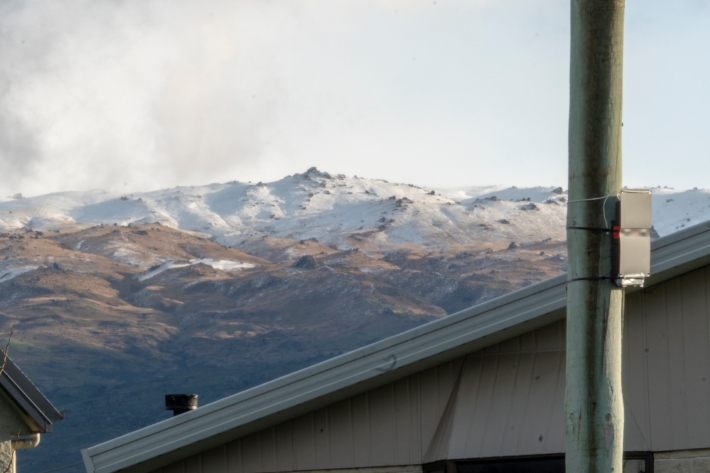
Air quality monitoring with low-cost sensors
ServiceNIWA provides ambient air quality monitoring services using low-cost ODIN (Outdoor Dust Information Node) sensors. -
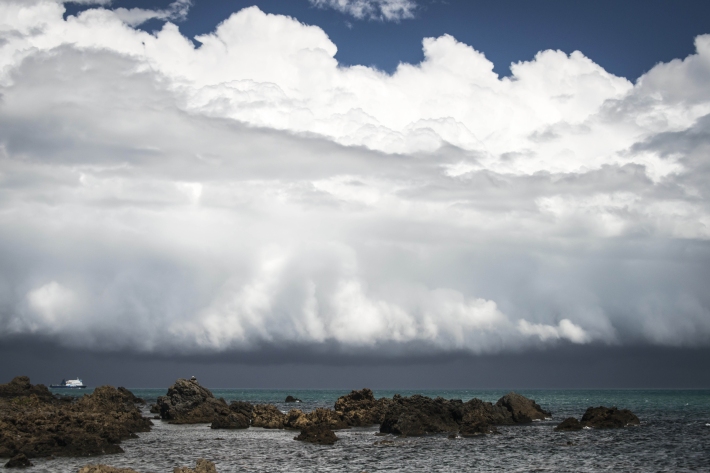
Clouds
Education ResourceCommon questions about clouds, how they are formed and how they behave.