-

Building pathways
Feature story28 July 2020It has been a whirlwind first six months for Ngāpera Keegan and Tekiteora Rolleston-Gabel, the first two young researchers in NIWA’s newly established Māori Graduate Internship Programme. -

Locked down, but breathing freely
Feature story28 July 2020Some of the most striking images of lockdown around the world have been the blue skies of cities ordinarily choking in smog. From New Delhi to Los Angeles, Beijing to Paris, the changes were so remarkable they were visible from space. -
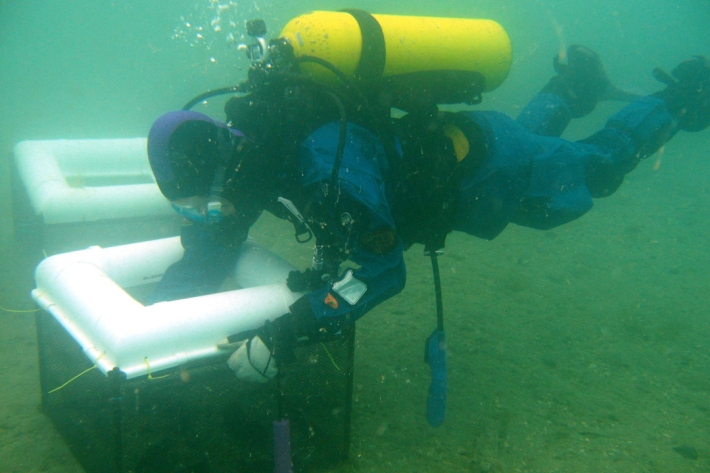
Concepts in sustainable aquaculture - IMTA
Media release23 July 2020New ways to address environmental sustainability challenges. -
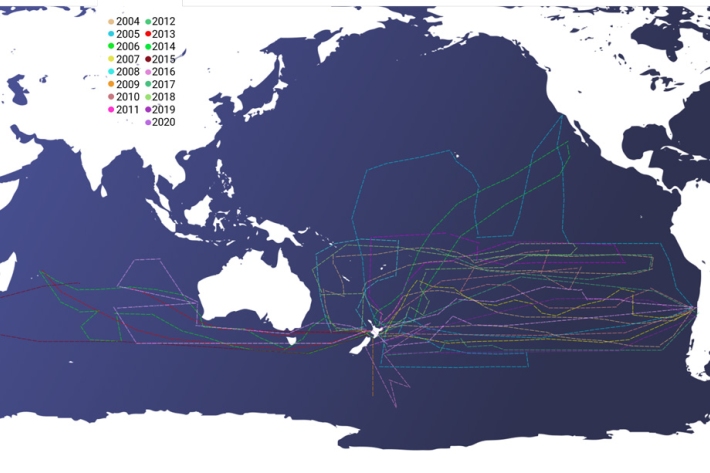
NIWA crew face record time at sea
Media release21 July 2020Coronavirus border restrictions mean six NIWA staff face four straight months at sea in a bid to keep an international ocean research project afloat. -
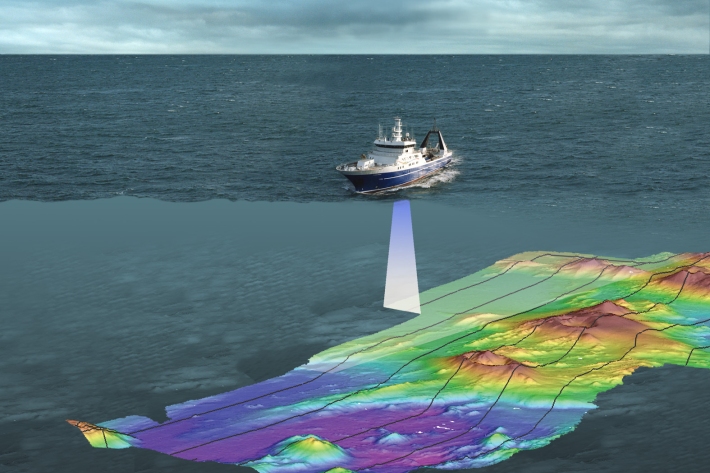
NIWA mapping seafloor around Whakaari/White Island
Media release16 July 2020NIWA scientists are heading to the waters around Whakaari/White Island in the Bay of Plenty next week to survey changes to the seafloor. -

The climate record that keeps getting broken
Media release03 July 2020Among the multitude of New Zealand climate statistics there is one record that continues to be broken month after month. -

New ocean data from under the world’s biggest ice shelf
Media release30 June 2020New measurements from the ocean under the centre of the Ross Ice Shelf have significantly improved our understanding of the complex processes that drive melting in Antarctica. -
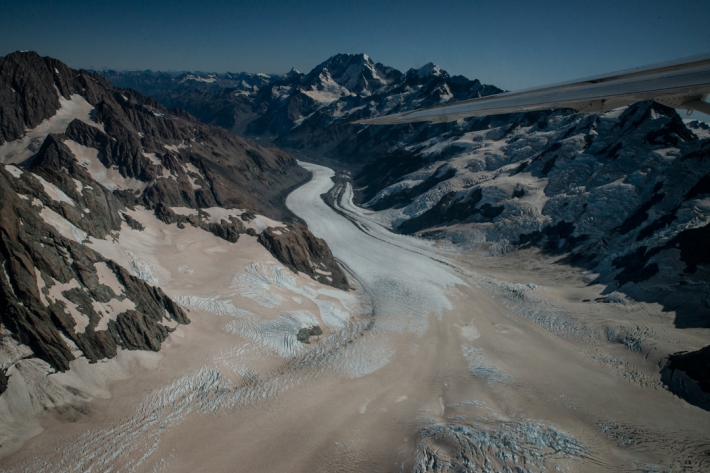
Glaciers continue to melt away
Media release24 June 2020Scientists analysing end-of-summer snowline survey photos have estimated that 13 million cubic meters of ice have been lost from just one glacier from 2016 to 2019. -
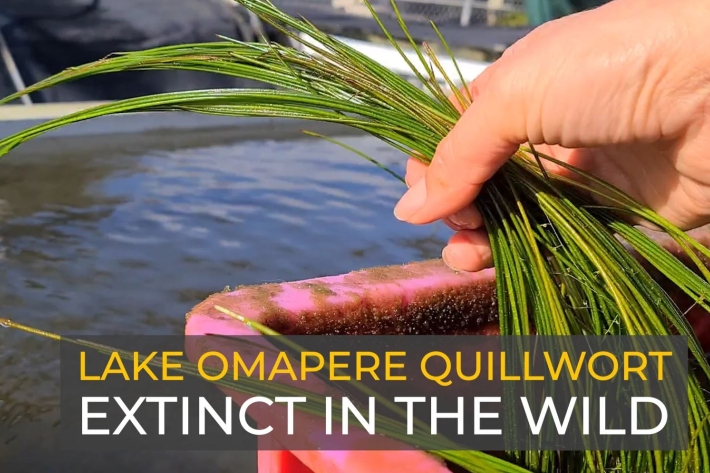
Scientists nurturing only plant of its kind
Media release11 June 2020For more than 20 years NIWA scientists have been nurturing three plants that are the only examples of their kind in existence. -
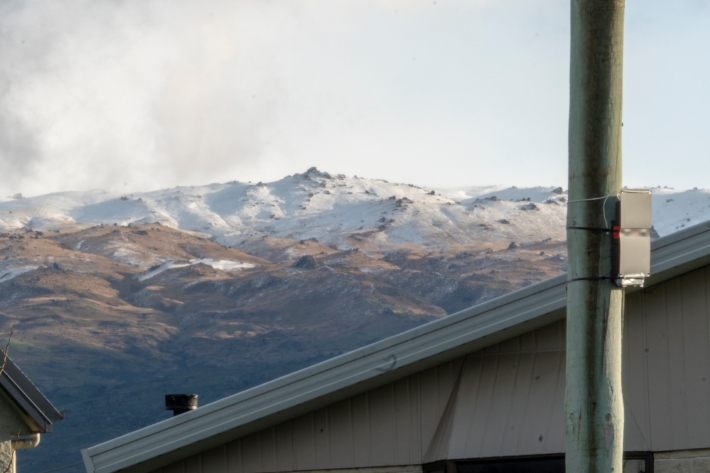
Fresh scientific scrutiny for Arrowtown air
Media release05 June 2020NIWA scientists have set up air quality sensors every 100 metres across Arrowtown in what is believed to be the world’s densest air monitoring network. -
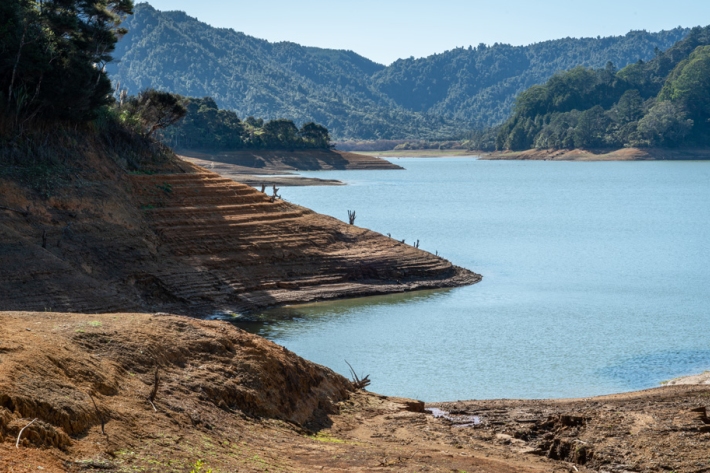
Auckland’s drought most extreme in modern times
Media release22 May 2020This is one of the most extreme drought events for Auckland in modern times and similar to one experienced in 1993/94. -
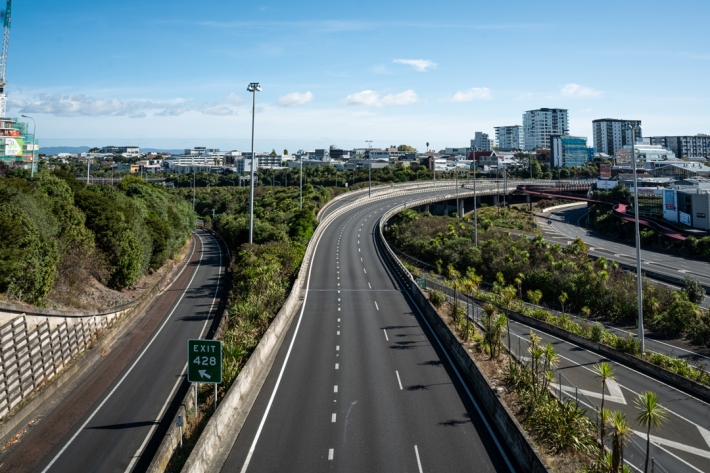
Seven weeks of clearing the air provides huge benefits
Media release18 May 2020Seven weeks of lockdown has provided evidence of how pollution can vanish overnight with benefits for the environment and individuals, says NIWA air quality scientist Dr Ian Longley.