-
Future Coasts Aotearoa
Transforming coastal lowland systems threatened by sea-level rise into prosperous communities -
Science to respond to our changing climate: teaching climate adaptation
Climate adaptation resources for teachers -
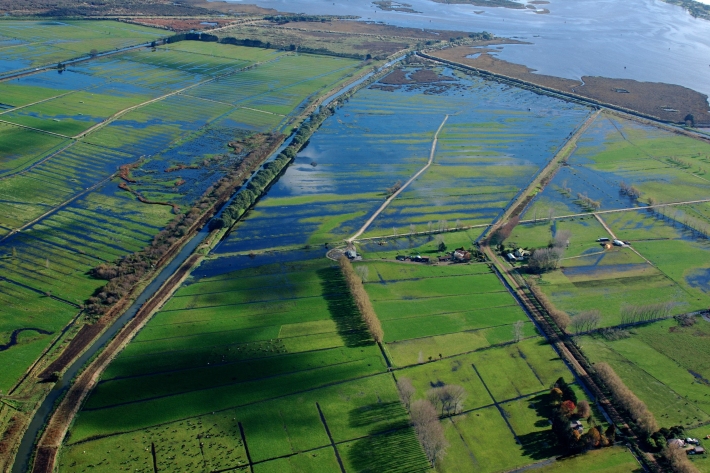
About Future Coasts Aotearoa
Learn more about the project -
Tides
Research ProjectOn this page, you can find information about tide forecasts, sea-level network, tidal model of New Zealand's EEZ, and red-alert days for coastal flooding. -

Tide Forecaster
ServiceNIWA's Tide forecaster provides tidal data for any point in New Zealand. -
Cam-Era
ServiceCam-Era is a network of computer-controlled cameras that monitor the New Zealand environment for research and resource management. These are also useful for surfers and swimmers. -
Higher and drier – the cost of raising homes
Media release30 August 2023New research shows that in some cases, lifting houses may be a cost-effective way to reduce intermittent flooding risk. -

New maps reveal places at risk from sea-level rise
Media release25 May 2023New maps from NIWA and the Deep South National Science Challenge show areas across Aotearoa New Zealand that could be inundated by extreme coastal flooding. -

New technology gives sea safety hopes
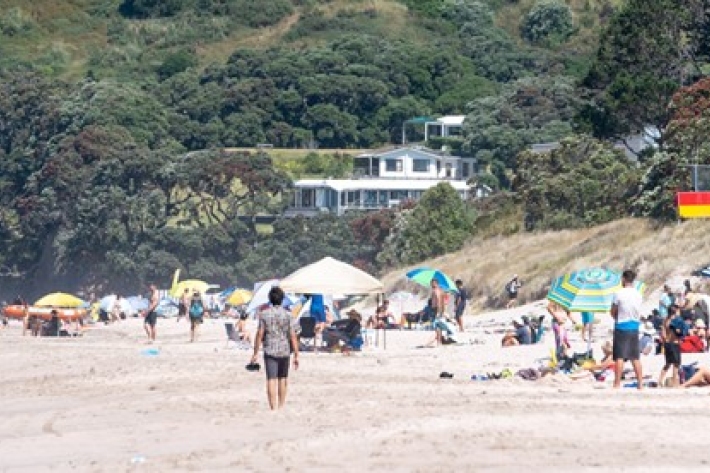
Media release27 December 2022Beachgoers could be safer thanks to a new technology with the potential to give real-time updates of rip currents. -
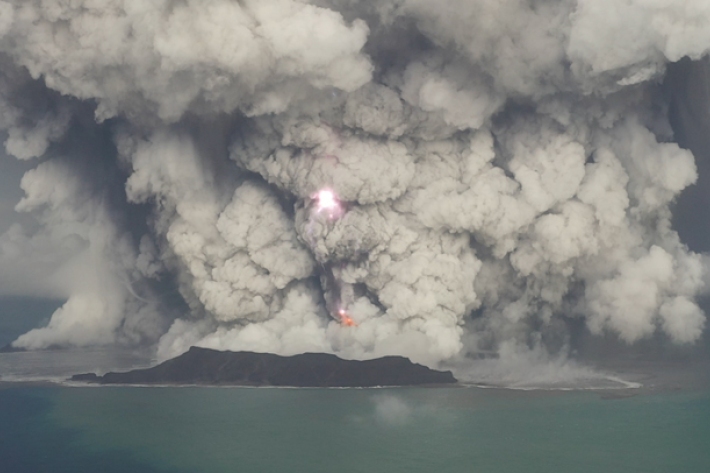
Making big waves in the Pacific
Feature story15 December 2022Prior to 15 January, Hunga Tonga-Hunga Ha'apai was a little-known undersea South Pacific volcano with a long name. Within 24 hours, it was a global phenomenon – the site of the largest atmospheric explosion in almost 150 years. Jessica Rowley looks at why a remote Tongan volcano took the world by storm. -
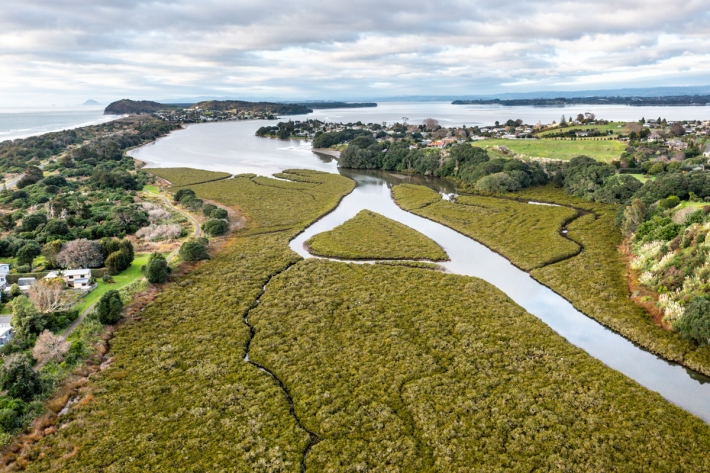
Understanding the threat of sea level rise to NZ’s wetlands
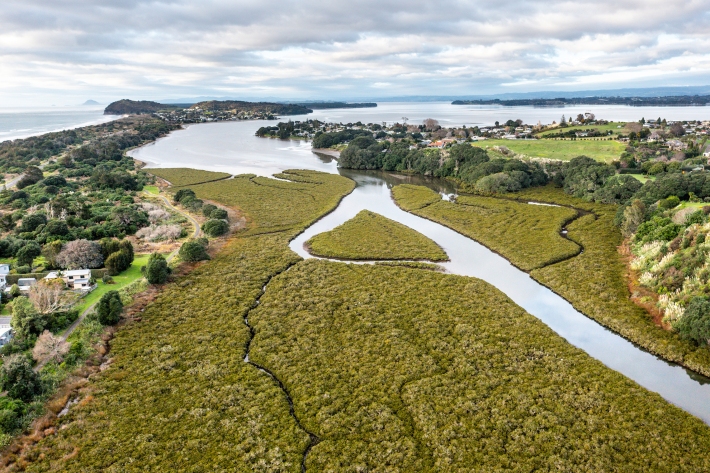
Media release07 October 2022Specialised monitoring equipment has been installed in Bay of Plenty estuaries to understand whether our coastal wetlands can survive the threat of inevitable sea-level rise. -
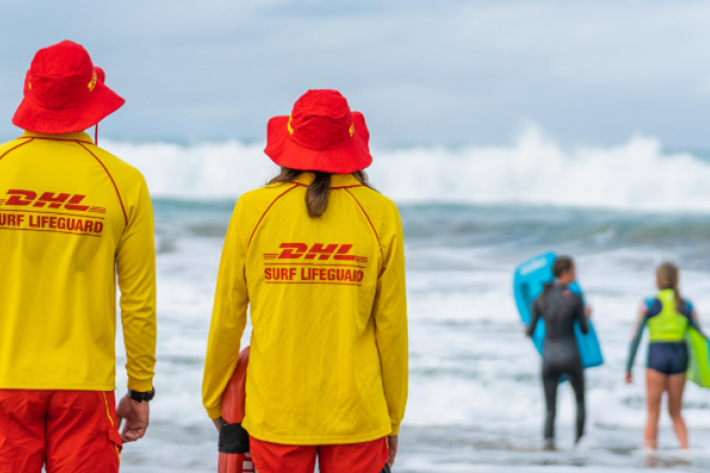
Identifying rip currents using artificial intelligence
Research ProjectNIWA and Surf Life Saving New Zealand are working together to develop a state-of-the-art, rip current identification tool.