-
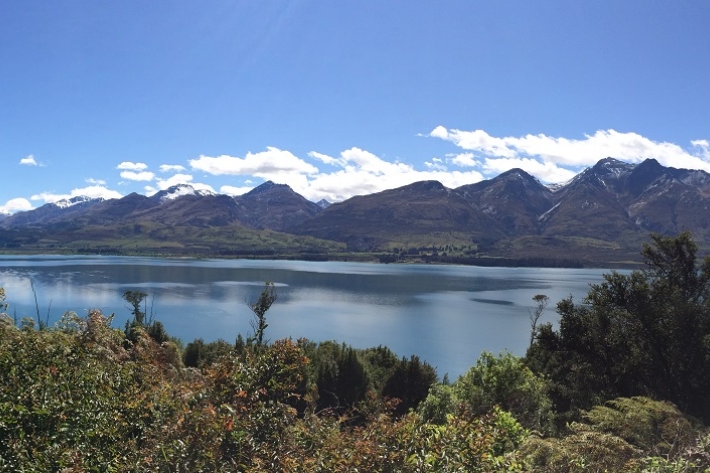
Ngā Kete o te Wānanga: Mātauranga, Science and Freshwater Management
Research ProjectNew Zealand’s freshwater and estuarine resources provide significant cultural, economic, social, and environmental benefits. Competition for the use of these resources is intensifying, and many rivers, lakes and estuaries are now degraded. -
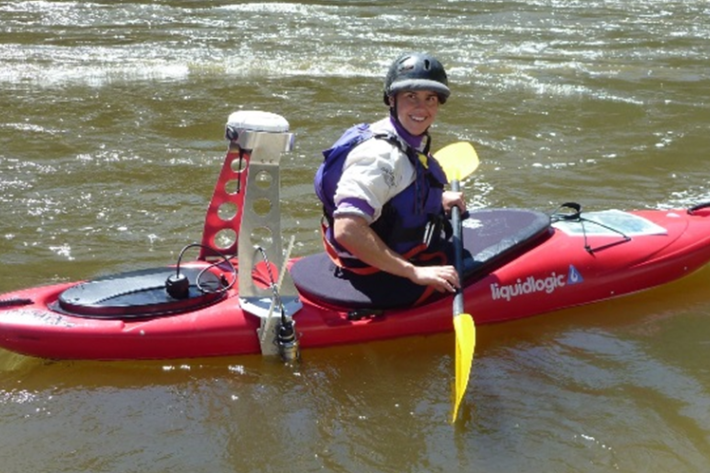
Geomorphology influences periphyton abundance
Research ProjectThis research project investigated whether the mechanisms for periphyton removal in rivers relate more directly to hydraulic and geomorphic conditions than flow metrics. -

Monitoring and maintenance of kōura
Once you have identified the problem, and applied the necessary tools for restoring kōura to your stream, the next phase of your project is to monitor the site to see whether restoration works. -
Applying the right tools to restore kōura to lakes and streams
The tools available for restoring kōura to lakes and streams depend on what is causing kōura to decline. -
Why are kōura rare or absent in your waterway?
Habitat and biological factors factors affect why kōura rare or absent in your waterway. -
Are kōura present in your waterway?
First, determine if kōura should be present in your stream. -
Identifying the problem for kōura
Identifying the factors causing kōura numbers to decline will allow you to determine which restoration tools you need to employ. -
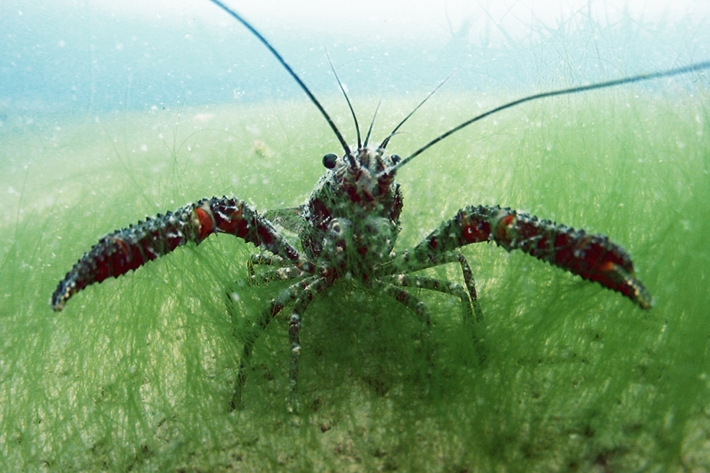
Guide to restoring kōura (freshwater crayfish) in lakes, rivers and streams
Habitat degradation and the introduction of exotic plant and fish species have adversely affected kōura populations throughout New Zealand. However, there are a number of measures that we can use to restore kōura populations in lakes, rivers and streams. -
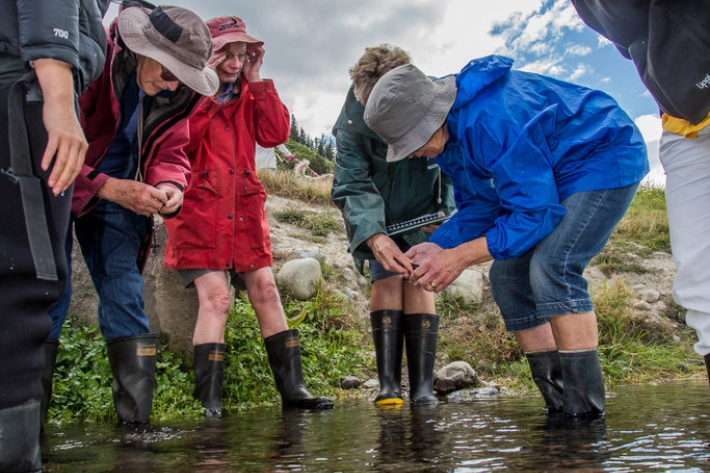
Citizen science monitoring of water a win-win, research shows
Media release12 December 2016New research has revealed that citizen science monitoring of water is a win-win for scientists and volunteers—one gains access to new data, and the other the skills and confidence to become involved in discussions over what is happening to their streams. -
Scientists helping to create safer communities
News article21 October 2013 -

Mapping our freshwater biodiversity
Research ProjectThe ability to properly manage our freshwater resources requires a solid understanding of the flora and fauna which live in and interact with them. -
Environmental flows - publications
These are some publications related to the Environmental flows programme.