-

Diquat use for submerged weeds
Diquat is a herbicide (chemical) that has been used in New Zealand for many decades for submerged (underwater) weed control and also on agricultural crops. It is registered for freshwater use in New Zealand. -
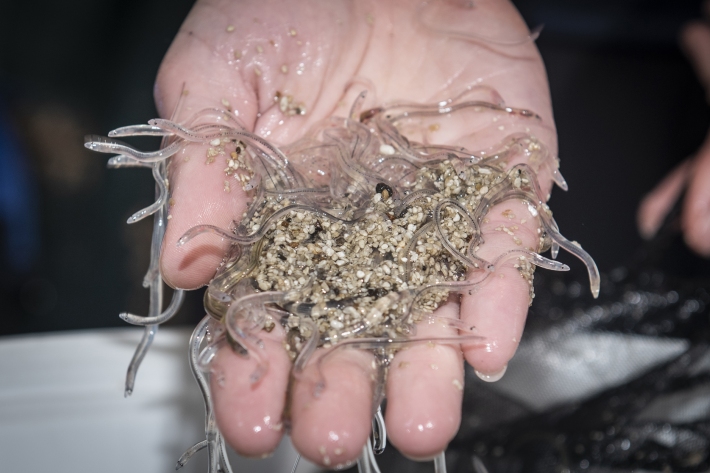
Freshwater species ecology and management
NIWA is helping to ensure that New Zealand’s unique and iconic freshwater species are healthy, abundant and thriving. -

SHMAK Manual
Download the entire manual or just the chapters you need. A printed version is also available. -
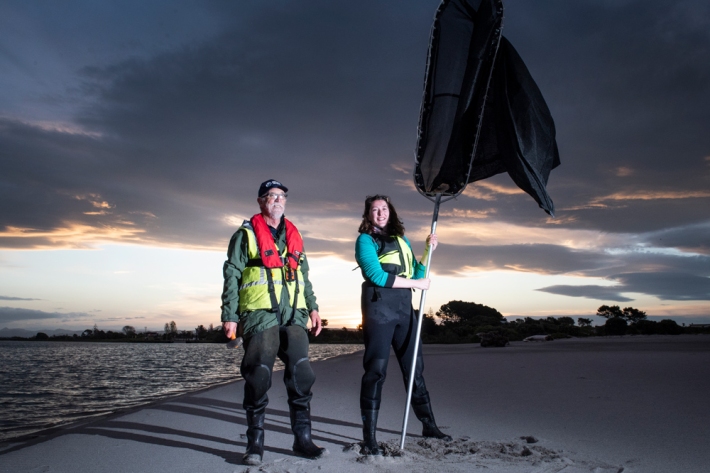
Unlocking the mysterious marine life of eels
Feature story01 February 2020Tiny, translucent eels may hold the answers to one of the fish world’s great mysteries. Zen Gregor investigates. -
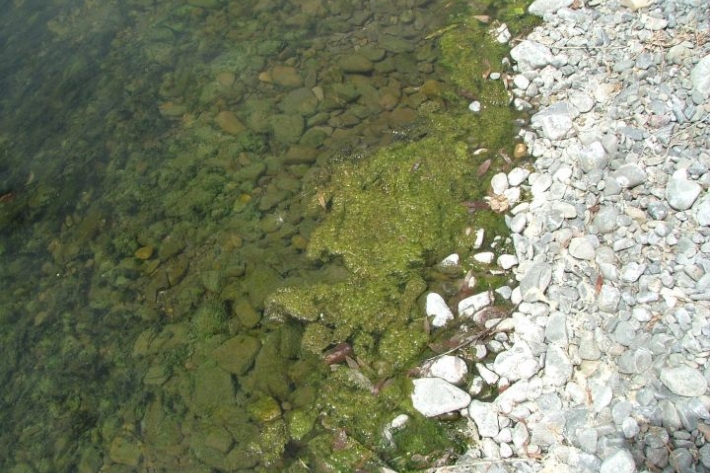
Stream periphyton monitoring manual
This manual prescribes a set of sampling and analysis protocols applicable to most of the common stream habitats in New Zealand. -
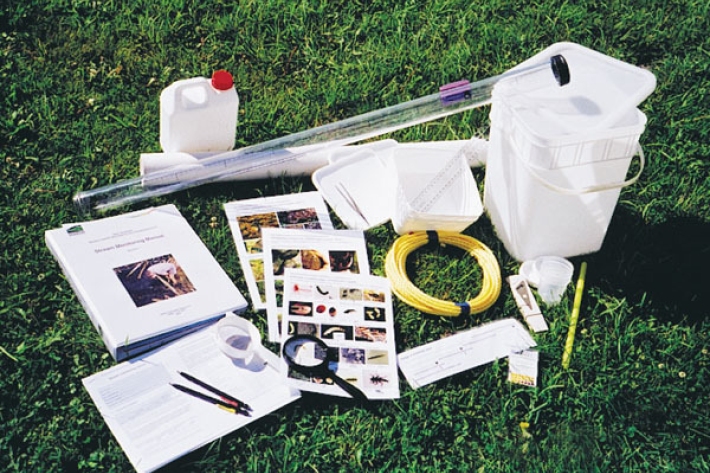
Stream Health Monitoring and Assessment Kit
ServiceHow healthy is your stream? SHMAK - the New Zealand Stream Health Monitoring and Assessment Kit - has been designed to help you find out. -

Identification and e-guides
Downloadable and printable guides on identification of common freshwater invertebrates found in New Zealand waterways and lakes. -

LakeSPI: Keeping tabs on lake health
Software Tool/ResourceThe condition of many NZ lakes is under threat from land-use changes and the invasion of alien aquatic plants. -

Submerged plants as bio-indicators
Submerged plants have a number of advantages that favour their use as indicators of lake ecological condition. -
LakeSPI method summary
A summary of the LakeSPI method. -

Reporting guidelines
LakeSPI delivers information that is directly applicable to lake-ecosystem conservation and management. -
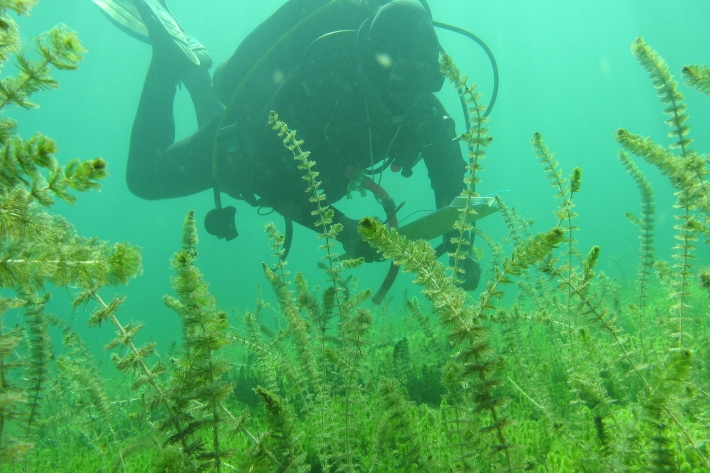
Uses of LakeSPI
LakeSPI can be used in many ways depending on what the interests or management needs are for a lake.