-
Availability of toothfish to predators – sea ice-based survey
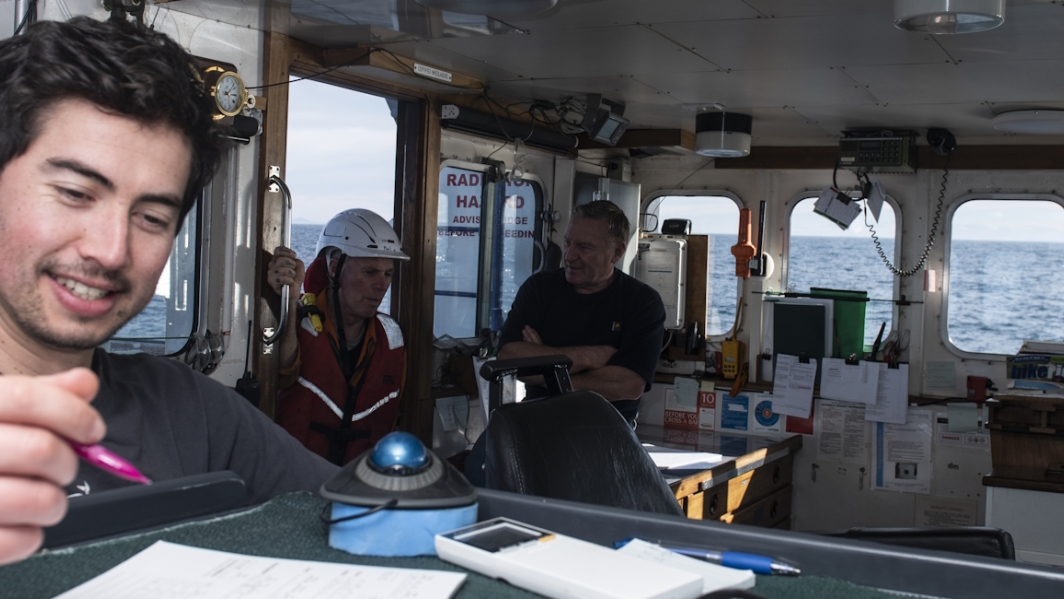
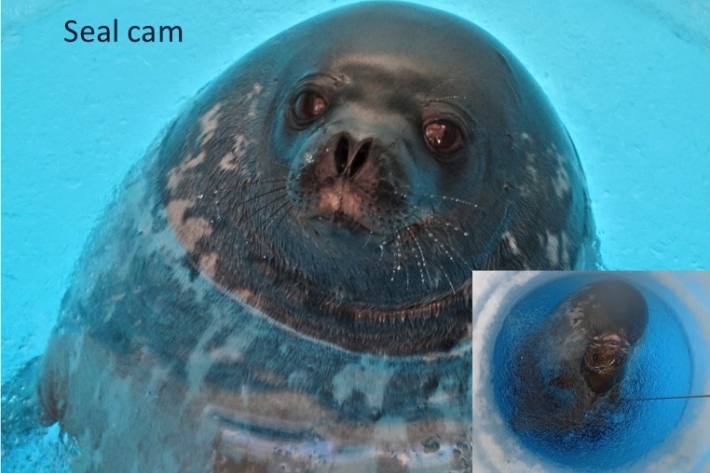
Sea ice-based toothfish surveys have been carried out in McMurdo Sound since 2014. -
Antarctic fisheries research publications
A bibliography of some of the journal papers and CCAMLR Working Group papers published about the toothfish fishery. -
Spatial management of the Ross Sea
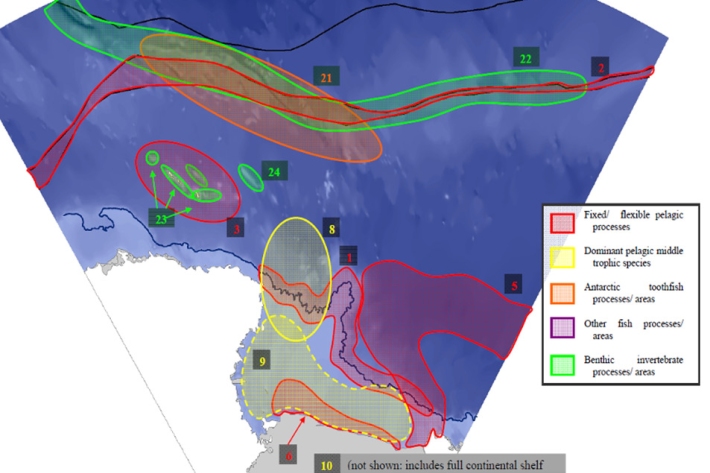
The fishery is managed differently depending on the region and specific environmental protection and fishery management objectives in the region. -
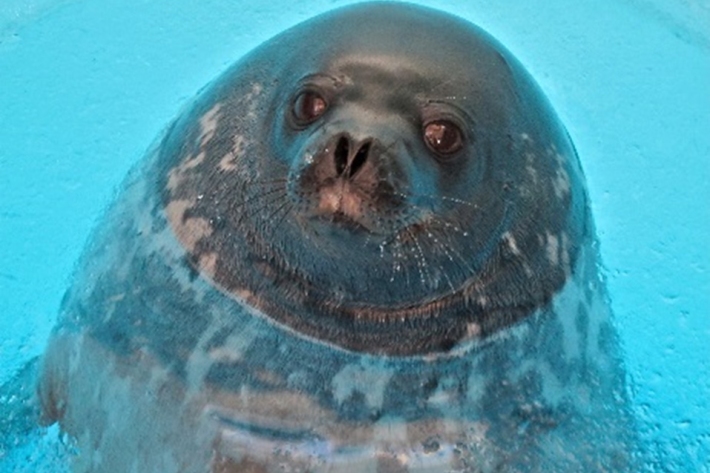
Ecosystem effects of fishing
Find out about the role of toothfish in the ecosystem and the potential effects of fishing. -
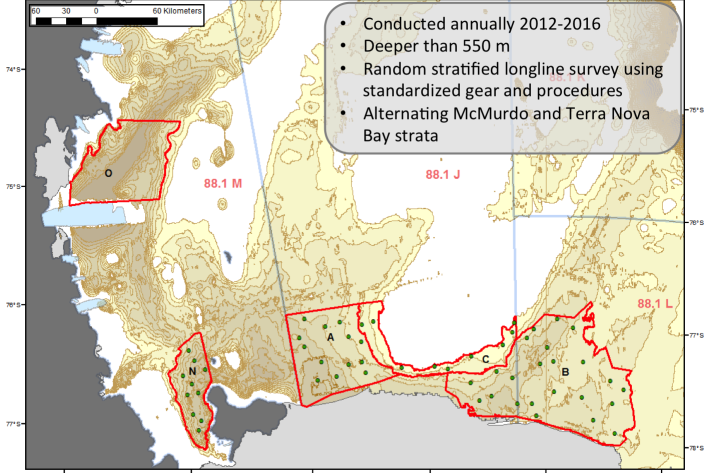
The Ross Sea shelf survey
A survey series in the Southern Ross Sea was started in 2011 to index juvenile abundance. -
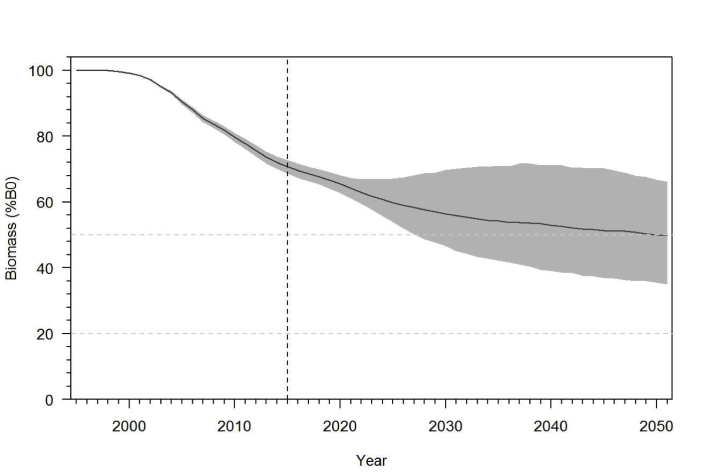
Antarctic toothfish stock assessment
CCAMLR sets annual catch limits, using a stock assessment model. -
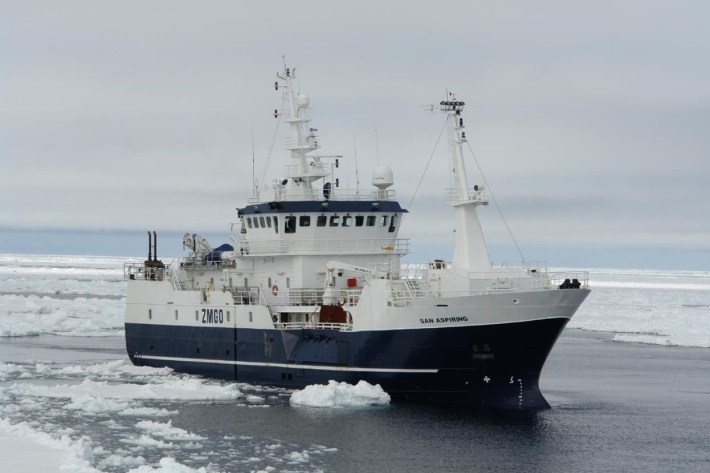
The toothfish fishery
Find out more about the toothfish fishery, including its history, catch, sea ice influences and fishery operational requirements. -
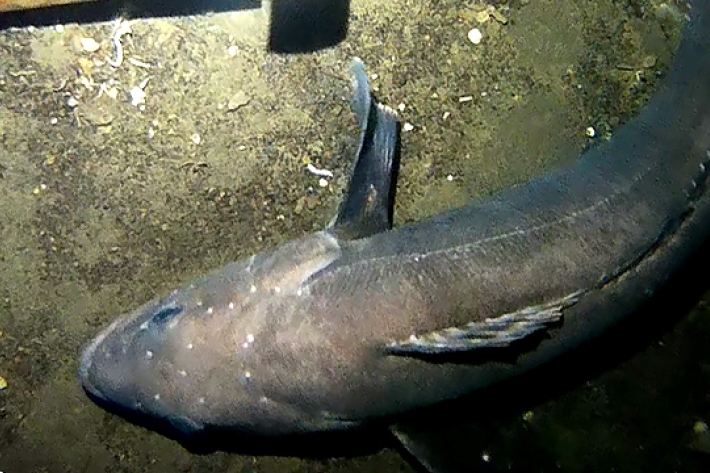
Toothfish life history
Find out about the biology of the Antarctic toothfish. -

Management of Antarctic fisheries
Find out more about fisheries in the Southern Ocean, New Zealand's role, and fisheries management. -

Even more flexibility with fisheries software CASAL II
Feature story07 March 2016NIWA-developed software is becoming the international standard in the assessment and management of fish stocks. -
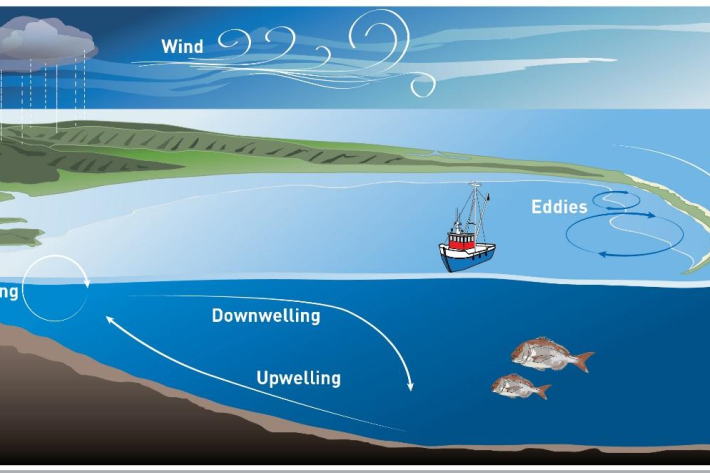
Ecosystem modelling
Research ProjectAt NIWA, we’ve developed an Atlantis model for the Tasman and Golden Bays region. We’re also developing one for the Chatham Rise. -
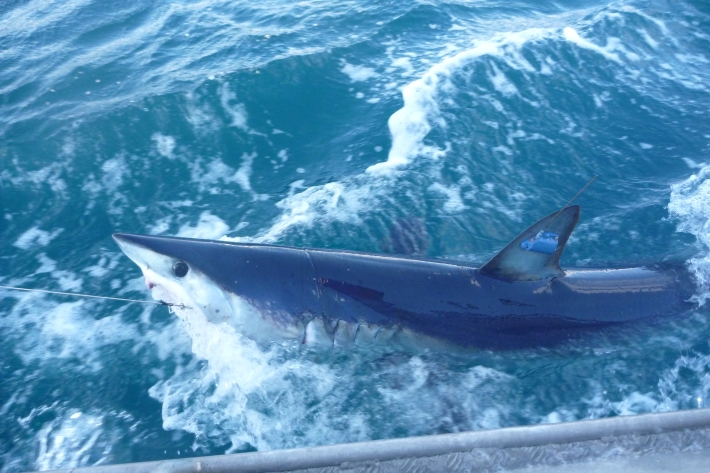
Summer Series Week 2: Sharks of summer
News article21 December 2015Everyone knows they’re out there, but how well do you know your sharks? NIWA looks at four of the most common sharks you’re likely to spot this summer.