-
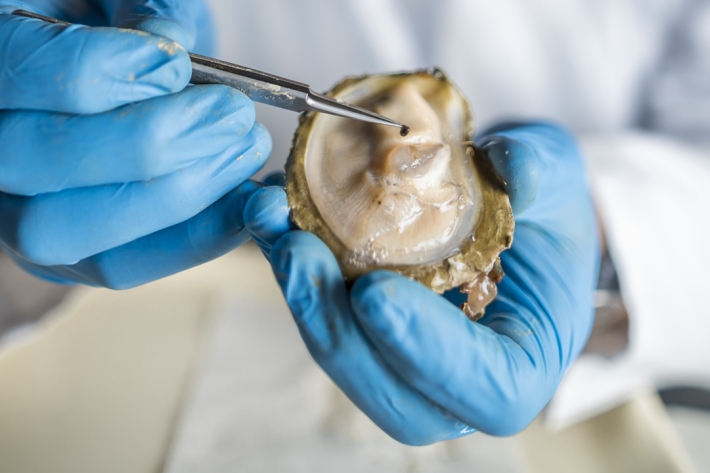
Double trouble from oyster pathogens
Feature story08 October 2017The spread of Bonamia ostreae from Marlborough Sounds to oyster farms in Big Glory Bay (Stewart Island) could spread to the valuable wild oyster population. -

Revealing toothfish secrets
Feature story05 October 2017The Ross Sea Marine Protected Area (MPA) in the Southern Ocean will help further research into the ecology of Antarctic toothfish. -
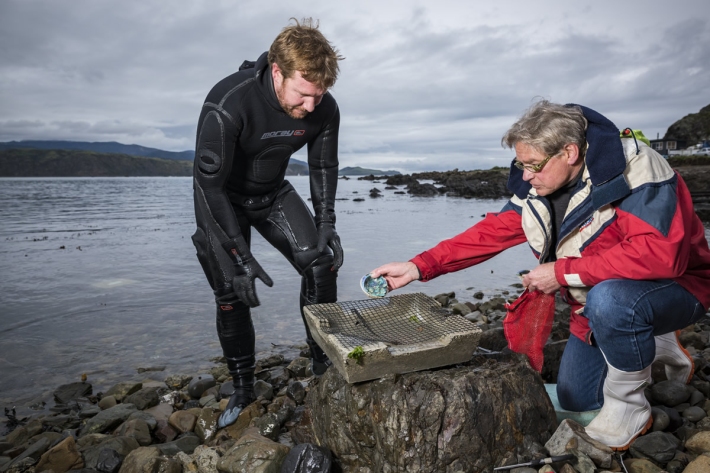
Scientist makes new homes for baby paua
Media release15 August 2017Concrete structures key to restoring the paua population wiped out by earthquake. -
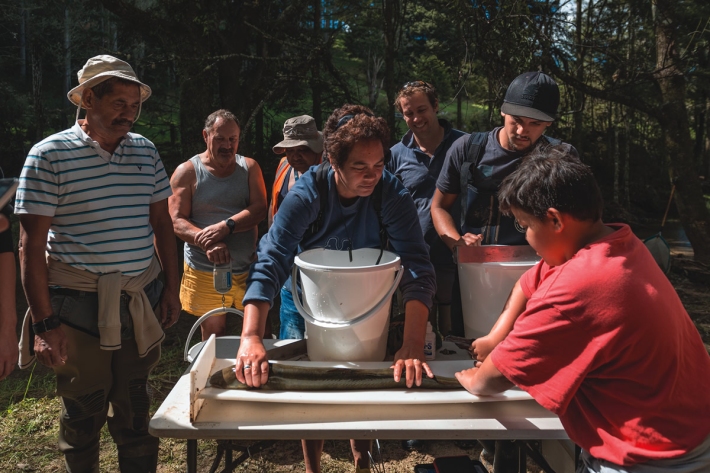
Hapū joins forces with NIWA in tuna research
Feature story20 June 2017Local hapū and NIWA are working together to find out more about juvenile freshwater eels or tuna in streams connecting to the Wairua River in the Wairoa catchment in Northland. -

Seafood sector
NIWA's seafood sector work comprises our fish, fisheries and aquaculture research and consultancy. -
What are whitebait?
Whitebait are the juveniles of five species of galaxiidae, a family of fish confined to the Southern Hemisphere. -
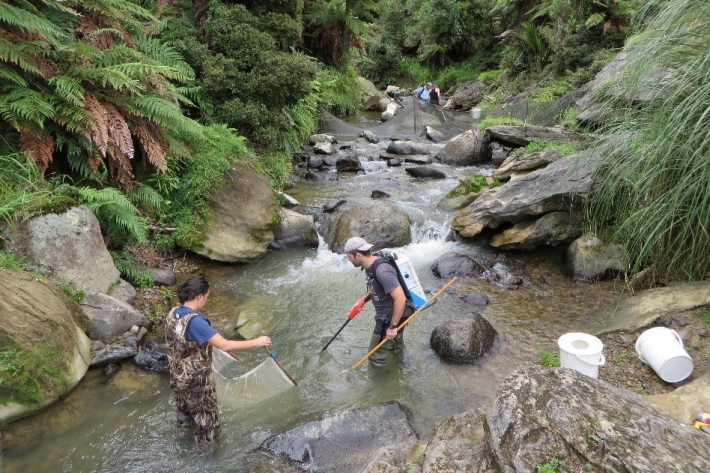
Guidelines for sampling freshwater fisheries
We have prepared a breakdown of the different guidelines that are available for sampling freshwater fisheries. The overview provides links to key documents that explain what should be considered when designing fish monitoring studies and how to implement the various sampling techniques. -
Scholarships
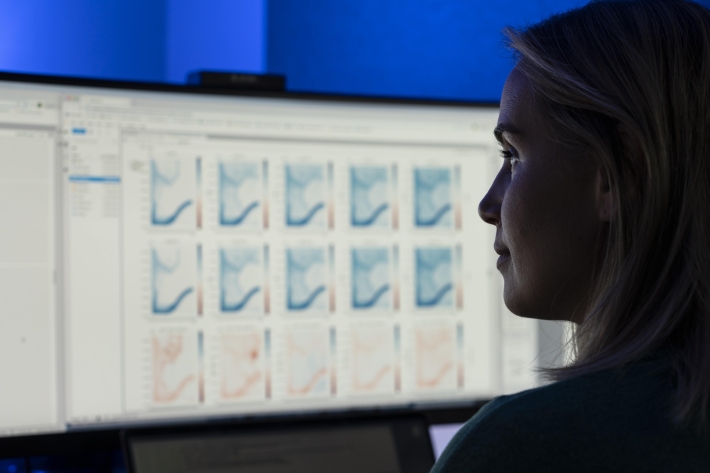
Scholarships available to both Masters and undergraduate students in the fields of fisheries science and marine biology. -
Trawl fisheries bycatch
Accurate reporting on the amount of fish and invertebrates that are caught and discarded by New Zealand’s commercial fishing industry is vital to effective management of these fisheries. -
Biological limitations
Identifying biological factors that may be limiting fish numbers requires sampling to ensure that key invertebrate prey species are not scarce and that pest fish, especially predators, are not abundant. -
Estimated bycatch
View data that show reported target catch and estimated bycatch.