-
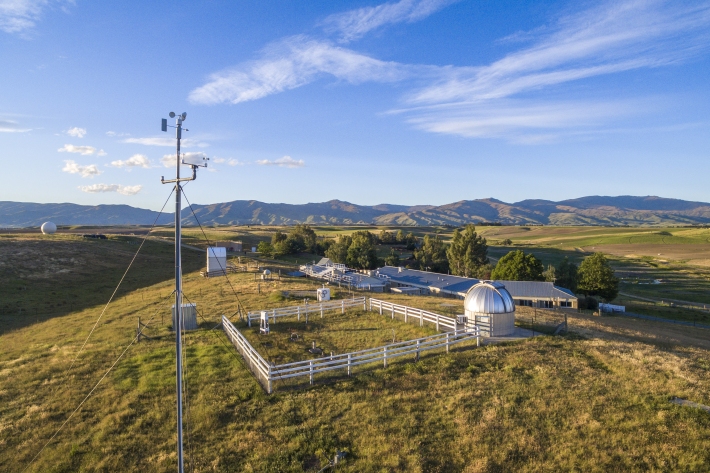
Lauder Atmospheric Research Station
FacilityNIWA's Atmospheric Research Station at Lauder in Central Otago specialises in measuring CFCs, ozone, UV levels and greenhouse gases and has a wide range of world-class instruments and research scientists. -
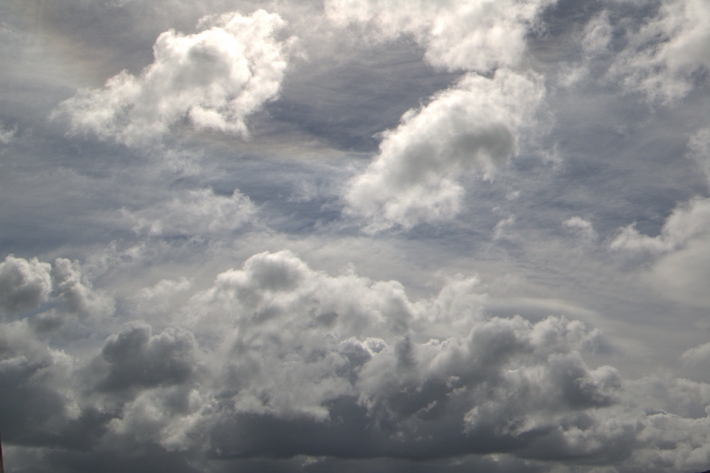
UV and Ozone
ServiceThis is the home for NIWA's UV and ozone research, including maps and graphs showing daily predictions and measurements for UV levels across New Zealand. -

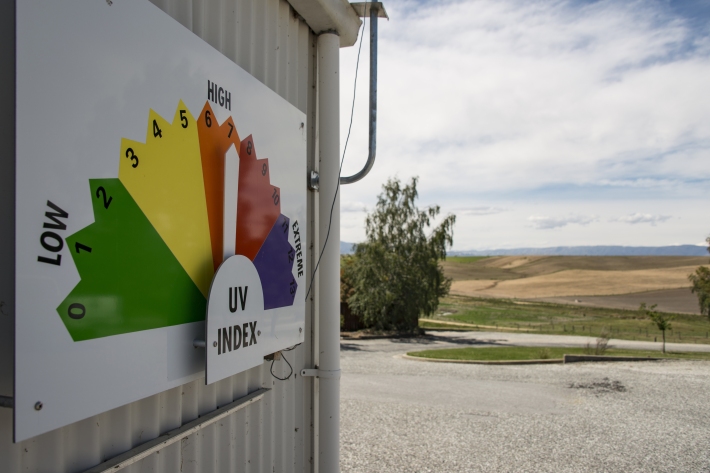
UV Index
ServicePlots of today's UV index are available in graphical form for Auckland, Wellington, Christchurch, Lauder and Invercargill. -
Early and long-lasting ozone hole, forecasts NIWA
Media release05 September 2023The Antarctic ozone hole typically reaches its greatest extent in September or October and disappears in November or December. -
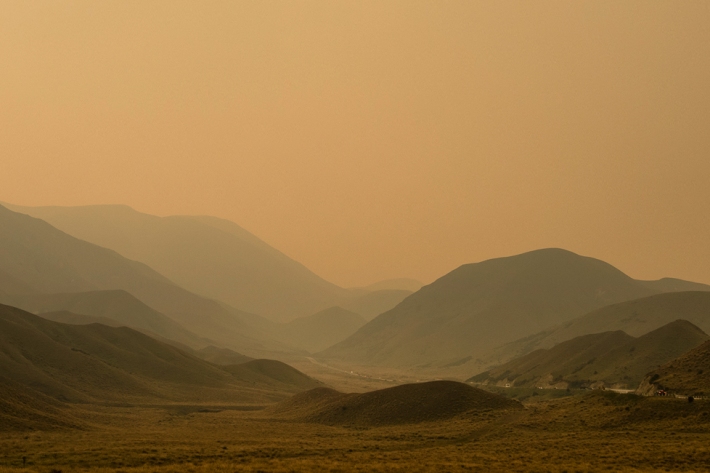
Fire in the sky
Feature story15 December 2022New research suggests large-scale wildfires may be changing the chemical makeup of our atmosphere. Jessica Rowley explains. -
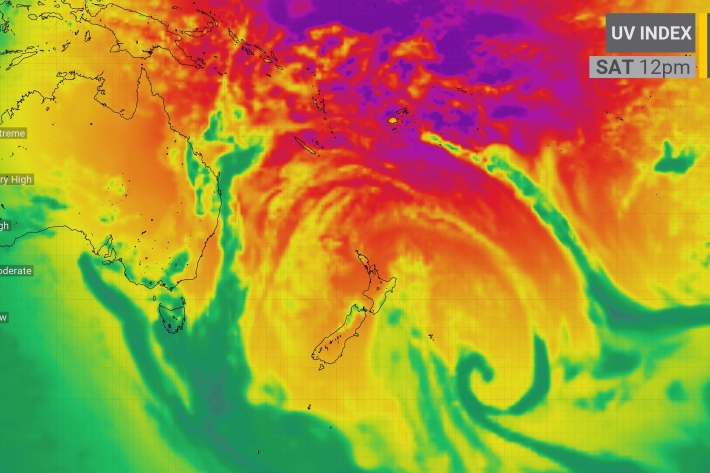
High UV prompts SunSmart warnings
Media release21 October 2022Experts are warning Kiwis to be extra cautious this summer, with ultraviolet (UV) radiation levels averaging higher compared to 2021. -
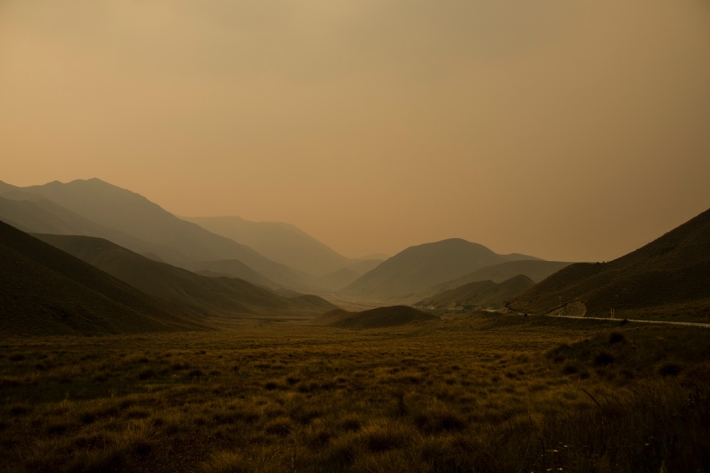
2020 Australian wildfires reveal significant hole in our understanding of ozone
Media release09 August 2022Smoke from the devastating Australian wildfires impacted the atmosphere in a way that’s never been seen before. -

Scientists reveal how landmark ban gave planet fighting chance
Media release19 August 2021Without the global CFC ban we’d already be facing the reality of a “scorched earth”, according to researchers measuring the impact of the Montreal Protocol. -

Searching southern skies
Feature story04 August 2021For a small group of unassuming buildings nestled amongst the wide-open spaces of the Maniototo, the Lauder Atmospheric Research Station punches well above its weight. -
Bushfire smoke continues trip around world
Media release23 April 2020A blob of smoke from the Australian bushfires is continuing to circle the globe almost four months after it formed. -
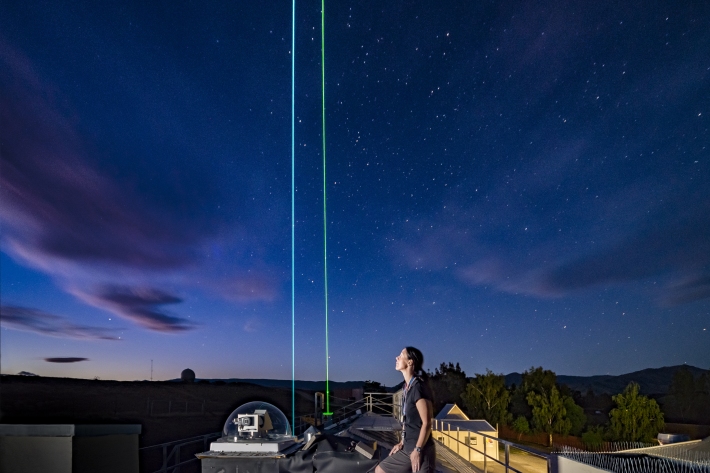
NIWA UV research reinforces success of Montreal Protocol
Media release04 September 2019On the eve of the 30th anniversary since the Montreal Protocol came into force, new research by NIWA scientists reinforces its reputation as the world’s most successful environmental treaty. -
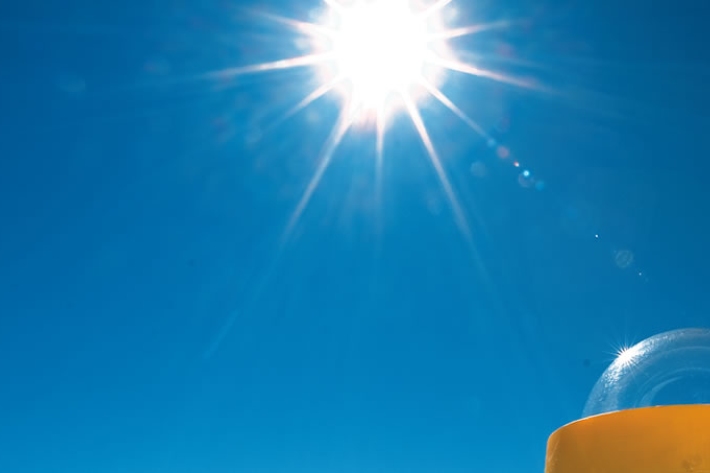
Light shines on UV radiation research
Media release29 March 2018Sun worshippers may feel the burn next week as scientists and health professionals from around the world meet in Wellington to discuss the latest research on the effects of UV radiation.