-
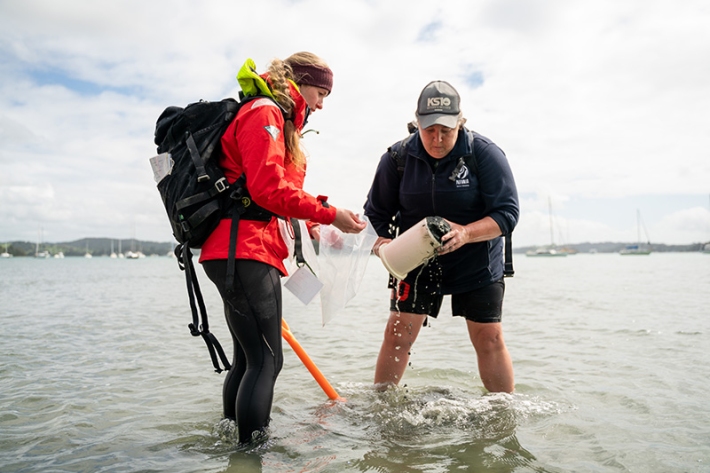
Ki uta ki tai: NIWA’s role in mountains-to-sea estuarine management
Media release09 June 2022Estuaries are coastal waterbodies where freshwater mixes with seawater. Many estuaries in Aotearoa New Zealand have been impacted by pollutants and contaminants entering via freshwater. -

Going easy on the scallops
Feature story31 May 2022From scallop beds to trawl nets, a little bit of data science can make a big difference. Melissa Bray explains. -
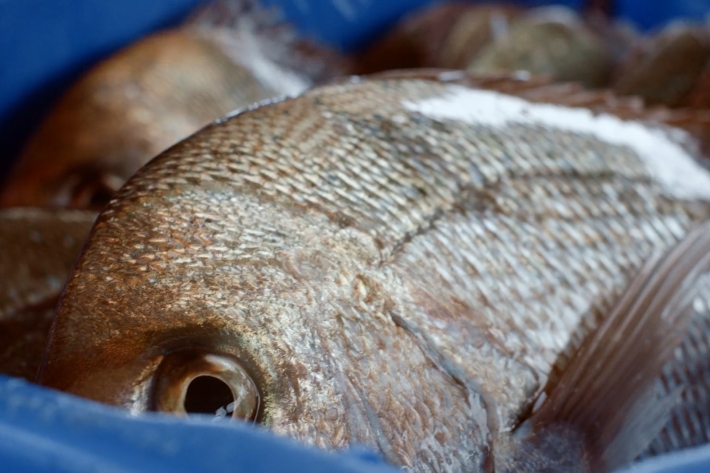
What’s in a fish’s ear?
Feature story31 May 2022The tiny ear bone of a fish holds a wealth of information. Gather enough and you get a snapshot of what’s happening beneath the waves. Stuart Mackay explains. -
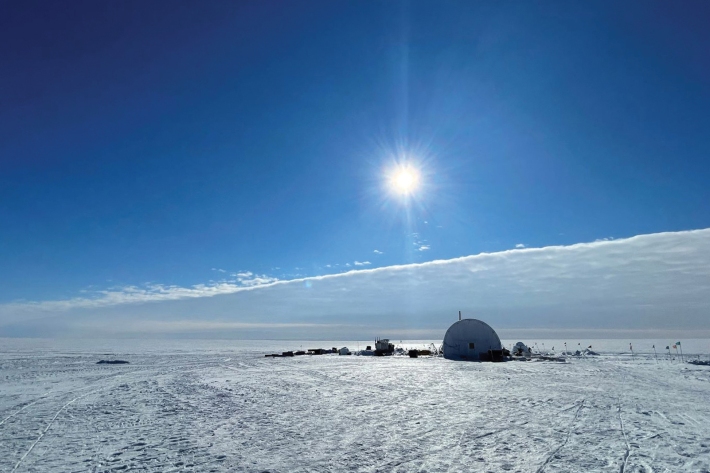
The search for answers in the ice
Feature story31 May 2022Jessica Rowley talks to three NIWA researchers trying to piece together what’s happening to the world’s largest ice shelf. -
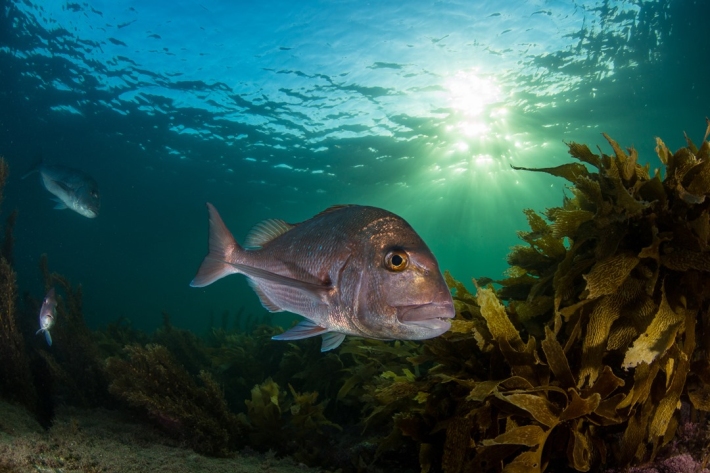
Snapped! Tag reveals fish’s 20-year history
Media release31 May 2022A fish has been caught in the same location that it was tagged, nearly 20 years ago to the day. -
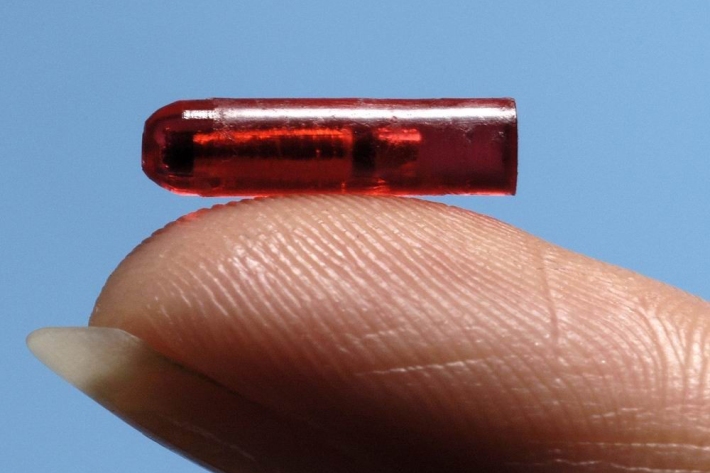
Snapped! Tag reveals fish’s 20-year history
Media release31 May 2022A fish has been caught in the same location that it was tagged, nearly 20 years ago to the day. -
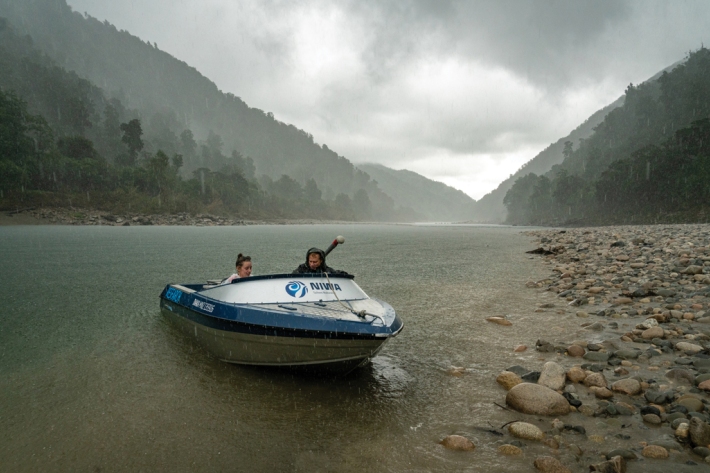
A Hard Rain’s A’Gonna Fall
Feature story31 May 2022Climate change means more intense storm systems are on their way. Science can’t stop it raining, but it can help communities prepare for the worst and plan for the future. -
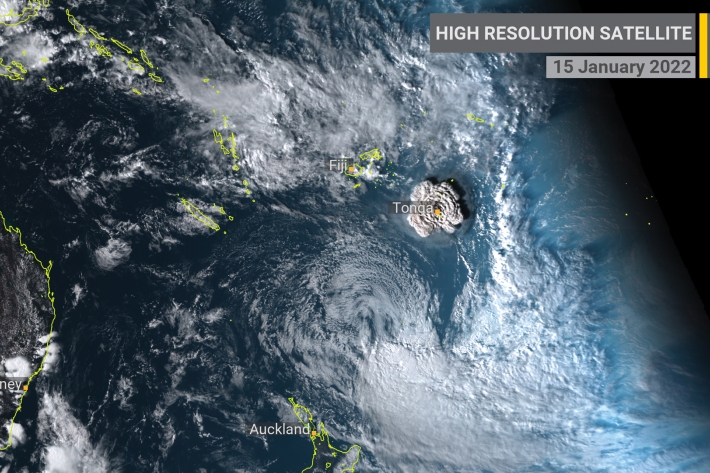
Tracking an eruption
Feature story30 May 2022Stacy Mohan looks at how the shockwaves from a remote Tongan island rippled through NIWA’s research community. -
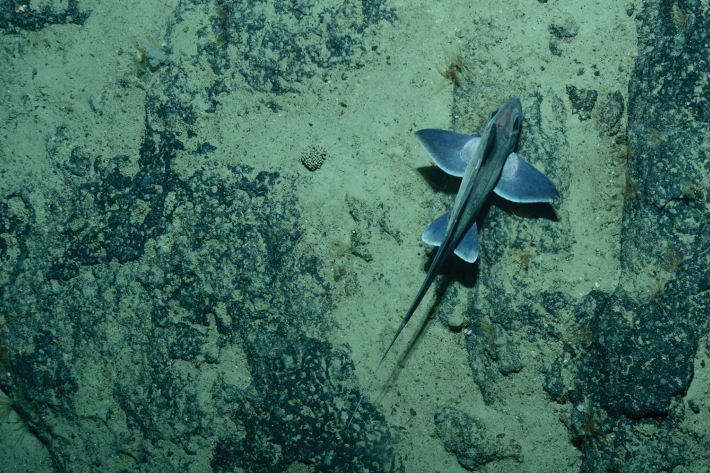
Chasing deepsea shadows
Feature story30 May 2022Mia Blyth catches up with a marine biologist hunting for ocean ghosts. -
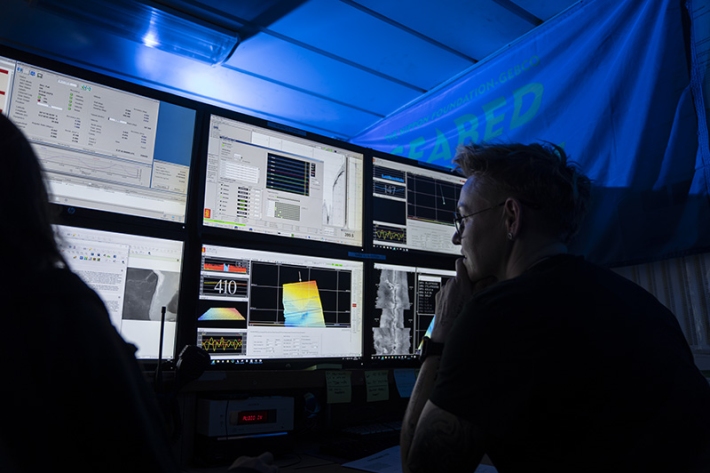
Tonga eruption discoveries defy expectations
Media release23 May 2022New findings from the record-breaking Tongan volcanic eruption are “surprising and unexpected." -
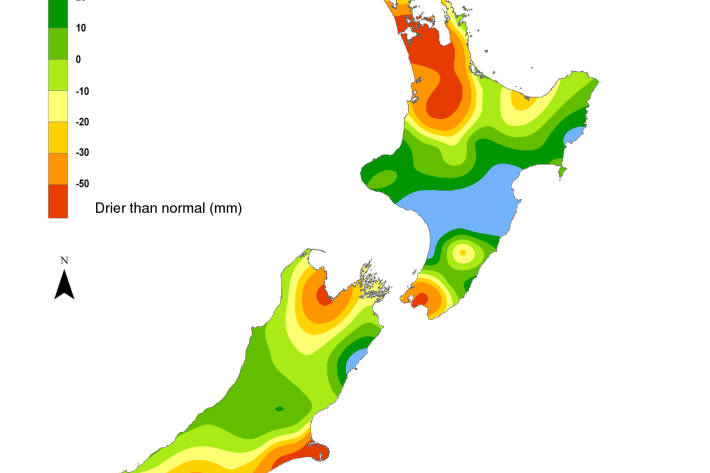
Hotspot Watch 20 May 2022
Hotspot20 May 2022A weekly update describing soil moisture patterns across the country to show where dry to extremely dry conditions are occurring or imminent. Regions experiencing significant soil moisture deficits are deemed “hotspots”. Persistent hotspot regions have the potential to develop into drought. This will be the final update of the Hotspot Watch for this season. Weekly Hotspot Watch updates will resume in the spring. -
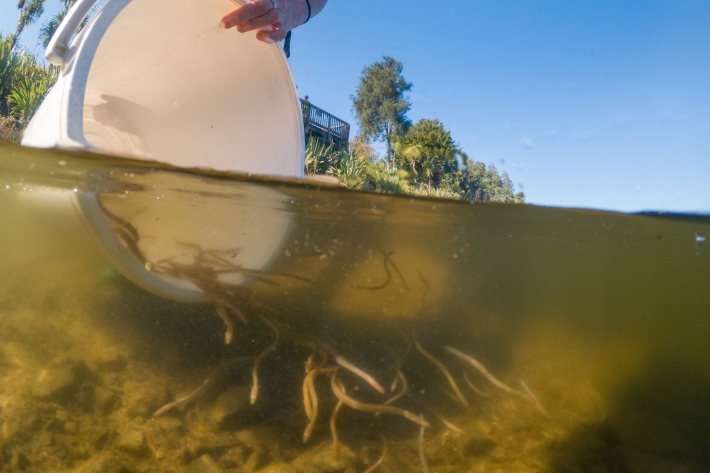
Removing barriers to ensure freshwater fish can complete their life cycle
Media release19 May 2022New Zealand has just over 50 native freshwater fish species. Of these, 85 % are endemic and 75 % are deemed to be at risk of decline or are threatened.