On 1 July 2025, NIWA merged with GNS Science to become Earth Sciences New Zealand.

Atmospheric analysis

NIWA has been using advanced scientific instruments to measure atmospheric trace gases and isotopes for over 50 years.

  • Chasing deepsea shadows

    Feature story
    Mia Blyth catches up with a marine biologist hunting for ocean ghosts.
  • Tonga eruption discoveries defy expectations

    Media release
    New findings from the record-breaking Tongan volcanic eruption are “surprising and unexpected."
  • Hotspot Watch 20 May 2022

    Hotspot
    A weekly update describing soil moisture patterns across the country to show where dry to extremely dry conditions are occurring or imminent. Regions experiencing significant soil moisture deficits are deemed “hotspots”. Persistent hotspot regions have the potential to develop into drought. This will be the final update of the Hotspot Watch for this season. Weekly Hotspot Watch updates will resume in the spring.
  • Removing barriers to ensure freshwater fish can complete their life cycle

    Media release
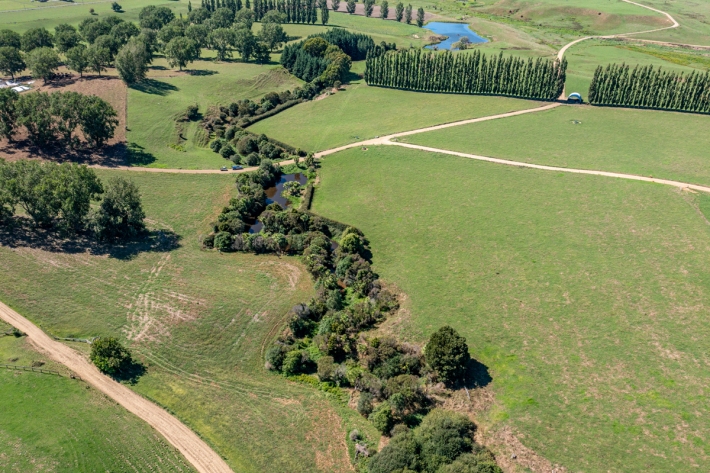
    New Zealand has just over 50 native freshwater fish species. Of these, 85 % are endemic and 75 % are deemed to be at risk of decline or are threatened.
  • Hotspot Watch 13 May 2022

    Hotspot
    A weekly update describing soil moisture patterns across the country to show where dry to extremely dry conditions are occurring or imminent.
  • Anchors cause “extensive, persistent” damage to seafloor

    Media release
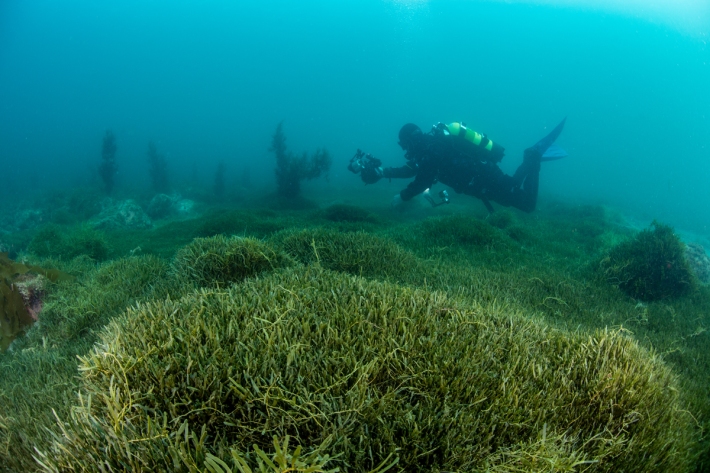
    High-resolution mapping has produced the first ever global estimates of coastal habitat damage caused by anchoring.
  • Survey provides snapshot of harbour’s health

    News article
    Greater Wellington Regional Council regularly assess sediment quality and seafloor community health in the subtidal areas of Te Awarua-o-Porirua (Porirua Harbour) and Te Whanganui-a-Tara (Wellington Harbour).
  • Guide explores the benefits of combating marine biofouling

    News article
    NIWA is contributing to an international effort to help developing countries reduce the impact of biofouling on aquatic-based industries and environments.
  • Hotspot Watch 6 May 2022

    Hotspot
    A weekly update describing soil moisture patterns across the country to show where dry to extremely dry conditions are occurring or imminent. Regions experiencing significant soil moisture deficits are deemed “hotspots”. Persistent hotspot regions have the potential to develop into drought.
  • The instruments at work - In the volcano's wake

    Our team onboard RV Tangaroa are equipped with all the tech and tools they need to explore the undersea changes caused by the devastating volcanic eruption in Tonga earlier this year.
  • Meet our staff

    Here are short profiles of some of the amazing people on board.
  • Open wide: snapper teeth secrets

    NIWA and University of Auckland masters student Georgia Third is getting up close and personal with snapper guts and teeth to understand the differences between biologically distinct snapper populations in New Zealand.