-
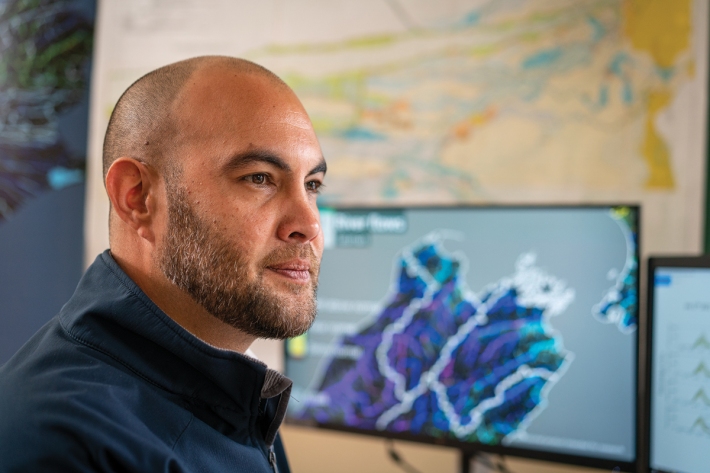
Protecting people
Feature story15 December 2022Mia Blyth talks to an environmental hazard specialist who feels a very personal connection to his work. -
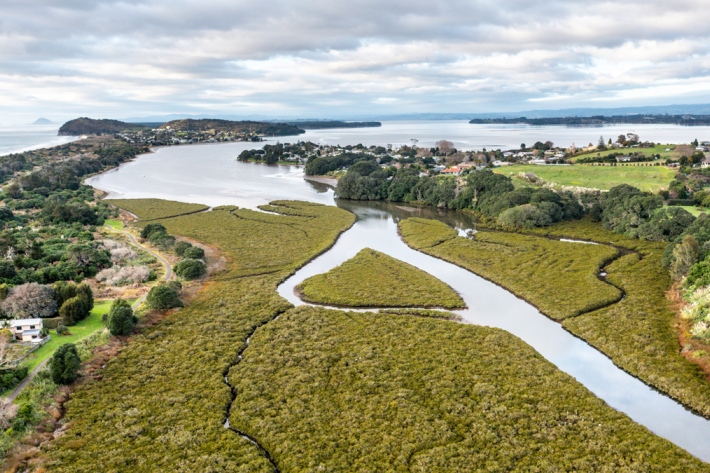
Preparing coastal communities for change
Feature story15 December 2022Our coastline is changing as sea levels rise. Lawrence Gullery looks at a five-year research programme designed to help communities with tough decisions ahead. -
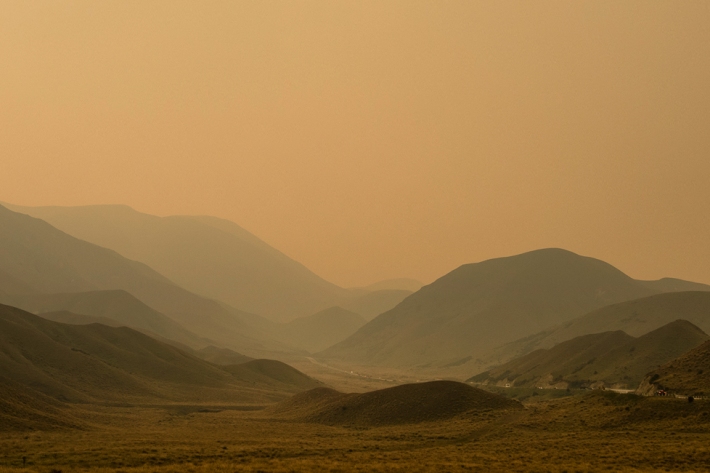
Fire in the sky
Feature story15 December 2022New research suggests large-scale wildfires may be changing the chemical makeup of our atmosphere. Jessica Rowley explains. -
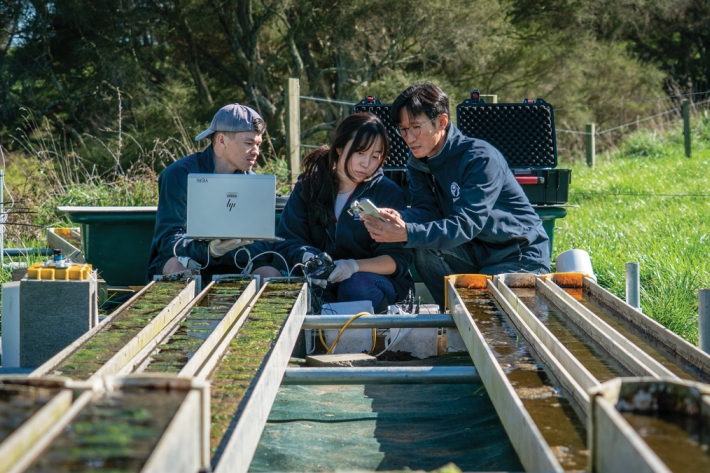
Putting algae to work
Feature story15 December 2022Can native freshwater algae help restore the mauri of local waterways? Lawrence Gullery investigates. -
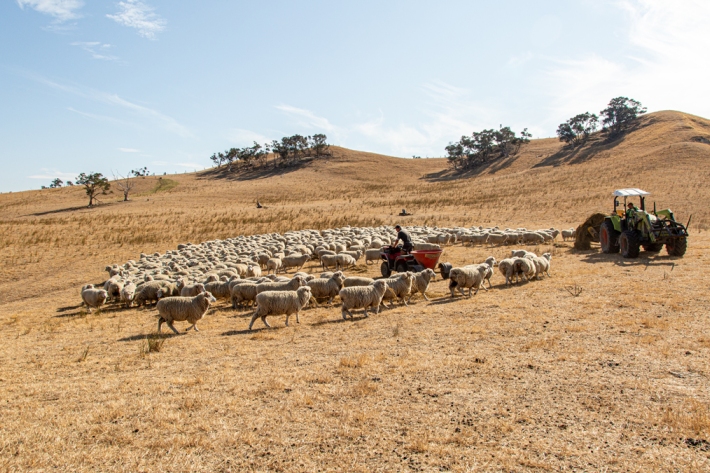
Bridging the forecasting gap
Feature story15 December 2022Improvements in data and climate science mean forecasters are able to predict patterns much further ahead and in far greater detail. Melissa Bray looks at what this may mean for farmers. -
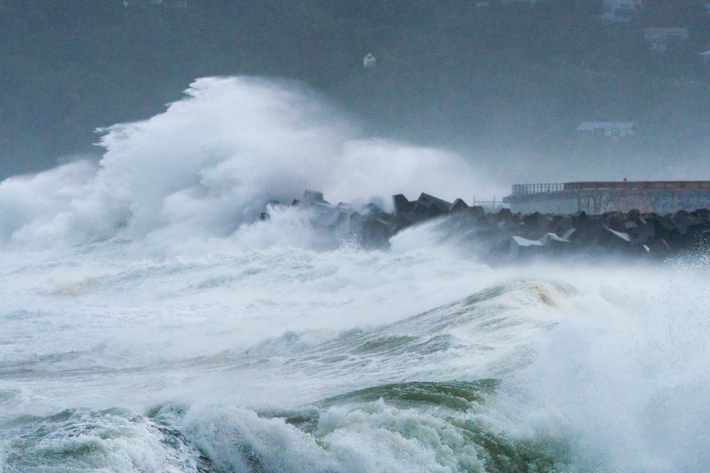
Are you ready for your climate future?
Feature story15 December 2022NIWA Chief Executive John Morgan asks whether New Zealanders are doing enough to prepare for what lies ahead. -
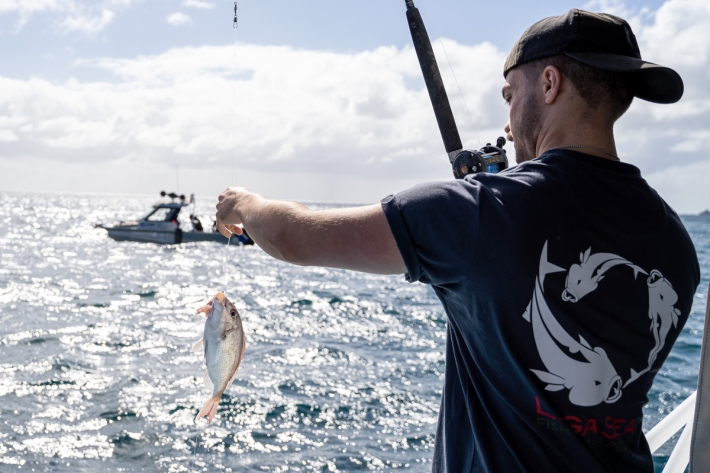
New research indicates careful fish handling helps support sustainable fisheries
News article14 December 2022Initial data suggests careful handling of released snapper could help fishers save thousands of fish annually. -
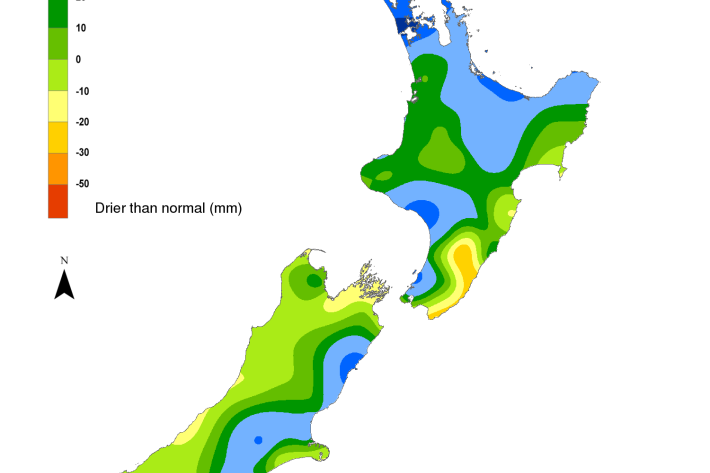
Hotspot Watch 8 December 2022
Hotspot08 December 2022A weekly update describing soil moisture patterns across the country to show where dry to extremely dry conditions are occurring or imminent. Regions experiencing significant soil moisture deficits are deemed “hotspots”. Persistent hotspot regions have the potential to develop into drought. -
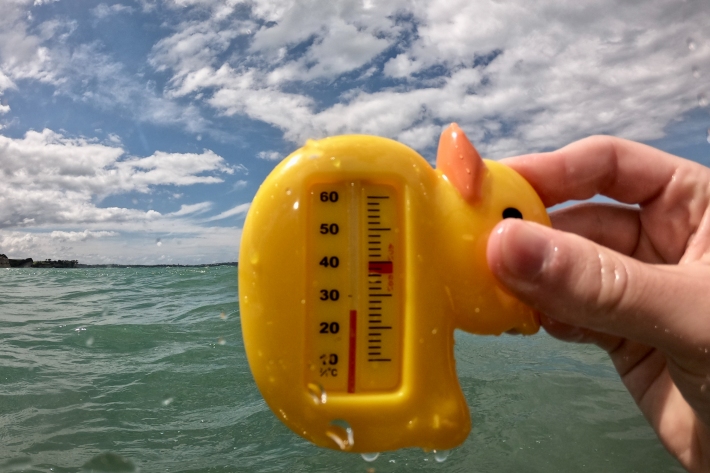
Marine heatwave developing
Media release01 December 2022Coastal waters around Aotearoa New Zealand became unusually warm last month, say NIWA. -
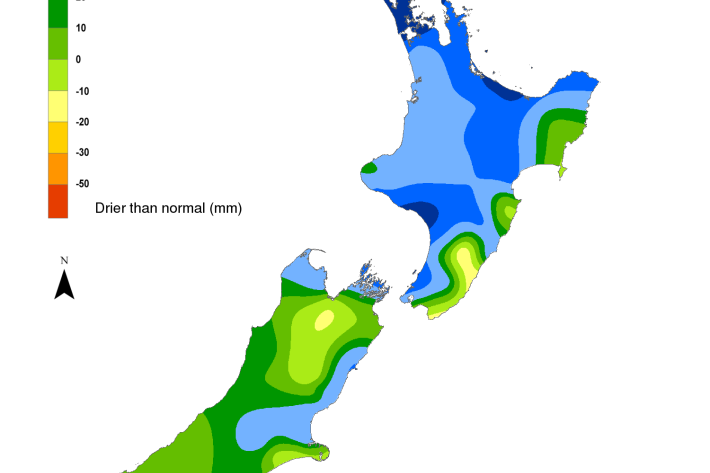
Hotspot Watch 1 December 2022
Hotspot01 December 2022A weekly update describing soil moisture patterns across the country to show where dry to extremely dry conditions are occurring or imminent. Regions experiencing significant soil moisture deficits are deemed “hotspots”. Persistent hotspot regions have the potential to develop into drought. -
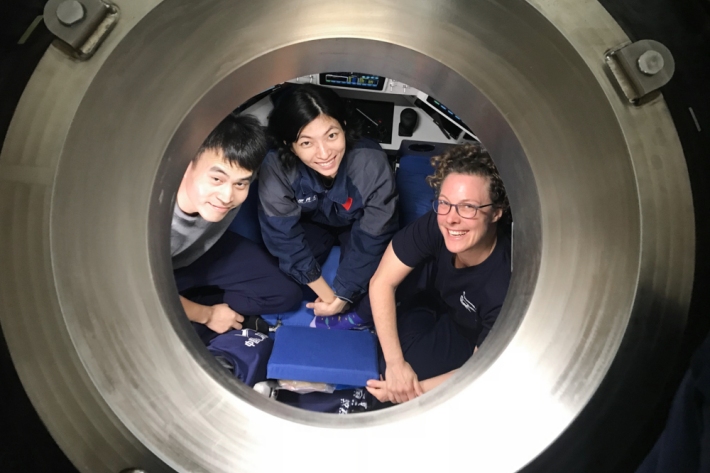
Chinese and New Zealand Scientists dive to one of the ocean's deepest regions
Media release27 November 2022Scholl Deep is the deepest known point of the Kermadec Trench, which lies to the north of New Zealand. -
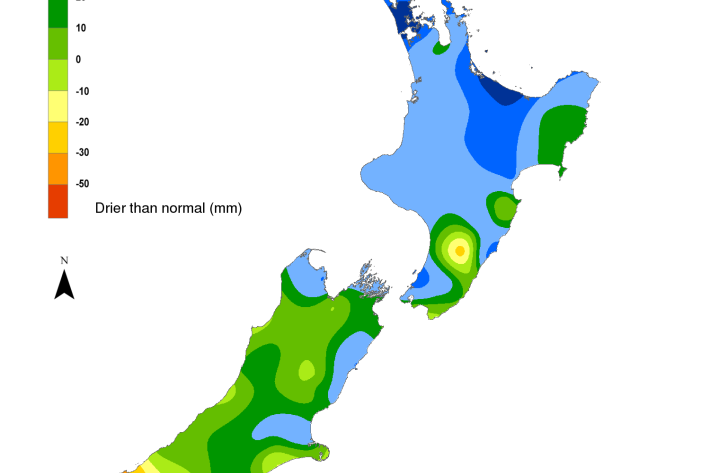
Hotspot Watch 23 November 2022
Hotspot23 November 2022A weekly update describing soil moisture patterns across the country to show where dry to extremely dry conditions are occurring or imminent. Regions experiencing significant soil moisture deficits are deemed “hotspots”. Persistent hotspot regions have the potential to develop into drought.