-
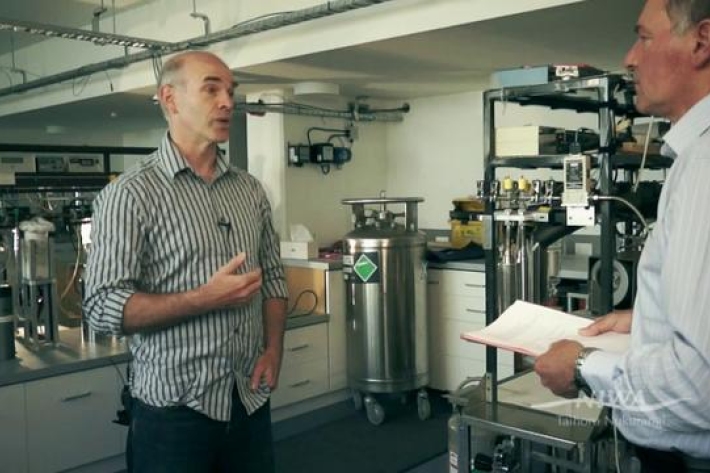
What is Ocean acidification?
NIWA oceanographer Dr Cliff Law explains the impacts of ocean acidification on organisms that use carbonates to build their shells, and on bacteria. -
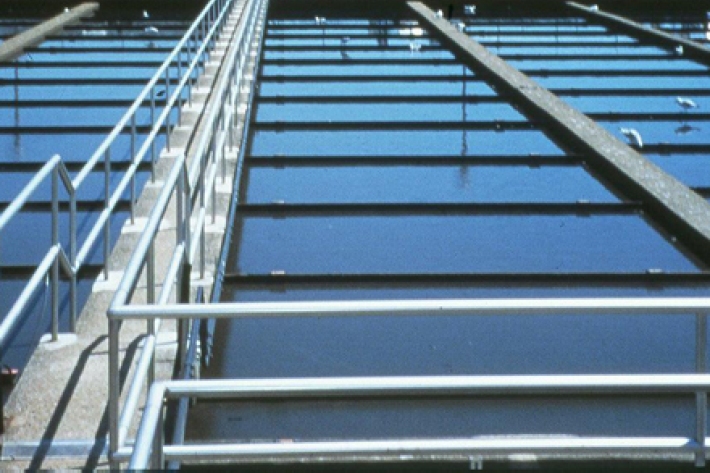
Wastewater Treatment
Wastewater treatment is the separation and extraction of solid waste from liquid waste, and the removal of nutrients and pathogens. -

Chemical contamination and aquaculture
What are the potential sources of chemical contamination from aquaculture activities? -
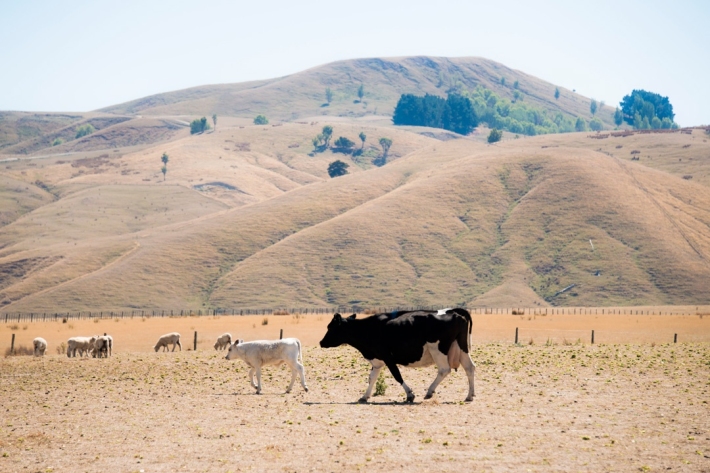
Drought
Education ResourceDefining drought and identifying its causes and impacts on humans. -
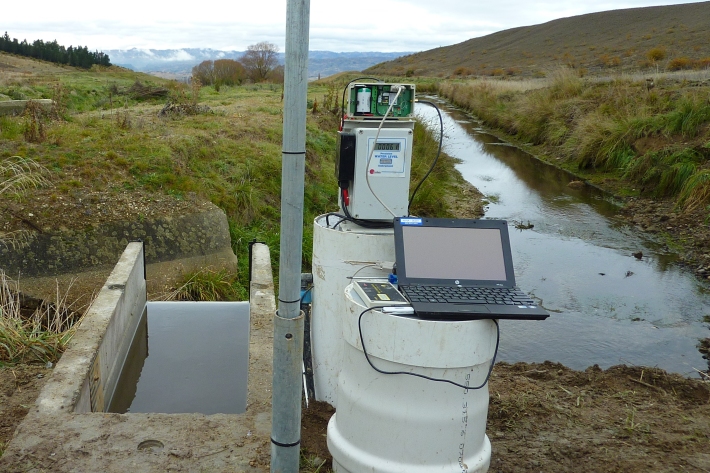
Environmental Information Services
ServiceNIWA collects and manages significant amounts of New Zealand's environmental data, particularly in the climate, freshwater, marine and atmosphere domains. -
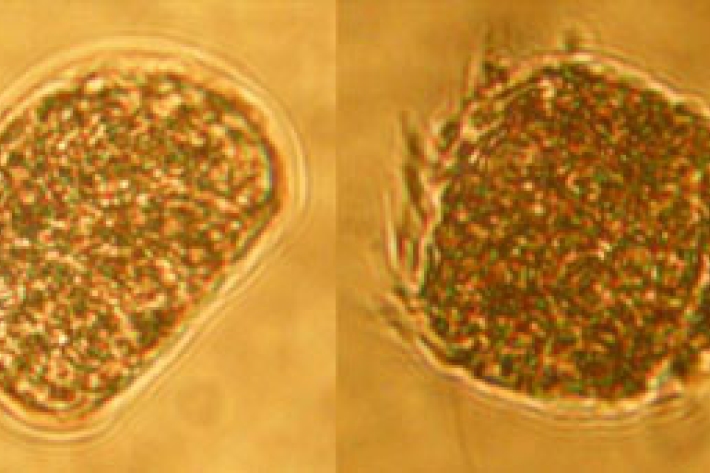
Ecotoxicology services
ServiceNIWA offers a range of standard toxicity tests for both freshwater and marine environments. -
Forestry activities
Forest plantations in Aotearoa can be found on flat, gently rolling, or very steep terrain. -
Soil Moisture Deficit (SMD)
The 3-panel Soil Moisture Deficit (SMD) map shows the historical soil moisture deficit at the date shown (left), the soil moisture deficit at the same time last year (middle) and the current soil moisture deficit (right). -
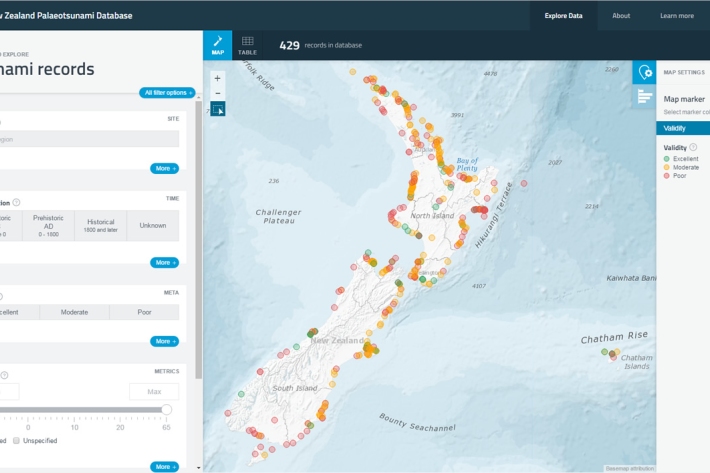
New Zealand Palaeotsunami Database
Software Tool/ResourceThe New Zealand Palaeotsunami Database (Database) brings together all known information about tsunamis that occurred prior to written records.